US Congress crypto tax overhaul: 67 million owners, simpler rules ahead
Synopsis
More than 67 million Americans own crypto, yet buying a $5 coffee with it generates two tax forms. The House Ways and Means Committee's 13 June hearing signals that Congress is finally serious about fixing that — but the fight over who benefits, and who doesn't, is only just beginning.
Key Takeaways
The House Ways and Means Committee held a crypto tax reform hearing on 13 June , examining multiple bills to simplify digital asset taxation.
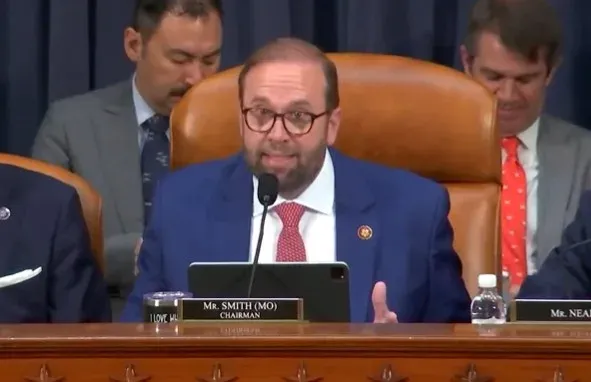
Chairman Jason Smith cited 67 million American crypto owners and flagged that a $5 crypto coffee purchase generates two tax filings .
Coinbase 's Lawrence Zlatkin and Fidelity 's Sarah Reilly urged Congress to cut compliance costs and clarify rules on mining and staking rewards.
NYU Law 's Michael Kaercher and Ranking Member Richard Neal cautioned against creating crypto-specific tax advantages not available to other asset classes.
The proposals sit within a broader Trump administration push to make the US a global hub for digital assets, with parallel stablecoin and market-structure bills also in progress.
The US House Ways and Means Committee on 13 June held a landmark hearing on a sweeping package of cryptocurrency tax reform proposals, with lawmakers and industry leaders arguing that outdated federal tax rules are stifling adoption of digital assets and threatening America's position as the global centre of financial innovation. The debate marks one of Congress's most substantive engagements yet with crypto taxation, covering everything from small payments to mining rewards.
Key Developments at the Hearing
Committee Chairman Jason Smith opened proceedings by noting that more than 67 million Americans now hold cryptocurrency — a figure that underscores how mainstream digital assets have become. Smith argued that the current tax framework imposes disproportionate compliance costs on ordinary users, citing a striking example: a single $5 cup of coffee purchased with a digital asset triggers two separate pieces of tax paperwork.
'America needs clear tax rules of the road to remain the crypto capital of the world,' Smith said, framing the overhaul as a matter of national economic competitiveness.
The bills under examination would simplify reporting requirements for small digital asset transactions, clarify the tax treatment of cryptocurrency mining and staking rewards, extend provisions currently available to traditional financial assets to crypto, and tighten anti-abuse safeguards.
What Industry Representatives Said
Lawrence Zlatkin, Vice President of Tax at Coinbase, told the committee that regulatory ambiguity is generating excessive compliance costs while delivering minimal benefit to tax authorities. 'When tax rules are clear, people comply. When they're unclear, complexity grows, costs rise, and economic activity moves elsewhere,' he said, urging Congress to reduce reporting thresholds for small transactions.
Sarah Reilly, Vice President and Senior Tax Counsel at Fidelity Investments, echoed that call, stating: 'Clear and administrable tax rules, consistent with existing tax principles, are needed to address issues that are unique to digital assets and blockchain technology.' Her testimony highlighted that the gap between existing law and the operational realities of blockchain is widening with each passing year.
Caution from Critics and Democrats
Michael Kaercher, Deputy Director of the Tax Law Center at NYU Law, urged lawmakers to prioritise parity and abuse prevention over sector-specific advantages. 'The first rule of road maintenance — don't make the roads worse,' he said, warning against carving out tax benefits unavailable to conventional investments.
Democratic Ranking Member Richard Neal acknowledged that some proposals would usefully reduce paperwork but cautioned against tilting the playing field. 'We want to be careful about putting a thumb on the scale,' Neal said, reflecting broader Democratic concern that certain provisions could incentivise a shift of capital away from traditional financial products into crypto.
Broader Policy Context
The hearing arrives as Washington accelerates efforts to build a comprehensive regulatory architecture for digital assets — spanning cryptocurrencies, stablecoins, and blockchain-based financial services. The Trump administration has repeatedly signalled support for expanding the US digital asset sector and positioning the country as the world's leading crypto hub. This comes amid parallel legislative activity on stablecoin regulation and market-structure bills moving through both chambers. Notably, this is the most coordinated congressional push on crypto taxation since the Infrastructure Investment and Jobs Act of 2021 introduced controversial broker-reporting rules that the industry has sought to roll back ever since.
What Happens Next
No vote date has been set, but the breadth of the hearing — covering reporting simplification, mining and staking clarity, and anti-abuse rules simultaneously — suggests the committee is building toward a consolidated bill. Industry bodies and tax-law groups are expected to submit formal written comments in the weeks ahead, with the legislative calendar and broader crypto-regulation momentum likely to shape how quickly any package advances.
Point of View
Not a fringe concern. But the bipartisan tension is real. Republicans want simplification that accelerates adoption; Democrats want guardrails that prevent crypto from becoming a tax-advantaged vehicle for capital flight from regulated markets. The coffee-cup example is rhetorically effective, but the harder question is whether simplification at the small-transaction end creates arbitrage opportunities at the large-transaction end. The absence of a Treasury or IRS witness at the hearing is also notable — enforcement perspectives were conspicuously absent from a room full of industry advocates.
NationPress
20 Sept 2026
Frequently Asked Questions
What crypto tax changes is the US Congress considering?
Congress is examining a package of bills that would simplify tax reporting for small digital asset transactions, clarify how mining and staking rewards are taxed, and extend some provisions available to traditional investments to cryptocurrencies. The proposals also include tighter anti-abuse rules to prevent potential loopholes.
How many Americans own cryptocurrency, according to the hearing?
Committee Chairman Jason Smith cited figures showing more than 67 million Americans currently hold cryptocurrency. He used this number to argue that outdated tax rules are placing an unfair compliance burden on a large and growing segment of the population.
Why do critics oppose some of the crypto tax proposals?
Critics, including NYU Law's Michael Kaercher and Democratic Ranking Member Richard Neal, warn that certain proposals could create tax advantages for crypto that are unavailable to traditional investments. They argue this could distort capital allocation and open the door to abuse, and they are calling for parity-based reform rather than sector-specific carve-outs.
What did Coinbase and Fidelity say at the hearing?
Coinbase Vice President of Tax Lawrence Zlatkin argued that unclear rules drive up compliance costs and push economic activity offshore, urging Congress to lower reporting thresholds for small transactions. Fidelity's Sarah Reilly called for legislation that addresses gaps unique to digital assets and blockchain, consistent with existing tax principles.
How does this hearing fit into broader US crypto regulation efforts?
The hearing is part of a wider Washington push to regulate digital assets comprehensively, including stablecoins and blockchain-based financial services. The Trump administration has publicly backed expanding the US digital asset sector, and parallel market-structure bills are advancing in Congress alongside this tax reform effort.