US, EU reject UN pandemic declaration at General Assembly meeting
Synopsis
The US and EU have both rejected a UN declaration meant to fortify global pandemic defences — but for starkly different reasons. Washington objected to language on equity and reproductive health, while Brussels drew red lines on intellectual property and technology transfers. The split lays bare how fractured global health governance remains, nearly five years after COVID-19.
Key Takeaways
The US and EU rejected a UN pandemic preparedness declaration at the General Assembly High-Level Meeting in New York on 26 September 2025 .
Italy also explicitly rejected the text; India and Germany raised concerns but did not oppose it outright.
The US objected to language on equity, gender equality, and reproductive health; the EU flagged intellectual property, technology transfer, and financing provisions.
The declaration is non-binding and does not legally compel governments on health emergency responses.
The document is expected to be sent to the UN General Assembly for further consideration despite the rejections.
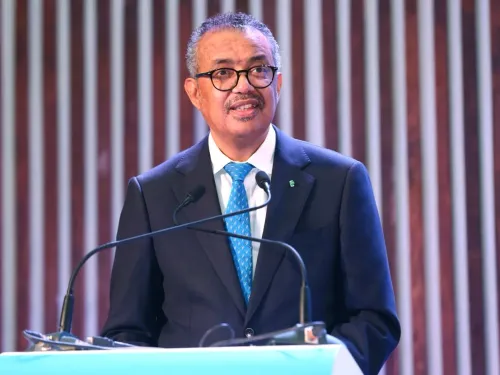
WHO chief Tedros Adhanom Ghebreyesus warned that COVID-19 exposed critical fault lines in global health security that remain unaddressed.
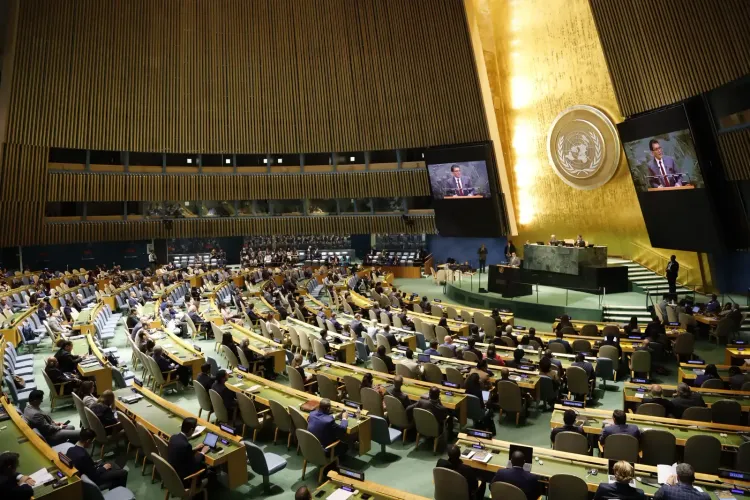
The United States and the European Union have rejected a United Nations declaration aimed at strengthening global cooperation against future pandemics, with Italy also explicitly opposing the text. The declaration was taken up on Friday, 26 September 2025, during the second UN General Assembly High-Level Meeting on Pandemic Prevention, Preparedness and Response in New York. Countries including India and Germany raised reservations but stopped short of a full rejection, according to media reports.
Why the US Walked Away
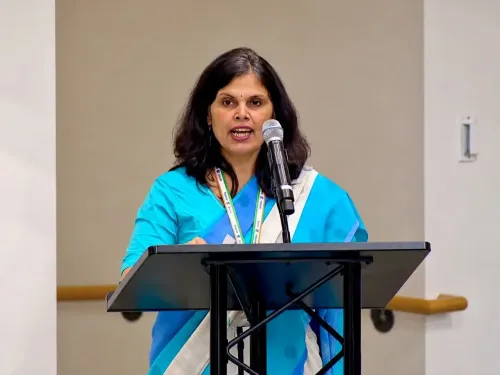
Erica Schwartz, director of the US Centers for Disease Control and Prevention, stated that the text still contained 'divisive ideologies that lack definitional consensus' despite revisions made during negotiations. 'The United States is not in a position to support this text in full,' Schwartz said, according to reports.
The Trump administration had pushed for changes to earlier drafts that referenced equity, solidarity, sexual and reproductive health services, gender equality, vaccine access and international financing. Washington reportedly sought the removal of some of that language before the final version was tabled.
EU's Separate Objections
The European Union raised a distinct set of concerns centred on intellectual property protections, technology transfers and proposed financial commitments for pandemic preparedness. 'Technology transfer must be voluntary and on mutually agreed terms,' the EU said in its official statement.
The bloc also insisted that references to the World Trade Organisation's intellectual property agreement and the Doha Declaration must fully reflect the original texts. While the EU acknowledged the declaration contained useful provisions — covering national preparedness plans, disease surveillance, early detection, vaccination, health workers and the One Health approach — it said the document fell short of expectations and crossed 'explicit red lines'. The EU also objected to outdated estimates of global financing gaps and the absence of a worldwide mechanism to track pandemic preparedness spending.
India and Germany Voice Concerns
India and Germany voiced reservations about parts of the declaration but did not reject it outright, according to reports. The specific objections raised by India were not detailed in available accounts. The document is expected to be forwarded to the UN General Assembly for further consideration.
What the Declaration Sought
The non-binding declaration — which would not legally dictate how governments respond to health emergencies — called for stronger laboratories, early-warning systems and emergency coordination. It also sought better access to vaccines, medicines and diagnostics, and encouraged geographically diverse manufacturing so that essential medical products could become available within the first 100 days of a pandemic threat.
World Health Organisation Director-General Tedros Adhanom Ghebreyesus warned that more action and investment were urgently needed. 'The COVID-19 pandemic exposed and exacerbated the fault lines of global health security, and taught the world many painful lessons,' he said. This comes amid ongoing negotiations for a separate, legally binding pandemic treaty under the WHO — talks that have themselves stalled repeatedly over similar fault lines around IP and equity.
What Happens Next
With the world's two largest Western blocs declining to endorse the text, the declaration's path through the General Assembly faces significant uncertainty. The divisions between the Global North and Global South on pandemic financing and technology sharing, first exposed during COVID-19, remain unresolved — and arguably more entrenched heading into any future health emergency.
Point of View
While the EU's IP and financing red lines show that even sympathetic governments will not subordinate commercial interests to collective health security. India's non-committal position is quietly significant: New Delhi has historically championed the Doha Declaration on IP flexibilities, and its failure to endorse the declaration hints at deeper dissatisfaction that went unvoiced. Five years after COVID-19 paralysed the world, the fundamental architecture of global pandemic governance remains unbuilt.
NationPress
27 Sept 2026
Frequently Asked Questions
Why did the US reject the UN pandemic declaration?
The US rejected the declaration because it said the text still contained 'divisive ideologies that lack definitional consensus' despite revisions during negotiations. The Trump administration had sought to remove language on equity, gender equality, sexual and reproductive health, vaccine access and international financing from earlier drafts.
Why did the EU reject the UN pandemic declaration?
The EU objected primarily to provisions on intellectual property protections, technology transfers and proposed financial commitments for pandemic preparedness. It stated that technology transfer must be voluntary and on mutually agreed terms, and that references to the WTO IP agreement and the Doha Declaration must fully reflect original texts.
Is the UN pandemic declaration legally binding?
No, the declaration is not legally binding and would not dictate how governments must respond to a health emergency. It is a political commitment document that is now expected to be forwarded to the UN General Assembly for further consideration.
What did India's position on the declaration?
India voiced reservations about parts of the declaration but did not reject it outright, according to reports. The specific nature of India's objections was not detailed in available accounts.
What did the UN pandemic declaration aim to achieve?
The declaration called for stronger laboratories, early-warning systems and emergency coordination, better access to vaccines, medicines and diagnostics, and geographically diverse manufacturing capable of delivering essential products within the first 100 days of a pandemic threat. It also promoted the One Health approach linking human, animal and environmental health.