India pushes for fair PABS system at WHO Pandemic Agreement talks in New York
Synopsis
At the UN's high-level pandemic meeting in New York, India's Health Secretary put equity at the centre of global health negotiations — demanding that countries which share pathogens must receive vaccines and therapies in return. With WHO's PABS talks stalled, and India's COVID-era vaccine diplomacy (300 million doses to 100 countries) as leverage, New Delhi is positioning itself as the Global South's lead voice on pandemic reform.
Key Takeaways
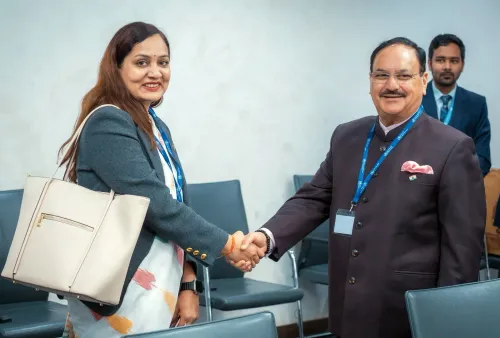
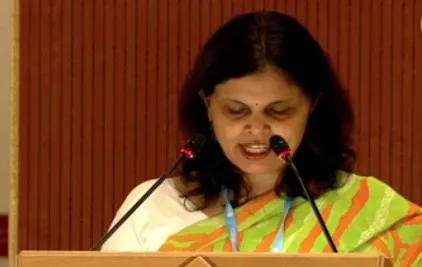
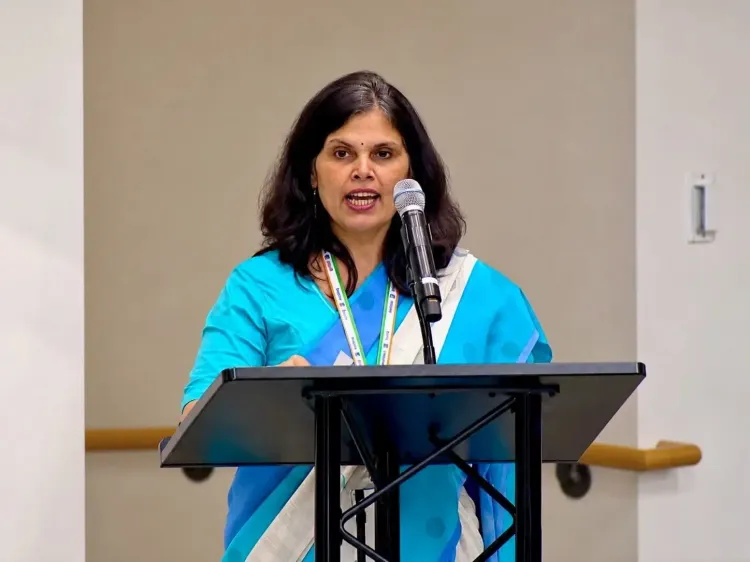
Health Secretary Punya Salila Srivastava represented India at a UN high-level meeting on pandemic prevention in New York on 26 September 2026 .
India called for a fair Pathogen Access and Benefit Sharing (PABS) system ensuring countries that supply pathogens receive timely access to vaccines, diagnostics, and therapeutics.
India supplied 300 million vaccine doses to 100 countries and 2 UN entities during COVID-19, and aided over 150 countries medically.
Srivastava urged recognition of digital public infrastructure as a global public good, citing its role in India's pandemic response.
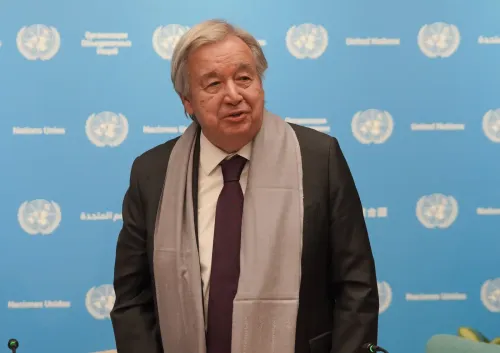
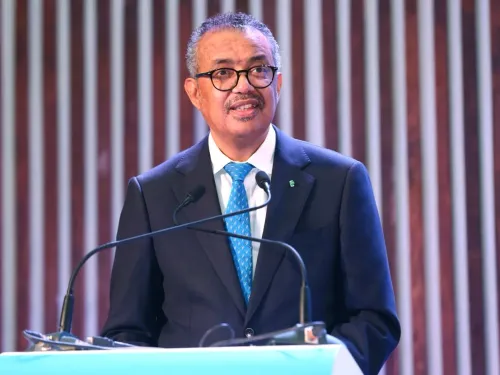
WHO Director-General Dr Tedros Adhanom Ghebreyesus warned that delays in concluding PABS negotiations could hamper future pandemic responses.
Health Secretary Punya Salila Srivastava on 26 September 2026 called for a fair and equitable Pathogen Access and Benefit Sharing (PABS) system under the WHO Pandemic Agreement, speaking at a UN high-level meeting on pandemic prevention and response in New York. India's position, delivered through an official statement, underscores a longstanding demand from the Global South: nations that contribute pathogens and biological resources must receive timely returns in the form of vaccines, diagnostics, therapeutics, and technologies.
India's Core Demand: Reciprocity in Global Health
Srivastava made clear that the current framework is insufficient if countries supplying biological samples do not receive proportional access to the countermeasures those samples help develop. She stressed that countries contributing pathogens and biological resources must receive timely access to vaccines, diagnostics, therapeutics, technologies and other benefits — a principle of reciprocity that India has consistently advocated in multilateral health forums.
She also reaffirmed India's commitment to strengthening global health security through international cooperation, calling for the lessons of the COVID-19 pandemic to be translated into sustained investment, institutional capacity, and resilient health systems. Critically, she argued that such efforts must be anchored in national health systems and domestic financing, with international assistance playing a complementary rather than substitutive role.
India's Pandemic Preparedness Architecture
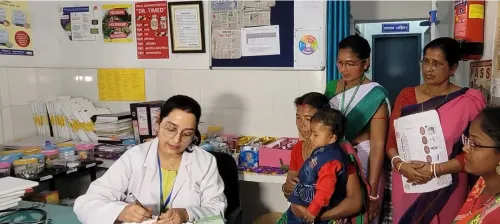
Srivastava outlined India's whole-of-government approach to pandemic prevention, covering a wide spectrum of potential health emergencies. According to the Health Ministry, the country has expanded its laboratory networks, emergency coordination mechanisms, health workforce, medical stockpiles, and clinical care capacity to ensure readiness for future health crises.
Drawing on India's experience during the COVID-19 pandemic, she called for digital public infrastructure to be formally recognised as a global public good. She highlighted the role of digital tools in surveillance, vaccination drives, risk communication, supply chain management, and continuity of health services — areas where India's homegrown digital stack proved pivotal during the pandemic.
India's COVID-19 Vaccine Diplomacy on Record
India supplied 300 million vaccine doses to around 100 countries and two UN entities during the COVID-19 pandemic, and extended medical assistance to over 150 countries. Srivastava cited this record as evidence of India's commitment to the principle of 'One Earth, One Health' and its solidarity with the Global South — lending moral authority to its demand for equitable PABS provisions.
WHO Chief Warns Against PABS Delays
WHO Director-General Dr Tedros Adhanom Ghebreyesus acknowledged the progress made in strengthening the global health security architecture since COVID-19, including advances on the WHO Pandemic Agreement and amendments to the International Health Regulations (IHR). He stressed, however, the urgency of concluding negotiations on the PABS system, warning that further delays could undermine the world's ability to mount an effective response to future pandemics.
This comes amid broader geopolitical friction over intellectual property and technology transfer in health, with developing nations arguing that existing frameworks disproportionately benefit pharmaceutical manufacturers in high-income countries. India's push at the UN meeting reflects a wider coalition of voices from the Global South demanding structural reform.
What Comes Next
With WHO Pandemic Agreement negotiations ongoing, the PABS mechanism remains one of the most contested elements. A resolution acceptable to both pathogen-supplying nations and vaccine-manufacturing countries will be essential before the agreement can be operationalised. India's intervention signals that New Delhi intends to remain a vocal and active participant in shaping the final framework.
Point of View
New Delhi is converting vaccine generosity into negotiating capital at the PABS table. The underlying tension — between pathogen-contributing developing nations and the pharmaceutical supply chains concentrated in the Global North — has never been resolved, and the WHO Pandemic Agreement risks becoming another framework that papers over that fault line. India's demand for reciprocity is legitimate, but the harder question is enforcement: what mechanism compels vaccine manufacturers to share benefits when a new pathogen emerges and commercial incentives run in the opposite direction? That question remains unanswered in the current draft.
NationPress
26 Sept 2026
Frequently Asked Questions
What is the Pathogen Access and Benefit Sharing (PABS) system?
The PABS system is a proposed mechanism under the WHO Pandemic Agreement that would ensure countries sharing pathogen samples and biological resources receive fair and timely access to vaccines, diagnostics, and therapeutics developed using those resources. It is one of the most contested elements in ongoing WHO negotiations, with developing nations arguing existing arrangements favour high-income pharmaceutical manufacturers.
Why is India pushing for a fair PABS system?
India, like many Global South nations, argues that countries contributing biological samples must receive proportional benefits — including vaccines and medical technologies — when those samples are used to develop pandemic countermeasures. India's Health Secretary also cited India's own COVID-19 vaccine diplomacy, having supplied 300 million doses to around 100 countries, as evidence of its commitment to equitable global health.
What did WHO Director-General Dr Tedros say about PABS?
WHO Director-General Dr Tedros Adhanom Ghebreyesus acknowledged progress on the WHO Pandemic Agreement and amendments to the International Health Regulations since COVID-19, but stressed the urgency of concluding PABS negotiations. He warned that delays could compromise the world's ability to respond effectively to future pandemics.
What is India's role in global pandemic preparedness?
India has expanded its laboratory networks, emergency coordination systems, health workforce, and medical stockpile capacity. During COVID-19, India supplied 300 million vaccine doses to around 100 countries and two UN entities, and provided medical assistance to over 150 countries. Health Secretary Srivastava also called for India's digital public infrastructure model to be recognised as a global public good.
Where and when did this meeting take place?
The UN high-level meeting on pandemic prevention and response took place in New York and India's statement was delivered by Health Secretary Punya Salila Srivastava on 26 September 2026.