Did the US Really Eliminate the 25 Percent Tariff on Indian Imports?
Synopsis
In a significant move, President Trump has lifted the 25 percent tariff on Indian imports. This decision is rooted in India's commitment to halt Russian oil purchases and strengthen ties with the US. This article explores the implications of this pivotal change in trade policy.
Key Takeaways
Trump lifts a 25 percent tariff on Indian imports.
India has pledged to halt purchases of Russian oil.
The tariff removal signifies stronger US-India economic ties.
Monitoring of future oil purchases from Russia is mandated.
Executive order aims to enhance security cooperation.
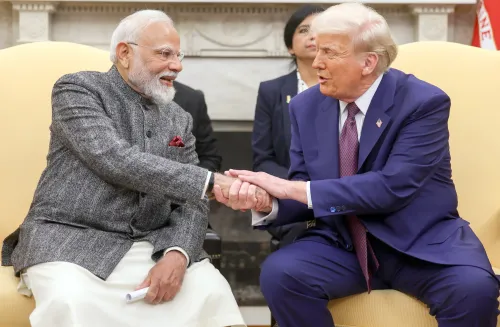
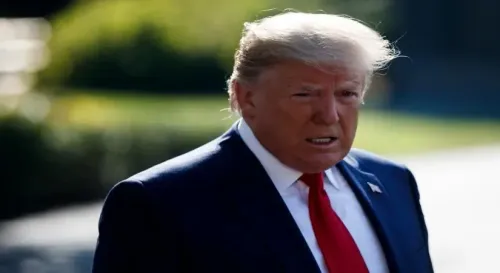
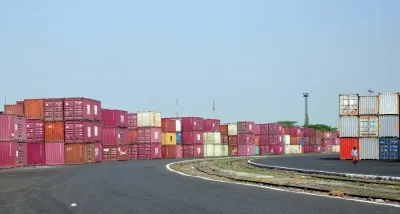
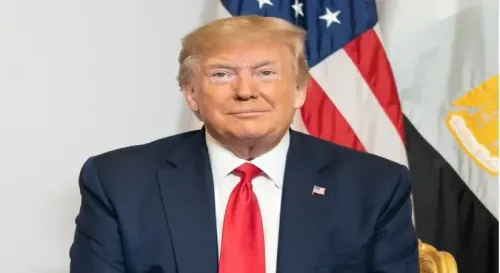
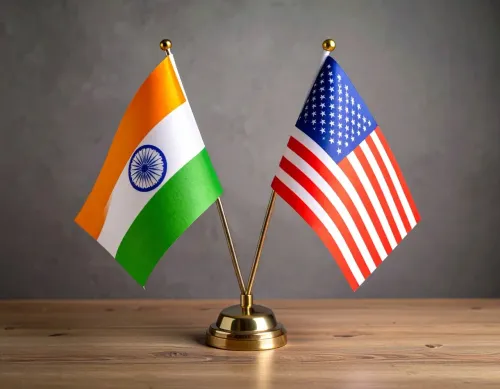
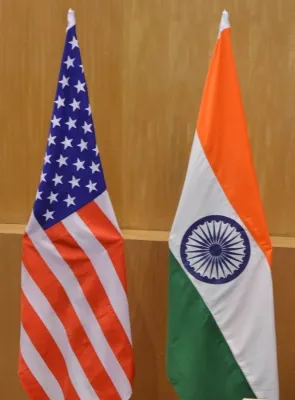
Washington, Feb 7 (NationPress) US President Donald Trump has officially removed the 25 per cent tariff on imports from India, attributing this decision to India's pledges to cease purchasing Russian oil and enhance its security and economic collaborations with the United States.
Trump enacted an executive order that rescinds the additional duty that was initially implemented in August 2025 as part of a national emergency linked to Russia's actions in Ukraine.
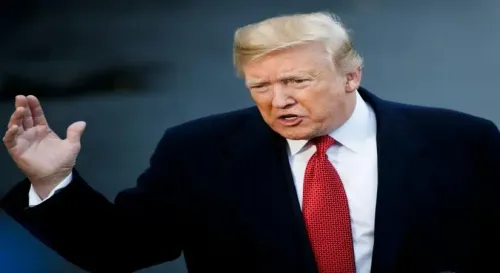
“I have assessed that India has made considerable progress in addressing the national emergency outlined in Executive Order 14066 and has sufficiently aligned itself with the United States on matters of national security, foreign policy, and economic strategies,” Trump stated in the order.
He noted that India has committed to ending both direct and indirect imports of Russian oil. The order also highlighted that India has indicated it will purchase energy products from the US and has consented to a framework for expanding defense cooperation with Washington over the forthcoming decade.
In light of these advancements, Trump expressed his decision to abolish the additional 25 per cent duty on Indian products. “In my opinion, this adjustment is essential and suitable to address the national emergency declared in Executive Order 14066,” he stated.
The tariff will be eliminated for Indian goods that are consumed or withdrawn from bonded warehouses on or after 12:01 a.m. Eastern Time on February 7, 2026.
This order cancels several specific tariff categories in the US Harmonized Tariff Schedule and instructs that refunds for previously collected duties be processed according to existing US Customs and Border Protection guidelines.
This decision reverses a penalty that was enacted last year after the administration determined that India was importing Russian oil, despite US attempts to limit Moscow's energy income following the invasion of Ukraine.
Trump has authorized the Secretary of State, in coordination with the Treasury, Commerce, Homeland Security, and the US Trade Representative, to implement this order. The Department of Homeland Security may also make technical adjustments to the tariff schedule through a notification in the Federal Register.
The administration has preserved the option to reintroduce the tariff. The order directs the Commerce Department to keep an eye on whether India resumes its purchase of Russian oil. If such a situation arises, senior officials are instructed to advise on whether the 25 per cent duty should be reinstated.
Earlier this week, Trump commented on social media about the tariff, noting it was imposed due to concerns regarding Russian oil imports and indicated that it could be lifted if India aligned more closely with US energy and security objectives. The White House's decision formalizes this stance through the executive order signed on Friday.
The order clarifies that it does not establish any enforceable legal rights and will be executed in accordance with existing laws and available funding.
This action reflects Washington's broader strategy to exert pressure on Russia while rewarding partners that align with US sanctions and long-term security ambitions following the ongoing conflict in Ukraine.
Point of View
I view this tariff removal as a strategic maneuver towards enhancing US-India relations. It reflects a mutual understanding of the geopolitical landscape and emphasizes collaboration in energy and defense sectors. This move could foster stronger economic ties, benefiting both nations in the long term.
NationPress
25 Sept 2026
Frequently Asked Questions
What was the reason for lifting the tariff?
The tariff was lifted due to India's commitment to stop purchasing Russian oil and to enhance security and economic cooperation with the US.
When will the tariff removal take effect?
The tariff will be removed for Indian goods entered for consumption or withdrawn from bonded warehouses on or after 12:01 a.m. Eastern Time on February 7, 2026.
What steps did India take to influence this decision?
India committed to ending direct and indirect imports of Russian oil and agreed to expand defense cooperation with the US over the next decade.
Can the tariff be reimposed in the future?
Yes, the order maintains the option to reintroduce the tariff if India resumes buying Russian oil.
What does this mean for US-India relations?
This development signifies a strengthening of ties between the US and India, particularly in terms of security and economic collaboration.