US probes Chinese role in tax-incentivised manufacturing projects

Synopsis
The Trump administration is investigating whether Chinese engineers and CCP-linked personnel are operating inside US manufacturing facilities that claim federal tax incentives — a direct challenge to the 45X credit’s intent. Treasury Secretary Bessent’s 'very robust' oversight claim before Congress signals enforcement is now as much a battleground as legislation in the US-China decoupling push.
Key Takeaways
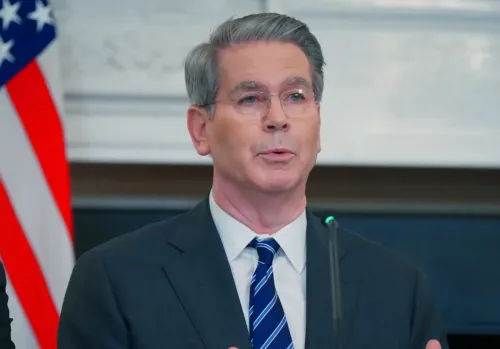
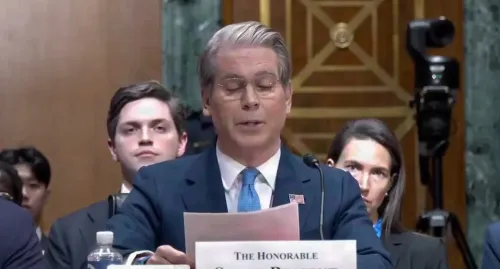
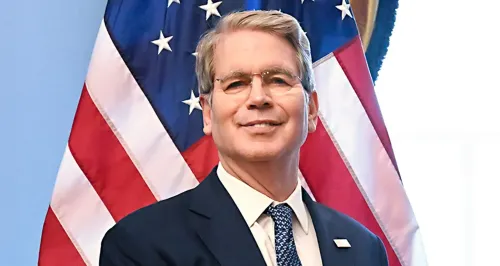
Treasury Secretary Scott Bessent confirmed on 5 June that the Trump administration is investigating Chinese involvement in US manufacturing projects receiving federal tax incentives.
The probe centres on the 45X manufacturing tax credit , designed to boost domestic production and strengthen US supply chains.
Congressman Darin LaHood alleged some manufacturers rely on Chinese engineers linked to the Chinese Communist Party while operating in the US.
Bessent said Treasury is ‘polling companies’ and investigating every report received, describing oversight as ‘very robust’.
The FCC has already banned Chinese drones and routers; vehicles are also being required to disconnect electronic systems from Chinese entities.
Both Republicans and Democrats are backing measures to reduce US dependence on Chinese supply chains in advanced manufacturing, clean energy, and telecoms.
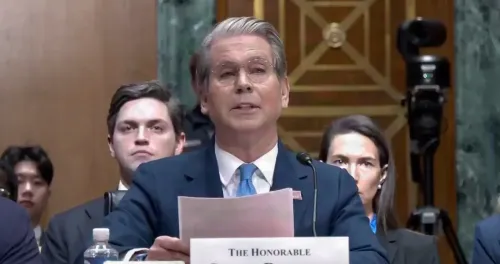
US Treasury Secretary Scott Bessent told lawmakers on Thursday, 5 June that the Trump administration is actively investigating reports of continued Chinese involvement in American manufacturing projects that receive federal tax incentives, signalling deepening scrutiny of Beijing's footprint in sectors Washington regards as strategically vital.
What Triggered the Review
The disclosure came during a hearing before the House Ways and Means Committee, after lawmakers raised concerns that companies benefiting from US manufacturing tax credits may still rely on Chinese personnel and expertise despite restrictions designed to reduce American dependence on China.
Congressman Darin LaHood, a member of the House Select Committee on China, said some manufacturers continue to depend on Chinese engineers and personnel linked to the Chinese Communist Party (CCP) while operating facilities inside the United States. He argued such arrangements could undermine the core objective of transferring technological know-how and operational control to American firms.
What the Treasury Said
Bessent confirmed the department was actively monitoring the issue. “We are polling the companies. We are asking for verification that this is not happening,” he told the committee. He added: “Whenever we receive a report, we investigate it.”
When pressed on whether investigations had produced results, Bessent described oversight efforts as “very robust” and pointed to broader administration actions limiting Chinese technology in sensitive domains. He cited the Federal Communications Commission (FCC) banning Chinese drones and routers, and noted requirements that electronic systems in American vehicles not be connected to Chinese entities.
The 45X Tax Credit at the Centre of the Debate
The scrutiny centres on the 45X manufacturing tax credit, a provision designed to incentivise domestic production and fortify US supply chains in sectors critical to national and economic security. Lawmakers on both sides of the aisle have increasingly pushed for safeguards to ensure federal incentives do not indirectly benefit Chinese entities. This comes amid a broader bipartisan push to decouple American advanced manufacturing, clean energy, and telecommunications infrastructure from Chinese supply chains.
Broader Context and What It Signals
The hearing reflects a growing concern in Washington that Chinese firms and personnel could retain influence over key technologies even as companies formally establish manufacturing operations on US soil. Notably, this is not the first time the 45X credit has drawn scrutiny — earlier rounds of congressional debate flagged loopholes that could allow foreign-linked entities to claim domestic production benefits.
Both Republicans and Democrats have backed measures to reduce reliance on Chinese supply chains, particularly in advanced manufacturing, semiconductors, clean energy, and critical communications technology. The administration’s willingness to investigate suggests enforcement, not just legislation, is now a priority.
What Happens Next
The Treasury’s verification process — polling companies and investigating reports — is ongoing, according to Bessent. No specific findings or enforcement actions were announced at the hearing. Congressional pressure is expected to intensify, with the House Select Committee on China likely to push for stricter compliance mechanisms tied to the 45X credit and similar incentive programmes.
Point of View
But the hearing exposed a structural gap: incentive design and enforcement were never built to run at the same speed. Bessent’s ‘polling companies’ approach is self-reported compliance, not independent verification — a framework that critics will argue is insufficient given the stakes. The deeper contradiction is that Washington needs Chinese supply chain capacity to hit its own clean-energy and semiconductor targets, even as it legislates against Chinese involvement. Until the administration publishes verifiable enforcement outcomes — not just assurances of robustness — the 45X credit remains a policy with a credibility problem.
NationPress
26 Sept 2026
Frequently Asked Questions
What is the US investigation into Chinese involvement in manufacturing tax credits about?
The Trump administration is probing whether Chinese engineers and personnel linked to the Chinese Communist Party are working inside US manufacturing facilities that claim the 45X federal tax credit, a provision meant to incentivise domestic production. Treasury Secretary Scott Bessent confirmed the review before the House Ways and Means Committee on 5 June.
What is the 45X manufacturing tax credit?
The 45X manufacturing tax credit is a US federal provision designed to encourage domestic production and strengthen supply chains in sectors critical to national and economic security, including advanced manufacturing, clean energy, and semiconductors. Lawmakers are concerned that loopholes may allow Chinese-linked entities to indirectly benefit from it.
What did Treasury Secretary Scott Bessent say about the probe?
Bessent said the Treasury Department is actively polling companies and requesting verification that Chinese involvement is not occurring. He described oversight efforts as ‘very robust’ and said the department investigates every report it receives, though no specific enforcement actions were announced at the hearing.
Who raised concerns in Congress about Chinese personnel in US factories?
Congressman Darin LaHood, a member of the House Select Committee on China, raised the concern, alleging that some manufacturers operating in the US continue to rely on Chinese engineers and CCP-linked personnel, potentially undermining the goal of transferring technology and operational control to American companies.
What broader actions has the US taken to limit Chinese technology?
Beyond the manufacturing probe, the Federal Communications Commission has banned Chinese drones and routers, and the administration has introduced requirements preventing electronic systems in American vehicles from being connected to Chinese entities. Both Republicans and Democrats have backed wider measures to reduce US dependence on Chinese supply chains.