Is the US Role in the India-Pakistan Crisis Overstated?
Synopsis
Senator Mark Warner critiques the exaggerated claims of the Trump Administration's role in the recent India-Pakistan conflict resolution, warning that such narratives could escalate regional tensions. He emphasizes the importance of understanding the actual dynamics of the situation and maintaining strong US-India relations amidst ongoing challenges.
Key Takeaways
Senator Mark Warner emphasizes the misrepresentation of US involvement in the India-Pakistan crisis.
The resolution was primarily between India and Pakistan , not solely due to US intervention.
Exaggerated narratives could escalate regional tensions and impact US-India relations.
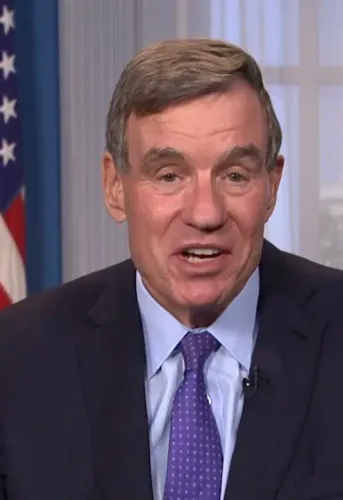
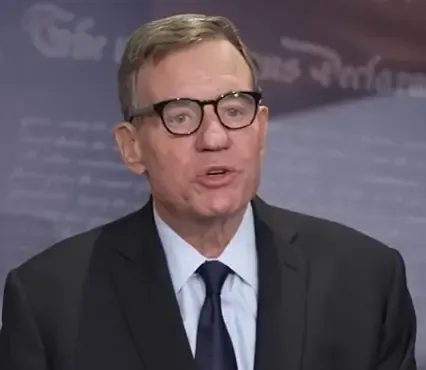
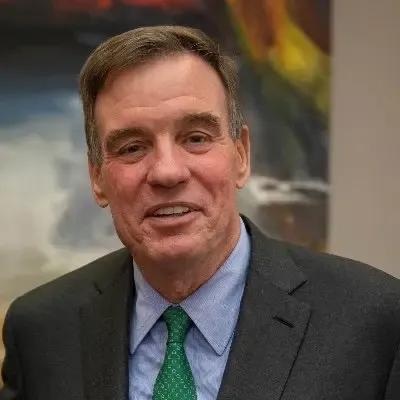
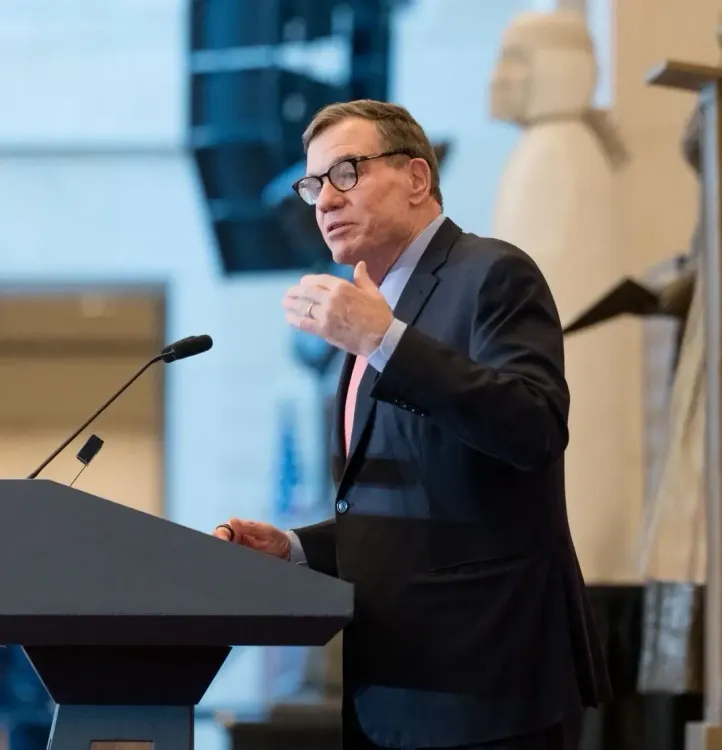
Washington, Jan 28 (NationPress) A prominent American Senator has asserted that the claims regarding the Trump Administration's role in de-escalating the recent tensions between India and Pakistan are significantly exaggerated, risking a misrepresentation of the true nature of the resolution. Senator Mark Warner, who chairs the influential Senate Intelligence Committee and co-chairs the Senate India Caucus, emphasized that the evidence does not substantiate the notion that Washington independently brokered the peace. He noted, “From what I’ve gathered from the Indian government and the intelligence community, this standoff was primarily addressed by Pakistan and India themselves,” he communicated during an exclusive interview with IANS.
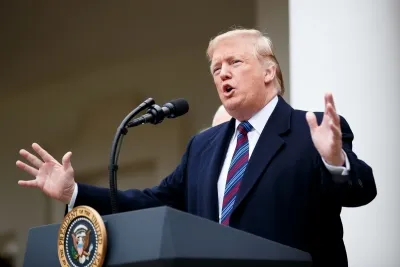
While acknowledging that the United States may have sought to provide support, Warner dismissed the idea that President Donald Trump was directly involved in the negotiations. “The portrayal that Mr. Trump was personally involved is a misunderstanding; it stems from an ‘ego reaction’,” he explained.
When asked if the escalation brought the two nuclear-capable nations near disaster, Warner described the situation as grave yet not unprecedented, stating, “Both parties exhibited a significant escalation,” while recalling that India and Pakistan have faced similar crises historically.
He remarked that the incident followed a common pattern, attributed once again to a terrorist event, reflecting persistent issues with cross-border militancy. Warner reassured that established communication lines exist between New Delhi and Islamabad for such critical times, stating, “There are systems in place for communication between India and Pakistan during these events.”
Warner voiced concerns that amplifying the U.S. role could undermine trust among allies. He speculated that the ongoing tariff disputes with India stem from feelings of unacknowledged contributions. “This seems to be the only rational explanation,” he noted, alluding to Trump’s belief that Prime Minister Modi did not adequately acknowledge his efforts in easing tensions.
He drew parallels with other foreign policy narratives, pointing out that Trump has a history of overstating achievements. “While American forces performed commendably, they didn’t entirely dismantle Iran’s nuclear potential,” he stated, mentioning Tehran's capability to recover in a short period.
Warner cautioned that such rhetoric carries diplomatic repercussions. “When not everyone agrees with his narrative, he becomes resentful,” he remarked, connecting this attitude to the broader decline in trust between Washington and New Delhi.
The senator warned that short-term political skirmishes could jeopardize long-term strategic partnerships, particularly in defense matters. “You cannot shift alliances overnight unless you are confident that your next partner will be reliable,” he said, referring to India’s gradual steps to lessen reliance on Russian military imports.
On the topic of Pakistan, Warner noted that the country remains overly fixated on India. “It appears that Pakistan is frequently preoccupied with India and uses it as a scapegoat for its own economic shortcomings,” he expressed.
Conversely, he highlighted that India has evolved beyond such rivalries. “As India transitions into a first-world power, it is moving past this competition,” he remarked, adding that generational changes in India favor a closer relationship with the United States.
Warner cautioned that exaggerating the U.S. involvement risks complicating an already sensitive regional equilibrium and detracts from the necessity of fostering stable long-term relations between India and the U.S.
Point of View
It is crucial to acknowledge the complexities surrounding international relations, particularly between nuclear-armed nations. The narrative surrounding the US's role in the India-Pakistan crisis emphasizes the need for accurate reporting and understanding of diplomatic efforts. Our focus remains on promoting clarity and fostering continued dialogue between nations.
NationPress
20 Sept 2026
Frequently Asked Questions
What role did the US play in the India-Pakistan crisis?
The US attempted to provide support but did not directly intervene in resolving the crisis, as stated by Senator Mark Warner.
Why does Senator Warner believe the US role is overstated?
Warner argues that the claims of the Trump Administration's direct involvement are exaggerated and do not reflect the reality of the situation.
How could overstating US involvement affect India-Pakistan relations?
Exaggerating the US's role may lead to mistrust among allies and complicate diplomatic relations between India and Pakistan.