US sanctions ICC president and trial lawyer in widening anti-court campaign
Synopsis
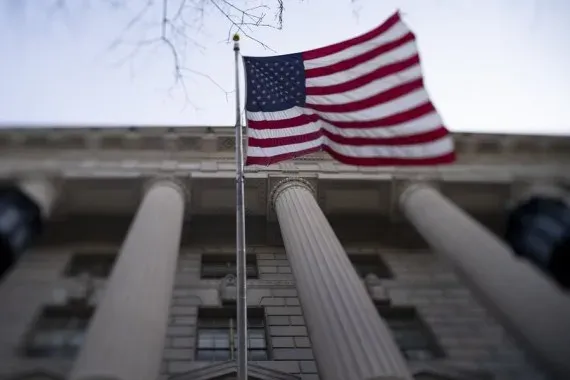
Washington has sanctioned the ICC's sitting president and a senior trial lawyer — a move without modern precedent — and is openly calling on other nations to defund the court. The Trump administration's 'whole of government' framing signals this is not a one-off but a sustained campaign to render the Hague tribunal operationally powerless against US nationals and those of non-member states.
Key Takeaways
The US sanctioned ICC President Tomoko Akane (Japan) and Senior Trial Lawyer Abdoulaye Seye (Senegal) on 19 August .
Designations were issued under Executive Order 14203 , 'Imposing Sanctions on the International Criminal Court.' Secretary of State Marco Rubio accused both officials of pursuing ICC action against nationals of non-member states.
The administration described the move as part of a 'whole of government' campaign launched last month to challenge the ICC's authority.
Washington urged other countries to withdraw funding and participation from the court.
Rubio warned of additional measures if necessary, including steps to 'systematically dismantle' the ICC.
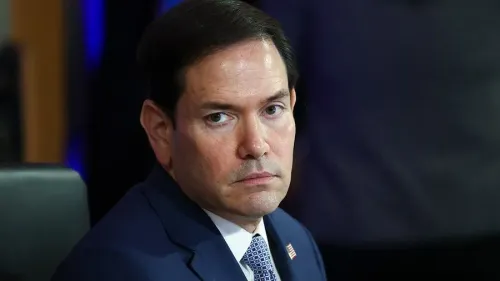
The United States imposed sanctions on International Criminal Court (ICC) President Tomoko Akane of Japan and Senior Trial Lawyer Abdoulaye Seye of Senegal on 19 August, marking a sharp escalation in the Trump administration's confrontation with the Hague-based tribunal. Secretary of State Marco Rubio announced the designations, warning that further measures are forthcoming as Washington pursues what it describes as a government-wide effort to curb the court's reach.
The Sanctions and Their Legal Basis
The designations were imposed under Section 1(a)(ii)(A) of Executive Order 14203, titled 'Imposing Sanctions on the International Criminal Court,' according to the State Department. Rubio accused both officials of direct involvement in ICC proceedings against nationals of countries that have not consented to the court's jurisdiction.
'These individuals have directly engaged in efforts by the ICC to investigate, arrest, detain, or prosecute officials whose government has not consented to ICC jurisdiction,' Rubio said in a formal statement.
Washington's Core Objection
The administration's central grievance is that the ICC has sought authority over citizens of non-member states — including the United States — without their consent. 'The ICC has repeatedly attempted to assert authority over nationals of the United States and other countries that have not consented to its jurisdiction or ratified the Rome Statute,' Rubio said. 'This sets a dangerous precedent for all nations.'
Rubio characterised the court in stark terms: 'The International Criminal Court is a corrupt and fatally politicized supranational court that has maliciously abused its authority and exceeded its mandate. We will not tolerate its assault on state sovereignty.'
A Broader Diplomatic Campaign
Tuesday's action, Rubio said, forms part of a diplomatic campaign launched last month to challenge what Washington considers an overreach by the tribunal. The administration has urged other nations to withdraw their financial and political support from the court.
'Our whole of government campaign to dismantle the threat posed by the ICC to national sovereignty will be sweeping and we expect more countries to join our campaign by ending their funding and participation in this politicized and unaccountable court,' Rubio said.
What the ICC Is and Why It Matters
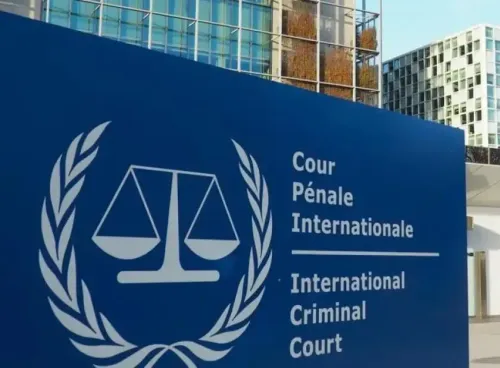
The ICC, established under the Rome Statute which entered into force in 2002, is mandated to prosecute individuals accused of genocide, crimes against humanity, war crimes, and the crime of aggression when national courts are unable or unwilling to act. The United States has never ratified the Rome Statute, a position that predates the Trump administration and has historically informed Washington's scepticism of the court's reach.
The sanctioning of the court's sitting president is, however, a significant departure from previous administrations' postures — even those that opposed ICC jurisdiction over US nationals.
What Comes Next
Rubio made clear that 19 August's designations would not be the final step. 'The Trump Administration stands ready to take additional measures, if necessary, to systematically dismantle the ICC until it is incapable of threatening American sovereignty,' he said. The administration has not specified what additional tools it may deploy, but the framing of a 'whole of government' effort suggests potential legislative, financial, and diplomatic pressure on member states that continue to fund the court.
Point of View
And the call for other nations to defund the court tests whether Washington's bilateral leverage can fracture multilateral legal architecture. The ICC's legitimacy has always depended on broad participation; if even a handful of European or African member states reduce funding under US pressure, the court's operational capacity shrinks in ways sanctions alone cannot achieve. The deeper question is whether this campaign accelerates a retreat from rules-based international accountability or prompts a counter-coalition to defend it.
NationPress
19 Aug 2026
Frequently Asked Questions
Who did the US sanction at the ICC and why?
The US sanctioned ICC President Tomoko Akane of Japan and Senior Trial Lawyer Abdoulaye Seye of Senegal on 19 August under Executive Order 14203. Secretary of State Marco Rubio accused both of directly participating in ICC proceedings against nationals of countries that have not consented to the court's jurisdiction.
What is Executive Order 14203?
Executive Order 14203, titled 'Imposing Sanctions on the International Criminal Court,' authorises the US government to designate ICC officials and affiliates for sanctions. The Trump administration has used it to escalate pressure on the Hague-based tribunal over what it calls an abuse of authority against non-member states.
What is the ICC and does the US belong to it?
The International Criminal Court, based in The Hague, was established under the Rome Statute that entered into force in 2002 to prosecute genocide, war crimes, crimes against humanity, and the crime of aggression. The United States has never ratified the Rome Statute and does not recognise the court's jurisdiction over its nationals.
Will the US take further action against the ICC?
Yes, according to Secretary of State Rubio, who said the Trump administration 'stands ready to take additional measures, if necessary, to systematically dismantle the ICC.' The administration is also urging other countries to end their financial and political support for the court.
What does the US want other countries to do about the ICC?
Washington is pressing other nations to withdraw funding and participation from the ICC, framing it as a 'politicized and unaccountable court.' Rubio said the administration expects more countries to join its campaign, though no specific governments have been named publicly.