US pushes $1 billion UN budget cut, targets 4,000 posts
Synopsis
The Trump administration has moved beyond rhetoric on UN reform — it has now quantified a target: over $1 billion in budget cuts and 4,000 posts on the chopping block. A State Department spokesman says $260 million in annual savings has already been locked in, with Ambassador Mike Waltz credited as the driving force. The push signals a structural rethink of what Washington believes the UN should — and should not — be doing.
Key Takeaways
The US is pushing for more than $1 billion in cuts to the UN budget, according to a State Department spokesman on 26 September 2026 .
4,000 positions within the UN have been identified for potential elimination, though these are not confirmed job losses.
The effort has reportedly already saved US taxpayers more than $260 million per year.
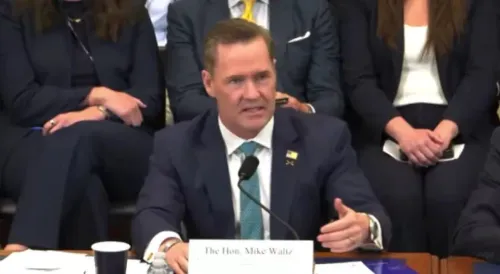
US Ambassador Mike Waltz has been credited with helping advance the reform push.
Washington is also scrutinising the International Criminal Court (ICC) and opposed an IMO shipping proposal it said imposed costs without electoral accountability.
The US is encouraging other member nations to assess whether international institutions serve their interests.
The United States is pressing for a reduction of more than $1 billion in the United Nations budget and has identified 4,000 positions for potential elimination, a senior State Department official confirmed on 26 September 2026. The push reflects the Trump administration's broader drive to scale back the UN's scope and redirect its focus toward what Washington defines as core responsibilities.
What the US Is Proposing
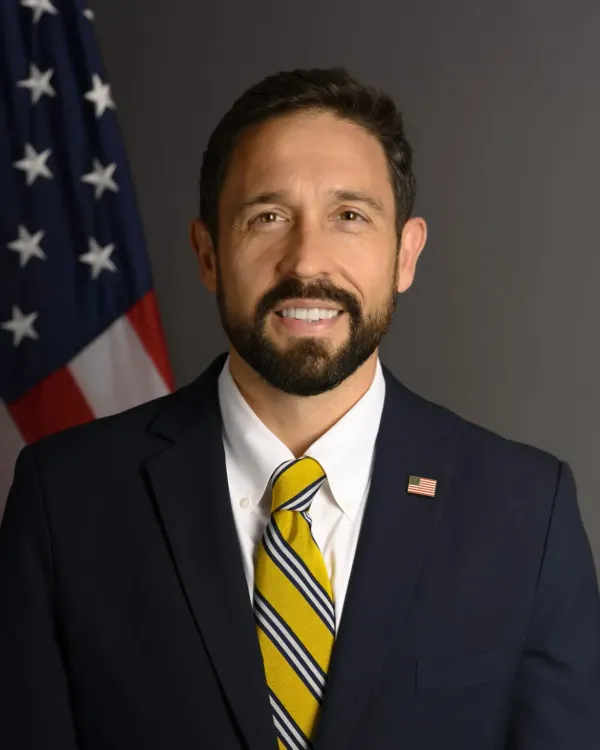
Luke Ortega, deputy spokesman for the State Department, described the proposals as a 'work in progress,' clarifying that the 4,000 figure referred to positions identified for possible cuts rather than confirmed job losses. He said the effort had already saved US taxpayers more than $260 million annually, though he did not provide a breakdown of those savings.
'This is a top priority for the United States to get the United Nations back to basics, back to its real core responsibilities, to have the United Nations doing less, and to be doing it better,' Ortega said.
Washington's Core Demands
Ortega said the administration wants the UN to concentrate on peace, prosperity, and respect for the sovereignty of nations — and is working on both the budget and the organisation's overall size to shift it in that direction. He credited US Ambassador to the UN Mike Waltz with helping advance the reform effort.
Beyond spending, the administration has raised questions of structural mandate: which functions properly belong to the UN and which do not. 'For us, that's really the most critical element when we talk about reforming the United Nations — what should it be doing and what shouldn't it be doing?' Ortega said.
Broader Reform Agenda
Ortega pointed to President Donald Trump's criticism of an International Maritime Organization (IMO) proposal on global shipping, arguing that Washington opposes decisions by international bodies that impose costs on the public without being made by elected officials. He also singled out the International Criminal Court (ICC) as an institution meriting scrutiny, while noting the US would evaluate its own engagement with multilateral bodies on the basis of national interest.
Notably, the administration also argued for a stronger UN role in settling conflicts — crediting Trump with facilitating recent settlements — while maintaining that the US would continue to act unilaterally when international bodies fell short.
Wider Implications
Washington is reportedly encouraging other member states to assess whether international institutions are genuinely serving their members' interests. This comes amid a broader pattern of the Trump administration reassessing US contributions to multilateral organisations, following earlier reviews of funding to bodies such as the World Health Organization (WHO).
The US remains the single largest contributor to the UN's regular and peacekeeping budgets, giving Washington significant leverage in any reform push. How other major contributors — including the European Union, China, and Japan — respond will determine whether Washington's pressure translates into institutional change or deepens divisions within the organisation.
Point of View
' Washington is laying the groundwork for a selective engagement model — funding what it approves of, defunding what it doesn't. That is a structural shift in how the world's largest contributor interacts with multilateralism. The $260 million in claimed savings, unverified and unbroken down, deserves independent scrutiny. And the simultaneous push for a stronger UN role in conflict resolution, even as cuts are demanded, reveals the contradictions at the heart of this agenda.
NationPress
26 Sept 2026
Frequently Asked Questions
What is the US proposing to cut from the UN budget?
The US is seeking a reduction of more than $1 billion in the UN's overall budget and has identified 4,000 positions within the organisation that could be eliminated. A State Department spokesman clarified these are positions flagged for possible cuts, not confirmed redundancies.
How much has the US already saved through UN reform efforts?
According to State Department deputy spokesman Luke Ortega, the reform drive has already saved US taxpayers more than $260 million per year, though no breakdown of those savings was provided.
Why is the Trump administration pushing for UN reforms?
The administration argues the UN has strayed from its core responsibilities of promoting peace, prosperity, and national sovereignty. It wants the organisation to do less but do it better, and is questioning which functions properly belong at the UN at all.
Who is leading the US push for UN reform?
US Ambassador to the UN Mike Waltz has been credited by State Department officials with helping advance the reform effort. Deputy spokesman Luke Ortega has been the public face of the communications around the proposals.
Which other international bodies is Washington scrutinising?
Beyond the UN, Washington has flagged the International Criminal Court (ICC) for review and criticised an International Maritime Organization proposal on global shipping. The administration says it will judge US engagement with all multilateral bodies by whether it serves American national interests.