White House Claims $1 Trillion in Regulatory Cuts for Americans
Synopsis
The White House announced on July 8, 2026, that sweeping regulatory cuts would save Americans more than $1 trillion. The move echoes President Trump's first-term deregulatory agenda and is expected to face scrutiny over methodology, legal challenges, and independent economic assessment.
Key Takeaways
The White House announced on July 8, 2026 , that regulatory cuts would save Americans more than $1 trillion .
President Donald Trump 's deregulatory record includes Executive Order 13771 (2017), which mandated two rule repeals for every new regulation issued.
The Office of Management and Budget is the primary body responsible for verifying and publishing regulatory cost-savings estimates.
American businesses — especially in energy, manufacturing, finance, and agriculture — are the primary intended beneficiaries of reduced compliance burdens.
Independent verification of the $1 trillion figure and potential legal challenges from states and advocacy groups are the key variables to watch.
Congressional hearings and the next OMB regulatory accounting report are expected to provide further detail on the specific rules affected.
The White House announced on Tuesday, July 8, 2026, that sweeping regulatory cuts would save Americans more than $1 trillion, framing the deregulatory push as a landmark relief measure for businesses and consumers across the United States.
Context
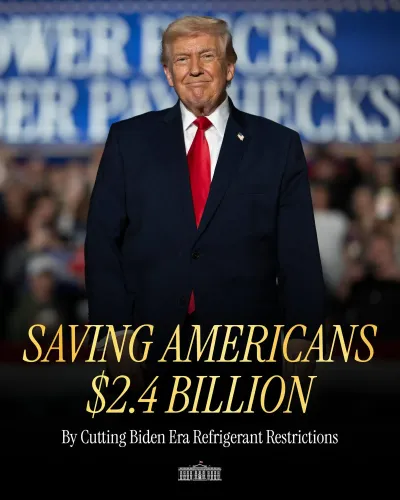
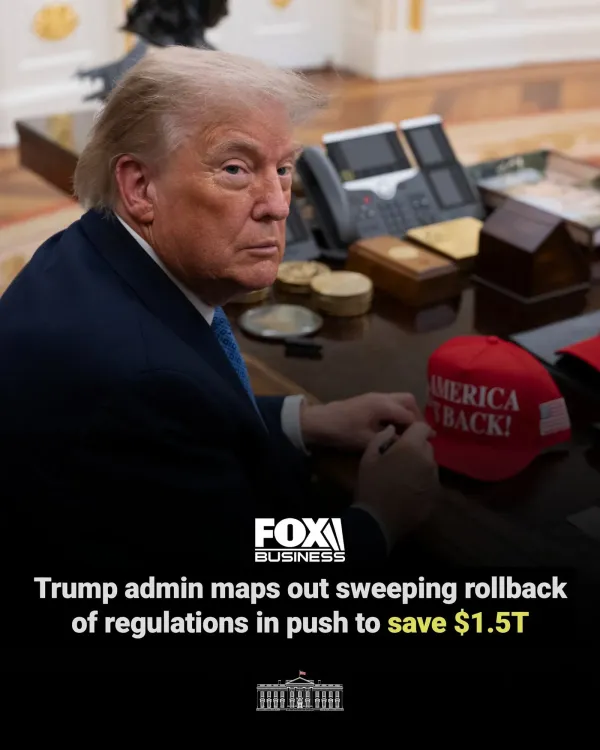
The announcement, posted on the official White House account on X, declared 'sweeping regulatory cuts to save Americans more than $1 trillion' — a figure the administration is presenting as the cumulative benefit of rolling back federal rules. The post was accompanied by an image and the American flag emoji, signalling a high-profile domestic policy moment.
Regulatory cost reduction has been a defining theme of President Donald Trump's political brand. His first term saw the introduction of Executive Order 13771 in January 2017, which required federal agencies to repeal two existing rules for every new regulation issued and imposed annual caps on net regulatory costs across the government.
Policy Backdrop
The Office of Management and Budget (OMB) has historically served as the accounting authority for such claims, publishing annual regulatory reports that tally projected savings from rule repeals. Under the first Trump administration, the OMB reported billions in claimed annual savings, though independent economists often noted that projected figures can differ substantially from realised outcomes.
Deregulatory campaigns in the United States are not new. Notable waves occurred under President Ronald Reagan in the 1980s, targeting environmental and financial rules, and again under Trump between 2017 and 2020. Each episode generated significant debate between industry groups that welcomed reduced compliance burdens and regulatory advocates who warned of risks to public health, worker safety, and financial stability.
Stakeholders and Impact
American businesses — particularly in energy, manufacturing, finance, and agriculture — are the primary intended beneficiaries of deregulatory action, as federal compliance costs disproportionately affect industries subject to dense rule sets. Small businesses, which often lack dedicated legal and compliance teams, are frequently cited by proponents as standing to gain the most from reduced regulatory overhead.
Consumer and environmental advocacy groups, by contrast, typically argue that regulatory rollbacks can expose the public to greater financial, health, and environmental risks. The breadth of a $1 trillion savings claim would, if substantiated, represent one of the largest single deregulatory actions in modern American history, making independent verification of the methodology a key point of scrutiny.
What's Next
Attention will now turn to the OMB's forthcoming regulatory accounting report, which is expected to detail the specific rules repealed or modified and the methodology behind the trillion-dollar savings estimate. Congressional committees with oversight jurisdiction over regulatory agencies are likely to schedule hearings to examine the scope and basis of the claimed reductions.
The announcement also sets the stage for potential legal challenges from states and advocacy organisations that may contest the legality of specific rule repeals, a pattern seen repeatedly during the first Trump deregulatory push. How courts respond to those challenges will ultimately determine how much of the projected saving is realised in practice.
Point of View
Designed to cast deregulation as a tangible economic dividend for ordinary Americans rather than a technical bureaucratic exercise. It fits squarely within the Trump administration's pattern of anchoring policy wins to large, memorable numbers that dominate headlines and shape public perception ahead of any independent audit. The critical test will be whether the OMB's detailed accounting supports the headline figure, since past deregulatory claims have often relied on projected rather than realised savings. For India and other trade partners, a sweeping US deregulatory wave can recalibrate competitive dynamics in sectors from manufacturing to financial services, making this more than a domestic American story.
NationPress
6 Oct 2026
Frequently Asked Questions
What are the White House regulatory cuts announced in July 2026?
The White House announced on July 8, 2026, that sweeping cuts to federal regulations would save Americans more than $1 trillion, continuing President Trump's deregulatory agenda that began in his first term with Executive Order 13771 in 2017.
How does the US government calculate regulatory savings?
The Office of Management and Budget (OMB) publishes annual regulatory accounting reports that estimate the projected costs and savings from rule repeals and new regulations across federal agencies, using methodology developed under executive orders.
What was Executive Order 13771 and how does it relate to this announcement?
Executive Order 13771, signed in January 2017, required federal agencies to repeal two existing regulations for every new one issued and imposed annual caps on net regulatory costs — establishing the framework that underpins the current deregulatory push.
Who benefits from US deregulation and who opposes it?
American businesses in energy, manufacturing, finance, and agriculture typically benefit from lower compliance costs, while consumer groups, environmental advocates, and worker-safety organisations warn that rollbacks can increase public risk and challenge specific repeals in court.
How does US deregulation affect India and global trade?
Large-scale US deregulation can shift competitive dynamics in global industries by lowering production costs for American firms, potentially affecting Indian exporters in sectors such as pharmaceuticals, textiles, and financial services that compete with or supply US markets.