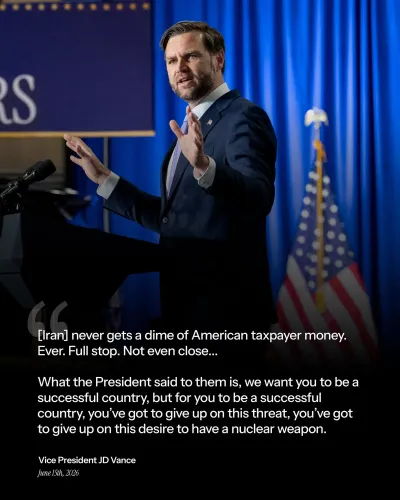
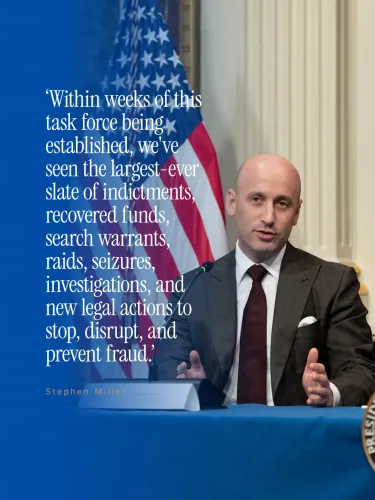
White House Vows to Protect U.S. Taxpayer Dollars
Synopsis
The White House reaffirmed its commitment to protecting taxpayer dollars in a May 27, 2026 post on X. The message aligns with a long-standing executive pattern of framing fiscal discipline as a core governance priority, ahead of expected Congressional action on federal appropriations.
Key Takeaways
The White House posted on May 27, 2026 pledging to protect taxpayer dollars.
The message fits a pattern of executive fiscal-accountability communications across administrations.
The Budget Control Act of 2011 established the modern framework for discretionary spending caps and sequestration.
Key stakeholders include U.S. taxpayers and federal agencies under scrutiny for spending efficiency.
Congressional action on appropriations bills and inspector general reports are the next milestones to watch.
The post signals the administration's intent to make taxpayer stewardship a defining theme of its fiscal agenda.
The White House, the official communications account of the Executive Office of the President of the United States, posted on X on Wednesday, May 27, 2026, reaffirming the administration's commitment to protecting taxpayer funds amid ongoing federal fiscal debates.
Context
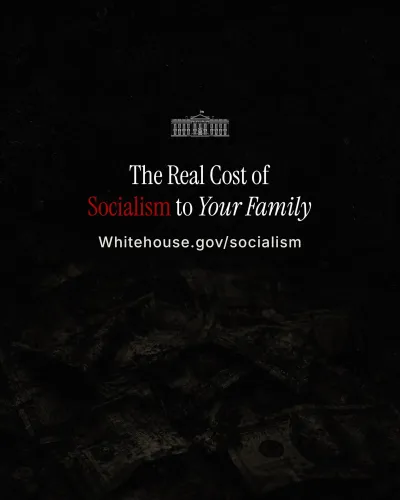
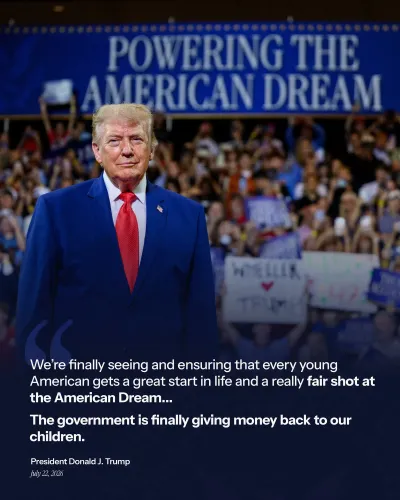
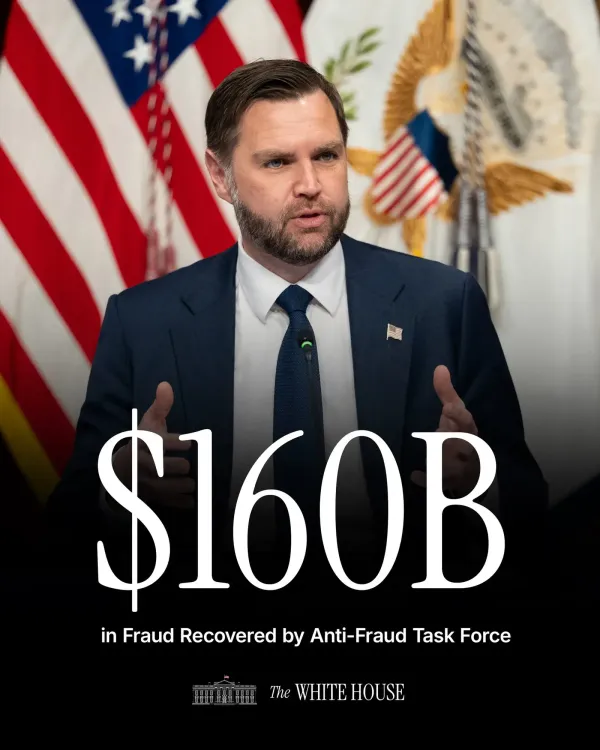
The post, which read 'Protecting YOUR taxpayer dollars,' was accompanied by an image and a link to additional content. While the specific details of the linked material could not be independently verified, the message fits a well-established pattern of White House communications framing fiscal discipline as a core executive priority. Such statements are typically tied to budget proposals, agency audits, or spending-restraint initiatives.
Policy Backdrop
Federal spending accountability has been a recurring theme across administrations. The Budget Control Act of 2011 was a landmark moment in this arc, establishing caps on discretionary spending and introducing sequestration as a mechanism to curb deficits and enforce fiscal discipline. Since then, successive administrations have used the language of taxpayer protection to justify budget cuts, agency reorganisations, and oversight initiatives. White House messaging on this theme typically accompanies formal submissions to Congress or the release of inspector general reports highlighting inefficiencies within federal agencies.
The broader pattern reflects a durable political consensus — across party lines — that executive accountability to taxpayers is a legitimate and powerful public-facing argument. Whether the message signals a new policy initiative or reinforces an existing one, it is directed squarely at an audience concerned about the size and efficiency of the federal government.
Stakeholders and Impact
U.S. taxpayers are the stated beneficiaries of such fiscal messaging, which is designed to signal that the executive branch is actively monitoring how public funds are spent. Federal agencies — particularly those under scrutiny for cost overruns or administrative bloat — are the implied targets. For Indian observers and businesses with interests in United States federal contracting, procurement, or aid programmes, shifts in Washington's fiscal posture can have downstream implications for bilateral economic engagements.
The message also lands in a context where Congress is expected to take up appropriations decisions in the coming fiscal year, making executive signalling on spending restraint politically significant. Advocacy groups focused on government accountability and fiscal conservatism are likely to amplify such communications.
What's Next
Observers will watch for concrete follow-through in the form of Congressional appropriations bills, inspector general reports on agency efficiency, or executive orders targeting specific areas of federal expenditure. The administration's ability to translate this messaging into measurable outcomes — reduced waste, tighter audits, or reformed procurement — will determine its political and policy weight. For now, the post sets a public marker that the White House intends to hold the line on taxpayer stewardship as a defining theme of its fiscal agenda.
Point of View
Long on political intent. It positions the administration on the side of the public against bureaucratic waste, a framing that has proven durable across both Republican and Democratic tenures. Coming ahead of a likely Congressional appropriations cycle, the message may be laying rhetorical groundwork for spending cuts or agency reforms that require legislative buy-in. Whether it translates into concrete policy or remains atmospheric messaging will be the real test of its significance.
NationPress
11 Oct 2026
Frequently Asked Questions
What did the White House post about taxpayer dollars on May 27 2026?
The White House posted on X on May 27, 2026, stating 'Protecting YOUR taxpayer dollars,' signalling the administration's commitment to federal spending accountability. The post included an image and a link to additional content.
What does the White House mean by protecting taxpayer dollars?
In the context of U.S. executive communications, 'protecting taxpayer dollars' typically refers to efforts to reduce federal waste, enforce spending caps, conduct agency audits, and ensure public funds are used efficiently and accountably.
What is the Budget Control Act and how does it relate to taxpayer protection?
The Budget Control Act of 2011 established caps on U.S. discretionary spending and introduced sequestration — automatic spending cuts — as a mechanism to curb federal deficits and protect taxpayer resources from unchecked government expenditure.
How does White House fiscal messaging affect India?
Shifts in U.S. federal spending priorities can affect Indian businesses and entities involved in American federal contracting, procurement, and aid programmes, making White House fiscal signals relevant for bilateral economic observers.
What should we watch for after the White House taxpayer post?
Key developments to monitor include Congressional appropriations bills, inspector general reports on federal agency efficiency, and any executive orders targeting specific areas of government spending in the coming fiscal year.