US Treasury flags $8 billion in suspicious overseas wire transfers, warns banks
Synopsis
The US Treasury has put the global financial system on notice: more than $8 billion in potentially suspicious wire transfers have been identified in just four years, with overseas agents using American money-transfer firms as unwitting conduits. The simultaneous charity-abuse alert adds a second front to what is shaping up as the administration's most aggressive anti-financial-crime push in years.
Key Takeaways
FinCEN identified more than $8 billion in potentially suspicious overseas wire transfers in reporting covering 2021–2025 .
The alert targets arrangements where an overseas commercial agent directs a US money services business to pay a separate foreign entity.
A companion notice identifies three forms of charity abuse : sham organisations, fraudulent fundraising, and insider embezzlement.
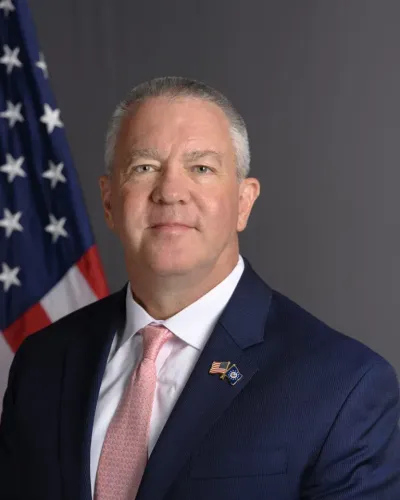
Both documents were part of anti-fraud measures announced by Treasury Secretary Scott Bessent in St.
FinCEN clarified that suspicious activity reports provide investigative leads and do not establish criminal wrongdoing.
Institutions are reminded of existing Bank Secrecy Act duties; no new legal obligations have been imposed.
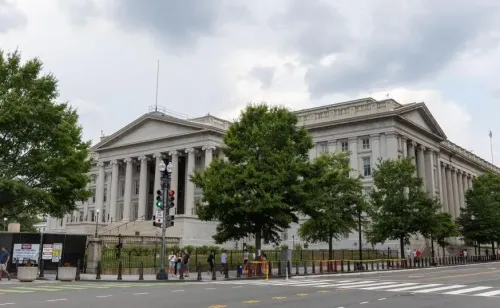
The US Treasury Department on 31 October 2026 warned banks and money-transfer firms about risks in certain cross-border payments, citing more than $8 billion in potentially suspicious wire transfers identified in reporting covering 2021 to 2025. The alert, issued by the Financial Crimes Enforcement Network (FinCEN), marks one of the most detailed public disclosures of suspected cross-border payment fraud in recent years.
What FinCEN's Alert Covers
The FinCEN alert centres on a specific payment arrangement: an overseas commercial agent instructs a US-based money services business to transfer funds to a separate foreign entity, often described as the agent's supplier or business partner. In such setups, the US-based intermediary may have little or no information about the overseas agent, the final recipient, or the nature of the underlying transaction.
Treasury cautioned that criminals could exploit these poorly monitored cross-border relationships to conceal the true identity of the ultimate money recipient and the purpose of the transfer. Officials also noted that such arrangements could potentially facilitate terrorist financing.
Companion Notice on Charity and Non-Profit Abuse
Alongside the payment alert, FinCEN released a separate notice identifying three broad categories of charitable organisation misuse: sham entities used for illicit purposes, fraudulent fundraising schemes that divert donations for personal benefit, and insider embezzlement. Notably, in embezzlement cases, the charity itself can be a victim, with employees and donors unaware that funds are being misappropriated.
The notice highlighted that information about donors, funding sources, fundraising methods, and organisational affiliations can help financial institutions assess risk. However, FinCEN clarified that the Bank Secrecy Act does not mandate collection of those specific details from non-profit customers. This aligns with a joint fact sheet issued by FinCEN and federal banking regulators in November 2020, which affirmed that charities should not face unique additional scrutiny solely on account of their non-profit status.
Part of a Broader Anti-Fraud Push
Both documents were released as part of anti-fraud initiatives announced by Treasury Secretary Scott Bessent in St. Cloud, Minnesota. Treasury said the measures support the White House Task Force to Eliminate Fraud, signalling that financial-crime enforcement is a stated priority of the current administration.
FinCEN emphasised that suspicious activity reports (SARs) provide investigative leads and do not, by themselves, establish criminal wrongdoing. Institutions are reminded to assess the full circumstances and customers' transaction histories before concluding that specific activity warrants a report. Both documents describe red-flag indicators and reiterate existing Bank Secrecy Act reporting obligations.
What Financial Institutions Must Do
FinCEN is asking banks and money services businesses to clearly identify relevant suspicious activity when filing SARs. Institutions are not required to take new legal steps but are urged to apply heightened scrutiny to third-party overseas agent arrangements and to monitor the full chain of payment relationships rather than just the immediate transaction counterpart.
With global remittance volumes at record highs and cross-border payment corridors expanding rapidly, analysts say FinCEN's guidance could prompt compliance reviews across a wide range of financial services firms operating internationally.
Point of View
But the more consequential detail is structural: FinCEN is flagging a compliance blind spot that sits between jurisdictions — where no single institution sees the full payment chain. The alert does not impose new rules, which means its real impact depends entirely on how seriously compliance officers treat guidance versus regulation. Past FinCEN advisories have had mixed uptake. The simultaneous move on charity abuse is politically significant too, arriving as scrutiny of non-profit financing intensifies in Washington — and it puts faith-based and humanitarian organisations on notice without formally changing their regulatory burden, a careful but pointed signal.
NationPress
31 Oct 2026
Frequently Asked Questions
What did the US Treasury warn banks about on 31 October 2026?
The US Treasury's FinCEN division warned banks and money-transfer firms about risks in certain overseas payment arrangements, citing more than $8 billion in potentially suspicious wire transfers identified in reporting from 2021 to 2025. The alert focuses on setups where an overseas agent directs a US firm to pay a separate foreign entity with little transparency about the transaction's purpose.
What is FinCEN and what authority does it have?
FinCEN, or the Financial Crimes Enforcement Network, is a bureau of the US Treasury Department responsible for safeguarding the financial system from illicit use and combating money laundering. It issues alerts and guidance under the Bank Secrecy Act, though its advisories — as distinct from formal rules — do not by themselves create new legal obligations for financial institutions.
What are the warning signs FinCEN wants banks to watch for?
FinCEN's alert describes red flags including payments instructed by an unverified overseas commercial agent, a US firm having little information about the final foreign recipient, and transactions where the nature of the underlying business relationship is unclear. Institutions are asked to consider full transaction histories and circumstances before filing suspicious activity reports.
How does the charity abuse notice affect non-profit organisations?
The notice identifies three categories of abuse — sham organisations, fraudulent fundraising, and insider embezzlement — but does not impose new requirements on charities. FinCEN reiterated its 2020 guidance that banks should not apply unique additional scrutiny to customers simply because they are non-profits; the notice is aimed at helping institutions recognise genuine red flags rather than treating all charities as high-risk.
How do these measures connect to the White House's broader agenda?
Treasury Secretary Scott Bessent announced the measures as part of anti-fraud initiatives tied to the White House Task Force to Eliminate Fraud, signalling that financial-crime enforcement is a stated priority of the current administration. The simultaneous alerts on cross-border payments and charity abuse suggest a coordinated push across multiple illicit-finance vectors.