Uyghur groups demand global action as 2009 Urumqi Massacre turns 17
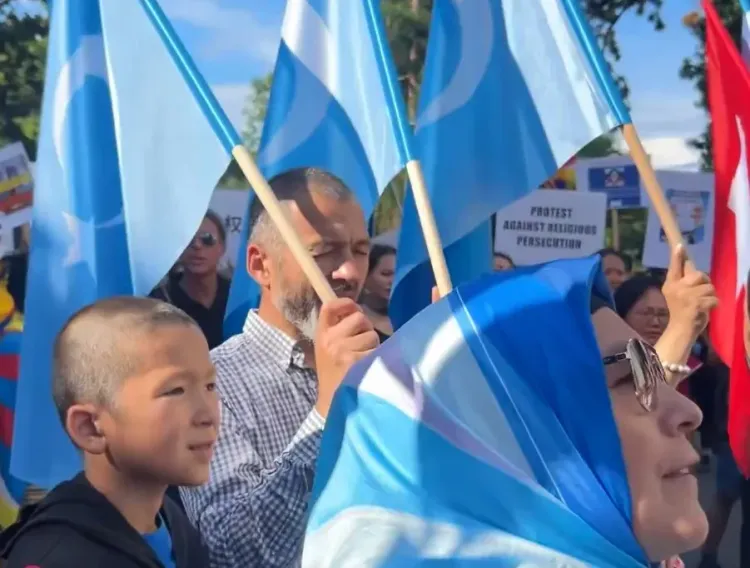
Synopsis
Sixteen years after Chinese security forces cracked down on Uyghur protesters in Urumqi, advocacy groups say not a single family has received an official accounting of what happened to their loved ones. The WUC and UHRP are using the 17th anniversary to push for the one thing Beijing has never provided: transparency.
Key Takeaways
The 2009 Urumqi Massacre anniversary falls on 5 July , marking 17 years since Chinese forces cracked down on Uyghur protesters.
The World Uyghur Congress (WUC) and the Uyghur Human Rights Project (UHRP) have called on the international community to press Beijing for transparency on victims killed, disappeared, or imprisoned.
According to the WUC, the protests began after at least two Uyghurs were allegedly killed in a racially motivated attack in the Shaoguan region .
Chinese authorities have never provided an official accounting of casualties or detentions from the 5–7 July 2009 crackdown, per the UHRP.
UHRP Executive Director Omer Kanat said the impunity following 2009 'laid the groundwork' for subsequent mass internment, forced labour, and family separation in Xinjiang .
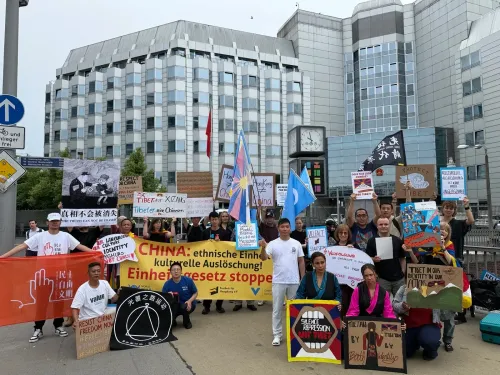
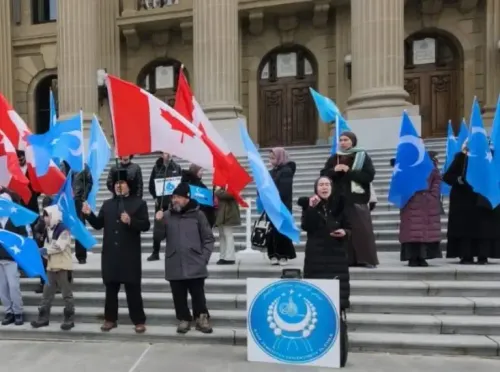
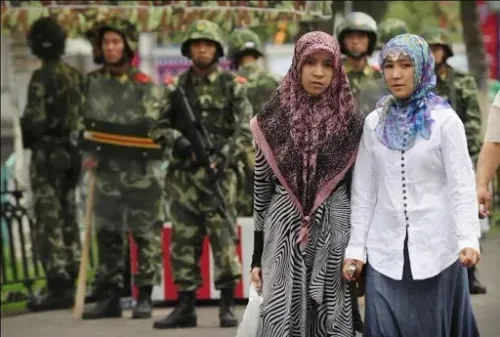
Several Uyghur advocacy organisations have urged the international community to press Beijing to disclose the fate of those killed, disappeared, or imprisoned during the 2009 Urumqi Massacre in China's Xinjiang Uyghur Autonomous Region, as the crackdown marks its 17th anniversary on 5 July.
What Happened on 5 July 2009
According to the World Uyghur Congress (WUC), thousands of young Uyghurs marched toward People's Square in central Urumqi on 5 July 2009 to protest what they described as the Chinese government's mishandling of an earlier incident in the Shaoguan region, where at least two Uyghurs were allegedly killed by a mob of Chinese factory workers in what the WUC characterised as a racially motivated attack. Between 5 and 7 July 2009, the WUC says, thousands of peaceful protesters demanding equal treatment and basic rights were killed, forcibly disappeared, or injured at the hands of Chinese police.
WUC Marks the Anniversary
Commemorating the victims, WUC President Turgunjan Alawdun described the event as 'one of the darkest moments in the history of the Uyghur people.' He said the crackdown was 'a pivotal moment in intensifying the repression of the Uyghur people, and it laid the groundwork for the genocide we witness today.' The WUC reiterated its call on the global community to demand transparency on the victims' fate, arguing that the international community's continued failure to scrutinise Beijing's actions has allowed repressive policies in Xinjiang to persist — policies the WUC characterises as constituting genocide.
UHRP Calls for Accountability
The Uyghur Human Rights Project (UHRP) separately called on Chinese authorities to disclose the fate of those killed, disappeared, and imprisoned following the 5 July 2009 crackdown. Despite repeated appeals from victims' families, the UHRP said, Chinese authorities have never provided a transparent accounting of the number of people killed, injured, detained, or forcibly disappeared during and after the events.
UHRP Executive Director Omer Kanat said: 'The July 5 crackdown marked a decisive turning point in the Chinese government's campaign against the Uyghur people. The impunity that followed the killings, enforced disappearances, and mass arrests sent a dangerous message that China could escalate repression without consequence. The result was the mass internment, forced labour, family separation, and other atrocity crimes that followed.'
Broader Context and International Response
The calls come as global scrutiny of China's policies in Xinjiang has intensified over the past decade. Multiple Western governments and human rights bodies have characterised Beijing's actions in the region as constituting crimes against humanity or genocide — allegations China has consistently denied. Notably, no official international accountability mechanism has been established for the 2009 events, and many families remain without information about missing relatives more than a decade and a half later.
As the 17th anniversary arrives, advocacy groups say the absence of accountability continues to embolden further repression — and that without sustained international pressure, transparency on the 2009 crackdown remains unlikely.
Point of View
The 2009 Urumqi crackdown remains one of the least-documented mass violence events of the 21st century — not because evidence is scarce, but because Beijing controls access. The WUC and UHRP are right to frame accountability as the central demand: without a transparent casualty count, there is no baseline from which to measure subsequent repression. What mainstream coverage often misses is that the families still waiting for answers are themselves under surveillance, making even private grief a political act. The international community's record on Xinjiang accountability is one of declarations without enforcement — and each unanswered anniversary reinforces Beijing's calculus that the cost of repression remains low.
NationPress
4 Jul 2026
Frequently Asked Questions
What was the 2009 Urumqi Massacre?
The 2009 Urumqi Massacre refers to a Chinese government crackdown on Uyghur protesters in Urumqi, the capital of Xinjiang, between 5 and 7 July 2009. Thousands of young Uyghurs had marched to protest the alleged mishandling of an earlier racially motivated attack on Uyghur workers in the Shaoguan region; according to the WUC, many protesters were killed, forcibly disappeared, or injured by Chinese police.
Why are Uyghur groups marking the 17th anniversary now?
Advocacy groups including the World Uyghur Congress and the Uyghur Human Rights Project use each anniversary to renew calls for international pressure on Beijing, arguing that Chinese authorities have never provided a transparent accounting of casualties or detentions from the crackdown. They say the continued absence of accountability enables ongoing repression in Xinjiang.
What are the WUC and UHRP demanding from the international community?
Both organisations are urging governments and global bodies to press China to disclose the fate of those killed, disappeared, and imprisoned during and after the July 2009 crackdown. They are also calling for scrutiny of what they describe as ongoing genocide-level policies in Xinjiang.
How has China responded to these allegations?
China has consistently denied characterisations of its actions in Xinjiang as genocide or crimes against humanity, describing its policies as counter-terrorism and vocational training measures. Beijing has not, according to the UHRP, provided an independent or transparent accounting of the 2009 events.
Who are the key organisations leading these calls?
The World Uyghur Congress (WUC), led by President Turgunjan Alawdun, and the Uyghur Human Rights Project (UHRP), led by Executive Director Omer Kanat, are the two primary organisations that issued statements ahead of the 17th anniversary on 5 July.