China bars Tiananmen families from graves on 37th anniversary
Synopsis
For the first time in over three decades, China has barred the Tiananmen Mothers from visiting the graves of their loved ones on the crackdown's 37th anniversary. Amnesty International calls it a sharp escalation — and a sign that Beijing's effort to erase June 4 from memory is now targeting even private grief.
Key Takeaways
China barred the Tiananmen Mothers group from visiting Wan'an Cemetery on 4 June 2026 — the 37th anniversary of the crackdown.
The Beijing Municipal Public Security Bureau issued the notice on 2 June 2026 , also prohibiting customary commemorative activities.
The group said it was the first such ban in more than 30 years of annual cemetery visits.
Amnesty International Deputy Regional Director Sarah Brooks condemned the move as a 'heartless act' and cited escalating suppression.
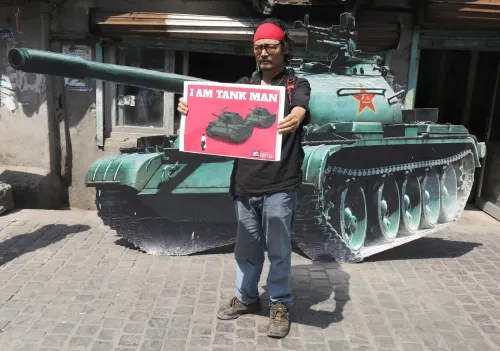
The Tiananmen crackdown on 3–4 June 1989 saw the Chinese army open fire on protesters in Beijing ; the full death toll has never been officially disclosed.
Amnesty International has condemned China for blocking family members of victims killed in the 1989 Tiananmen Square crackdown from visiting their loved ones' graves during the 37th anniversary on 4 June 2026, calling the move a 'heartless act.' The human rights organisation said Chinese authorities must be held accountable for the grave violations committed that day.
What Happened This Year
The Tiananmen Mothers group — comprising relatives of those killed in the crackdown — was notified by the Beijing Municipal Public Security Bureau on 2 June 2026 that members would not be permitted to visit Wan'an Cemetery in Beijing to pay tribute. The notice also barred the group from holding its customary commemorative activities marking the anniversary.
According to the group, this was the first time in more than three decades that authorities had prevented family members from visiting the graves of those killed. For over 30 years, the group had made the annual journey to Wan'an Cemetery under police escort to mourn, read memorial texts, and deliver eulogies.
Amnesty International's Condemnation
Sarah Brooks, Deputy Regional Director at Amnesty International, described the ban as deeply troubling. 'Banning the relatives of people killed in the Tiananmen crackdown from visiting their loved ones' graves is a heartless act by the Chinese authorities. The Tiananmen Mothers were not previously blocked from cemetery visits on the 4 June anniversary, and it is deeply troubling that this year the suppression of Tiananmen commemoration appears to be escalating — reflecting the government's deep-seated insecurity about people's demands for accountability,' she said.
Brooks added: 'For years the Chinese authorities have sought to erase the public's collective memory of the bloody events of 4 June 1989, but this latest prohibition is an attempt to stamp out even the personal memories of the victims' families. This suggests an approach that is increasingly hardline and devoid of compassion. To continually deny the truth about the Tiananmen crackdown is abhorrent, but to deny relatives the ability to mourn their dead shows another level of cruelty.'
Background: The 1989 Tiananmen Crackdown
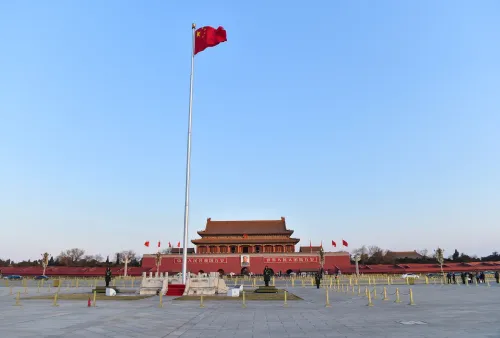
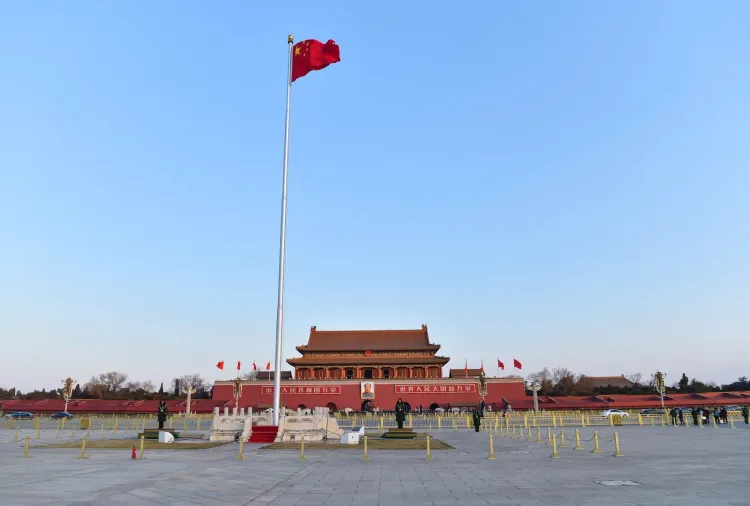
The events that led to what is widely referred to as the Tiananmen Massacre began in April 1989, when students, workers, and others gathered peacefully in Tiananmen Square, calling for free expression, democratic reform, and an end to corruption. On the night of 3–4 June 1989, the Chinese army opened fire on protesters and bystanders in Beijing, killing several people. The exact death toll remains disputed and has never been officially confirmed by Chinese authorities.
The Tiananmen Mothers group has for decades called on the Chinese government to reveal the full truth about the crackdown and demanded accountability for those responsible. Members have frequently been subjected to surveillance and other restrictions, particularly in the weeks leading up to each 4 June anniversary.
A Pattern of Escalating Suppression
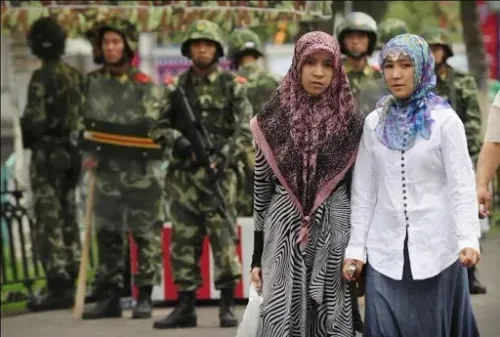
This year's ban marks a significant escalation. Previously, even as broader public commemorations were suppressed across mainland China, the Tiananmen Mothers had retained the limited right to make private cemetery visits. The revocation of that allowance signals what rights observers describe as an increasingly hardline posture by Beijing on any form of Tiananmen-related remembrance. Notably, similar crackdowns on anniversary-related activities have been observed in Hong Kong since the passage of the national security law in 2020, where the annual candlelight vigil — once the largest public commemoration outside mainland China — has been banned.
Amnesty International reiterated its demand that Chinese authorities allow families to commemorate those killed while exercising their right to protest.
Point of View
Heavily policed form of remembrance for over three decades, which made its revocation in 2026 all the more calculated. The escalation fits a broader pattern: as China's leadership grows more sensitive to any narrative of state accountability, even grief becomes a threat to be managed. The international community's condemnations have so far produced no behavioural change from Beijing, raising a harder question — whether naming and shaming, absent economic or diplomatic consequence, still functions as a deterrent.
NationPress
20 Sept 2026
Frequently Asked Questions
Why were the Tiananmen Mothers barred from visiting graves in 2026?
The Beijing Municipal Public Security Bureau notified the Tiananmen Mothers group on 2 June 2026 that they would not be permitted to visit Wan'an Cemetery or hold commemorative activities on the 37th anniversary of the crackdown. No official justification was made public; Amnesty International described it as part of an escalating effort to suppress Tiananmen remembrance.
What is the Tiananmen Mothers group?
The Tiananmen Mothers is a group made up of relatives of people killed during the 1989 Tiananmen Square crackdown. For over three decades, the group has campaigned for the Chinese government to reveal the truth about the crackdown, release a full list of victims, and hold those responsible accountable.
What happened during the 1989 Tiananmen Square crackdown?
Beginning in April 1989, students, workers, and others gathered peacefully in Beijing's Tiananmen Square to demand democratic reform, free expression, and an end to corruption. On the night of 3–4 June 1989, the Chinese army opened fire on protesters and bystanders. The exact death toll has never been officially confirmed by Chinese authorities.
Has this cemetery ban happened before?
No. According to the Tiananmen Mothers, this was the first time in more than three decades that authorities had barred family members from visiting the graves of those killed in the 1989 crackdown. Previous years saw the group make the visit under police escort.
What has Amnesty International demanded from China?
Amnesty International has demanded that Chinese authorities allow the families of Tiananmen victims to commemorate those killed while exercising their right to protest. It has also called for full accountability for the human rights violations committed during the June 4, 1989 crackdown.