Venezuela quake recovery: Los Teques Metro resumes, death toll at 2,295

Synopsis
All of Venezuela's major transit systems are back online after the devastating twin earthquakes of 24 June — but with 2,295 confirmed dead and tens of thousands still missing, the restoration of metro lines is a small foothold in what remains a sprawling humanitarian crisis. Jordan and Qatar are now airlifting 26 tonnes of medical and food aid into Caracas.
Key Takeaways
The Los Teques Metro resumed operations on 3 July , becoming the last transit system restored after the 24 June earthquakes in Venezuela .
The Caracas–Valles del Tuy railway and the Valencia Metro are also operating normally, confirmed by the Transport Ministry .
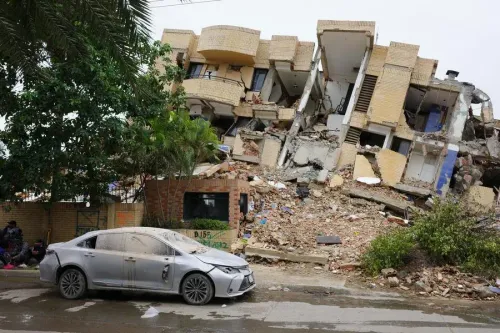
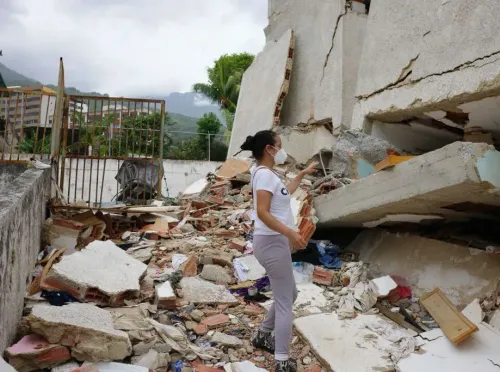
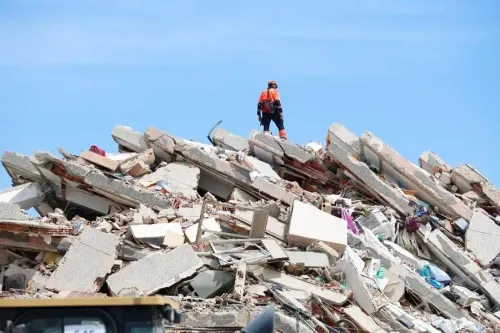
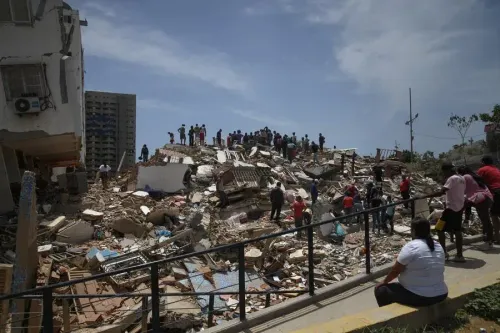
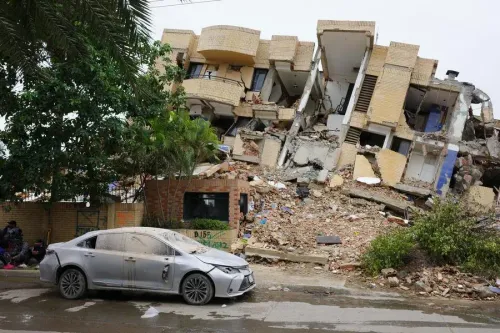
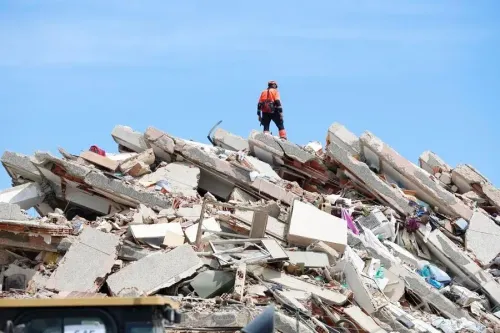
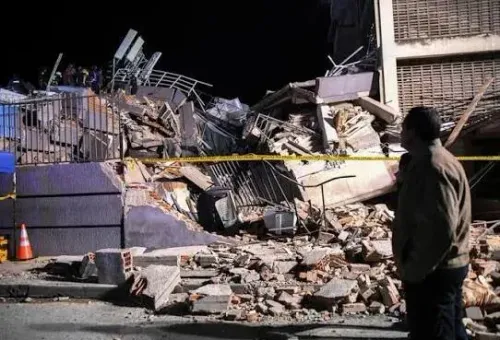
Twin earthquakes of magnitude 7.5 and 7.2 struck north of Caracas on 24 June , killing at least 2,295 people with tens of thousands still missing.
Severest infrastructure damage was recorded in the north-central state of La Guaira .
Jordan and Qatar jointly dispatched 26 tonnes of medical supplies, food, and rescue equipment to Caracas on Thursday , with a second aircraft scheduled for Friday .
Venezuela's Transport Ministry confirmed on 3 July that the Los Teques Metro — the last transit system suspended after the twin earthquakes of 24 June — has resumed operations, marking a significant milestone in the country's post-disaster recovery. The metro, which links the Miranda state capital of Los Teques with Caracas, was cleared for service following a round of structural evaluations and safety inspections.
Transit Systems Back Online
Beyond the Los Teques Metro, the Transport Ministry said the railway corridor connecting Caracas with the Valles del Tuy region in Miranda state is also operating normally. The Valencia Metro, serving Venezuela's third most populous city, has similarly returned to full service. The ministry shared the update via its official Instagram account.
The restoration of all transit lines signals a degree of operational normalcy returning to the country's central corridor, even as rescue and relief efforts continue in the hardest-hit areas.
Scale of the Disaster
Two earthquakes — measuring magnitude 7.5 and 7.2 — struck north of Caracas on 24 June, unleashing widespread destruction across Venezuela's north-central region. As of Wednesday, authorities confirmed the death toll had climbed to 2,295, with tens of thousands still reported missing. The north-central coastal state of La Guaira bore the most severe damage to road infrastructure, while Caracas and other central states sustained comparatively less extensive harm.
International Aid Flows In
Jordan, acting in cooperation with Qatar, dispatched a humanitarian relief consignment to Venezuela on Thursday, under directives from King Abdullah II. A Qatari C-17 military transport aircraft departed from Amman carrying 26 tonnes of specialised medical supplies for treating injuries, medical consumables, equipment, essential food items, and food parcels, according to a statement from the Jordanian Armed Forces.
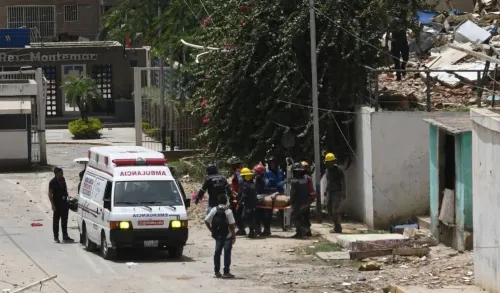
The shipment also included equipment for the Jordan International Search and Rescue Team, affiliated with the Public Security Directorate, which had already begun rescue operations in Venezuela earlier in the week. A second Qatari aircraft carrying a similar cargo of humanitarian, medical, and food assistance was scheduled to depart from Amman on Friday, the statement added.
What Comes Next
With transit services now fully restored, the focus shifts to rebuilding road infrastructure in La Guaira and accounting for the tens of thousands still missing. International aid operations are ongoing, and the scale of the disaster — among the deadliest seismic events in Venezuela's recent history — suggests recovery will extend well beyond the restoration of metro lines.
Point of View
But it risks overshadowing the human scale of what remains unresolved: a death toll of 2,295 and tens of thousands unaccounted for. Venezuela's disaster response is also drawing in Middle Eastern partners — Jordan and Qatar — whose involvement underscores both the severity of the crisis and the geopolitical breadth of Caracas's current relationships. What mainstream coverage tends to miss is the infrastructural vulnerability of Venezuela's north-central corridor, where years of deferred maintenance likely compounded earthquake damage. The real test of recovery will be road reconstruction in La Guaira, not metro timetables.
NationPress
1 Oct 2026
Frequently Asked Questions
What happened in Venezuela on 24 June?
Two powerful earthquakes measuring magnitude 7.5 and 7.2 struck north of Caracas on 24 June, causing widespread destruction across Venezuela's north-central region. The death toll had risen to 2,295 as of Wednesday, with tens of thousands still reported missing.
Has the Los Teques Metro fully resumed service after the earthquake?
Yes. Venezuela's Transport Ministry confirmed on 3 July that the Los Teques Metro has resumed operations following structural evaluations and safety inspections. It was the last transit system to return to service after the 24 June earthquakes.
Which other transit systems are now operational in Venezuela?
The railway connecting Caracas with the Valles del Tuy region in Miranda state and the Valencia Metro — serving Venezuela's third most populous city — are both operating normally, according to the Transport Ministry.
What international aid has been sent to Venezuela after the earthquakes?
Jordan, in cooperation with Qatar, dispatched a Qatari C-17 aircraft from Amman carrying 26 tonnes of medical supplies, food, and rescue equipment on Thursday. A second aircraft with similar cargo was scheduled to depart on Friday. The Jordan International Search and Rescue Team has also been conducting operations in Venezuela.
Which area of Venezuela suffered the most damage from the earthquakes?
The north-central coastal state of La Guaira sustained the most severe damage, particularly to road infrastructure. Caracas and other states in Venezuela's central region experienced comparatively less extensive harm.