Kevin Warsh Sworn In as 17th Federal Reserve Chairman
Synopsis
The White House confirmed that Kevin Warsh has been sworn in as the 17th Chairman of the Federal Reserve on 24 May 2026, succeeding Jerome Powell. Warsh, a former Fed Governor and Wall Street veteran, takes charge as markets await his first signals on US interest-rate and balance-sheet policy.
Key Takeaways
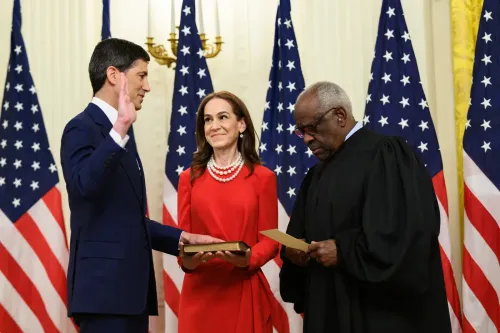
Kevin Warsh has been sworn in as the 17th Chairman of the Federal Reserve , as confirmed by the White House on 24 May 2026 .
Warsh succeeds Jerome Powell , who served as the 16th Chair since February 2018 , with his term running through 2026.
Warsh previously served as a Federal Reserve Governor from 2006 to 2011 and has a background at the US Treasury and Morgan Stanley .
The Federal Reserve , established in 1913 , sets US monetary policy through the FOMC , with global implications for emerging markets including India.
Markets and analysts will focus on Warsh's first FOMC meeting for early signals on interest-rate direction under the new leadership.
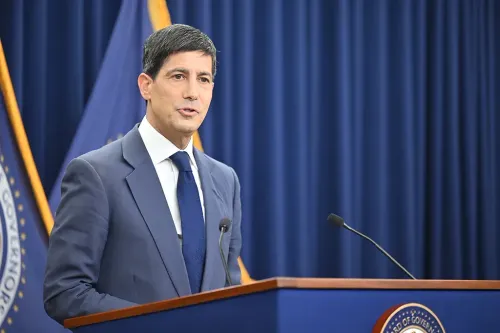
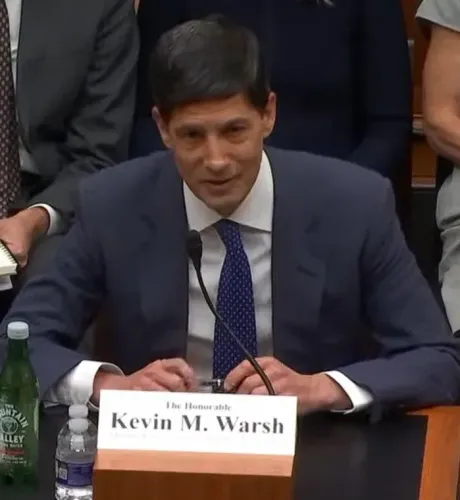
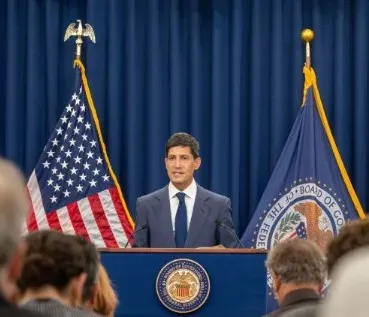
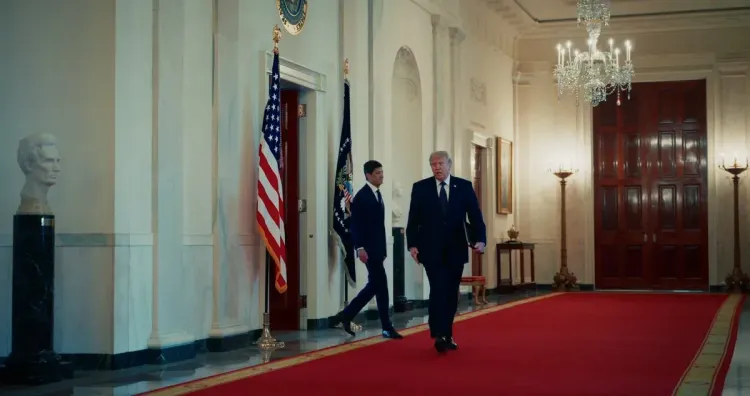
The White House announced on Saturday, 24 May 2026 that Kevin Warsh has been sworn in as the 17th Chairman of the Federal Reserve, marking a new chapter in the leadership of the United States' central banking system.
Context
Warsh succeeds Jerome Powell, who served as the 16th Chair of the Federal Reserve, having first been sworn in on 5 February 2018 and reappointed in 2022 for a term that ran through 2026. The transition places a familiar face at the helm: Warsh previously served as a Governor of the Federal Reserve Board from 2006 to 2011, giving him direct experience navigating the institution through the 2008 global financial crisis. Before his earlier Fed tenure, he held roles at the US Treasury Department and at Morgan Stanley.
Policy Backdrop
The Federal Reserve, created by Congress in 1913, is the central banking system of the United States, responsible for setting monetary policy, supervising banks, and maintaining financial stability. Fed Chair appointments are made by the President and must be confirmed by the Senate for renewable four-year terms. Historical transitions — such as Alan Greenspan succeeding Paul Volcker in 1987, and Ben Bernanke succeeding Greenspan in 2006 — have each reset market expectations around interest-rate trajectories and the Fed's broader policy priorities. Warsh's appointment is expected to attract similar scrutiny, particularly given the current macroeconomic environment.
Stakeholders and Impact
Financial markets and the banking sector will be watching Warsh's early signals closely. As a former Fed Governor with a Wall Street background, Warsh has historically been associated with a hawkish lean on monetary policy, though his precise policy stance as Chair remains to be articulated in official statements. For India and other emerging-market economies, Federal Reserve policy shifts carry significant weight: changes in US interest rates influence capital flows, currency valuations, and borrowing costs globally. Indian equity and currency markets have historically reacted sharply to Fed leadership transitions and any resulting pivot in rate guidance.
What's Next
The immediate focus will be on the next Federal Open Market Committee (FOMC) meeting, where Warsh will chair deliberations on interest rates and the Fed's balance sheet for the first time. Analysts will parse his opening remarks and any press conference statements for signals on whether the new leadership intends to maintain, tighten, or ease the current monetary policy stance. A formal policy address or congressional testimony from Warsh is likely to follow in the coming weeks, providing markets with their clearest read yet on the direction of US monetary policy under his stewardship.
Point of View
But markets will be alert to any divergence from Powell's gradualist approach. For India and other emerging economies, the transition is a reminder that the most consequential monetary decisions affecting their currencies and capital flows are made in Washington, not their own capitals. The appointment fits a broader pattern of US administrations seeking to imprint their economic philosophy on the Fed through the Chair selection, even as the institution's formal independence remains intact.
NationPress
13 Oct 2026
Frequently Asked Questions
Who is Kevin Warsh and why is he significant?
Kevin Warsh is the newly sworn-in 17th Chairman of the Federal Reserve. He previously served as a Federal Reserve Governor from 2006 to 2011 and has a background at the US Treasury and Morgan Stanley, making him a seasoned figure in US financial policy.
Who did Kevin Warsh replace as Federal Reserve Chair?
Kevin Warsh replaced Jerome Powell, who served as the 16th Chair of the Federal Reserve from February 2018 until 2026.
How does a Federal Reserve Chair get appointed?
The Federal Reserve Chair is nominated by the US President and must be confirmed by the Senate. The Chair serves a renewable four-year term.
How does the Federal Reserve Chair change affect India?
Federal Reserve policy decisions, including interest-rate changes, directly influence global capital flows and currency valuations. A shift in Fed leadership can alter the trajectory of US monetary policy, affecting India's rupee, equity markets, and foreign investment flows.
What will Kevin Warsh focus on first as Fed Chair?
Analysts expect Warsh's first major test to be the next Federal Open Market Committee meeting, where he will chair discussions on US interest rates and the Fed's balance sheet, with markets watching closely for any policy signals.