Shekhawat: Vande Mataram now a resolve anthem for Viksit Bharat
Synopsis
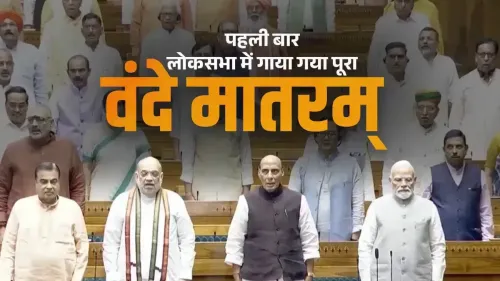
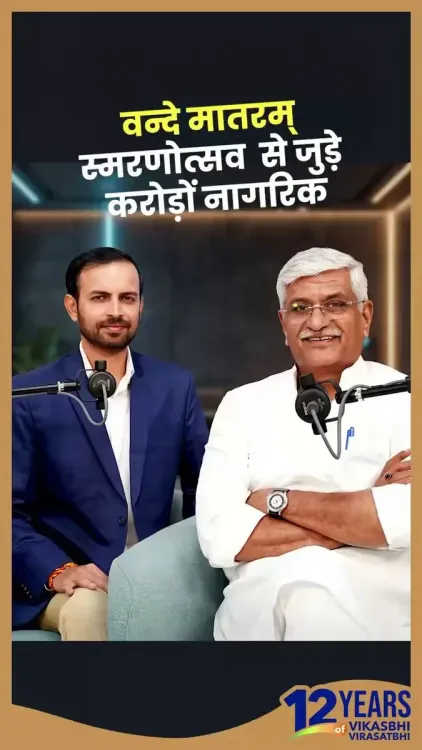
Union Culture Minister Gajendra Singh Shekhawat has hailed Vande Mataram as a song of resolve for the Viksit Bharat vision, saying PM Modi wished the national song would inspire India's journey to becoming a developed nation by 2047.
Key Takeaways
Union Culture and Tourism Minister Gajendra Singh Shekhawat posted on 18 June 2026 invoking Vande Mataram as an anthem for the Viksit Bharat goal.
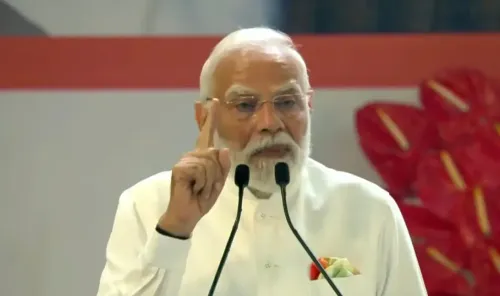
He credited PM Narendra Modi with the intent to make the national song a source of inspiration for a developed India.
The post marks 12 years of the government's Vikas Bhi Virasat Bhi ('Development as well as Heritage') agenda.
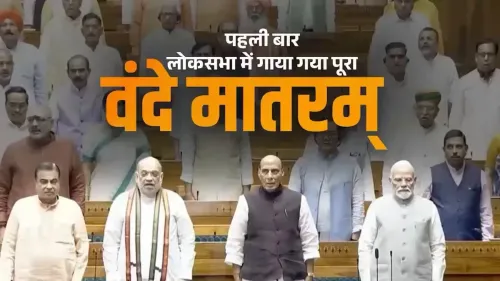
Vande Mataram , composed by Bankim Chandra Chatterjee , has been a recurring centrepiece of central government cultural campaigns since 2014 .
The Viksit Bharat vision targets a fully developed India by 2047 , the centenary of Independence.
Mass recitation events and possible inclusion of the song in school curricula are being watched as likely next steps ahead of Independence Day 2026 .
Union Culture and Tourism Minister Gajendra Singh Shekhawat on Thursday, 18 June 2026, invoked the national song Vande Mataram as a living anthem of collective resolve for the government's Viksit Bharat vision, crediting Prime Minister Narendra Modi with the intent to make the song a source of inspiration for a developed India.
Context
Posting on X with the hashtags #12YearsOfVikasBhiVirasatBhi and #CultureUnitesAll, Shekhawat wrote: 'Vande Mataram' viksit Bharat ke liye bhi prerna geet bane, yeh Modi ji chahte the — loosely translated as, 'Modi ji wished that Vande Mataram become a song of inspiration for a developed India too, and today it resonates on everyone's lips like a voice of resolve.' The post marks what the hashtag frames as 12 years of the ruling government's dual-track agenda of development and heritage.
The national song, composed by Bankim Chandra Chatterjee in the nineteenth century and first sung at the Indian National Congress session of 1896, has long carried deep emotional and political weight in India. Its periodic revival in state-led campaigns underscores its symbolic importance as a marker of national identity.
Policy Backdrop
Since 2014, the central government has run successive campaigns encouraging mass public recitation and singing of Vande Mataram on national occasions, positioning cultural symbols as pillars of social cohesion alongside economic programmes. The Ek Bharat Shreshtha Bharat programme, launched in 2015, formalised this approach by weaving shared heritage events across states into a single national narrative.
The broader Viksit Bharat vision — targeting a fully developed India by 2047, the centenary of Independence — explicitly couples infrastructure and welfare delivery with the promotion of national values and heritage. The Ministry of Culture has been a key vehicle for translating this dual mandate into public campaigns, museum upgrades, and cultural festivals.
The slogan Vikas Bhi Virasat Bhi ('Development as well as Heritage') encapsulates the government's argument that economic ambition and cultural pride are mutually reinforcing, not competing, priorities.
Stakeholders and Impact
For Indian citizens and cultural organisations, the minister's statement signals continued institutional support for embedding national symbols in everyday public life — from school assemblies to tourism circuits. Cultural bodies and state governments that have partnered with the Ministry of Culture on heritage campaigns are likely to receive renewed direction ahead of major national dates.
The framing also carries political resonance for the BJP, which has consistently presented cultural nationalism as complementary to its development record. By tying Vande Mataram explicitly to the Viksit Bharat goal, the party reinforces a message that national pride and economic aspiration are two sides of the same coin.
What's Next
Observers will watch whether the Ministry of Culture announces structured programming around Vande Mataram in the run-up to Independence Day 2026, including possible mass recitation events or its integration into school curricula and tourism circuits. Any formal directive from the PMO or the Ministry expanding the song's role in official programming would be the clearest signal that the sentiment expressed in Shekhawat's post is translating into policy action.
As India approaches the 2047 centenary milestone, the government's use of cultural symbols as motivational tools for national development is expected to intensify, with Vande Mataram likely to feature prominently in the official narrative arc.
Point of View
Reinforcing the BJP's long-held argument that heritage and development are inseparable. By attributing the Vande Mataram revival directly to the Prime Minister's personal wish, the minister elevates it from a bureaucratic campaign to a leader-driven mission — a framing that strengthens the party's cultural-nationalist credentials ahead of Independence Day. The move also positions the Ministry of Culture as an active participant in the Viksit Bharat narrative, not merely a custodian of the past. Analysts will note that the consistent use of such symbols serves a dual purpose: building social cohesion domestically while projecting a confident civilisational identity on the global stage.
NationPress
20 Sept 2026
Frequently Asked Questions
Why is Vande Mataram being linked to Viksit Bharat?
The government frames Vande Mataram as a motivational anthem for India's development journey to 2047, arguing that cultural pride and economic ambition reinforce each other under the Vikas Bhi Virasat Bhi policy.
What did Gajendra Singh Shekhawat say about Vande Mataram?
Shekhawat said PM Modi had wished for Vande Mataram to become a song of inspiration for a developed India, and that today it resonates on everyone's lips like a voice of resolve.
What is the Viksit Bharat vision?
Viksit Bharat is the Indian government's official goal of making India a fully developed nation by 2047, the centenary of Independence, combining economic growth with the promotion of national heritage and values.
What is the significance of the hashtag 12YearsOfVikasBhiVirasatBhi?
The hashtag marks 12 years of the Modi government's dual agenda of development and heritage promotion, encapsulated in the slogan Vikas Bhi Virasat Bhi, meaning 'Development as well as Heritage'.
What government programmes have promoted Vande Mataram in recent years?
Since 2014, the central government has run campaigns encouraging mass public singing of Vande Mataram on national occasions, and the Ek Bharat Shreshtha Bharat programme launched in 2015 has used shared heritage events to strengthen cultural links across states.