WHCD Shooting: Security Gaps Exposed After Cole Allen's Breach
Synopsis
A registered hotel guest smuggled a shotgun, handgun, and knives into the Washington Hilton and breached Secret Service outer defences at the White House Correspondents' Dinner on April 26 — exposing a critical blind spot in how America secures its most high-profile political events.
Key Takeaways
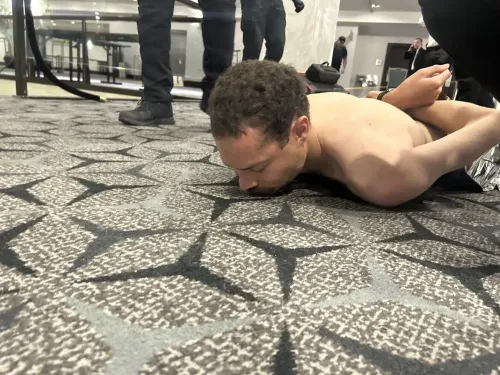
Cole Allen, 31 , a registered guest at the Washington Hilton , breached the outer security perimeter at the White House Correspondents' Dinner on April 26 armed with a shotgun, handgun, and knives .
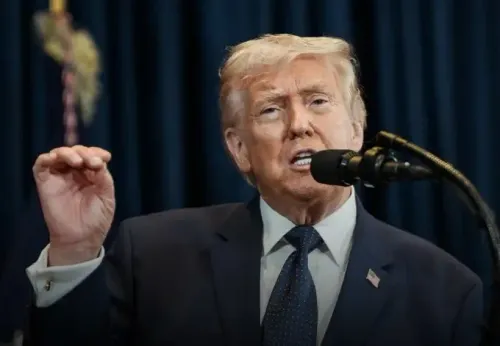
President Donald Trump and the Vice President were present at the event but were not harmed; Allen never reached the main ballroom.
Former D.C. police detective Ted Williams described outer security as "somewhat lax" and questioned how Allen transported weapons into the hotel undetected.
Acting Attorney General Todd Blanche defended the response, stating "the system worked" , citing the robust inner perimeter around senior officials.
The Secret Service has launched a "comprehensive review" of the incident, with spokesman Anthony Guglielmi confirming the measures were critical in containing the threat.
Security experts warn the case exposes a structural vulnerability when high-profile events are held in commercial hotels that remain open to regular paying guests.
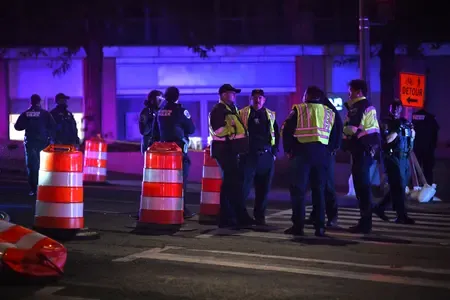
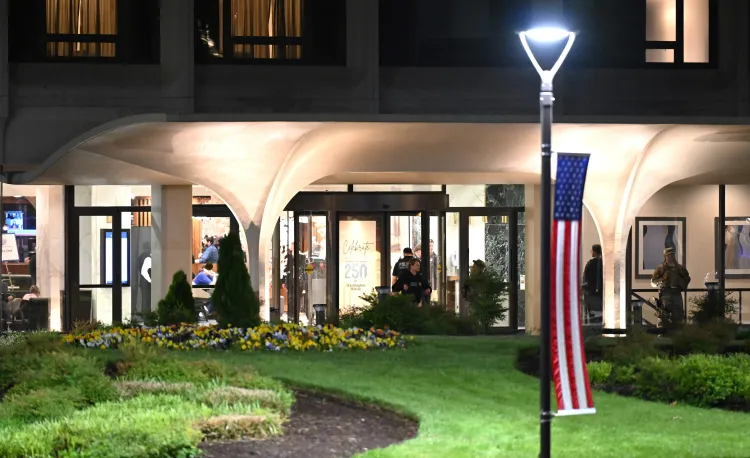
Washington, April 26 — A brazen security breach at the White House Correspondents' Dinner (WHCD) has triggered urgent scrutiny of protective protocols after 31-year-old Cole Allen, a registered hotel guest, smuggled multiple weapons into the Washington Hilton and opened fire near a Secret Service checkpoint. The incident, which unfolded on April 26, rattled one of Washington's most high-profile annual gatherings, attended by President Donald Trump, senior administration officials, and hundreds of journalists.
How the Breach Unfolded
Authorities confirmed that Allen had checked into the Washington Hilton as a regular hotel guest before the event commenced, a detail that investigators now believe allowed him to smuggle weapons — including a shotgun, a handgun, and knives — into the property well ahead of heightened security deployment.
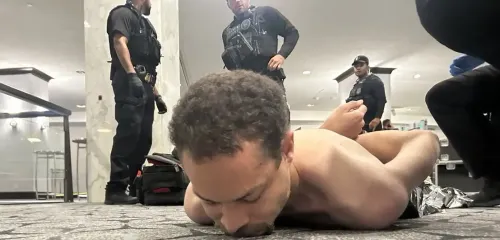
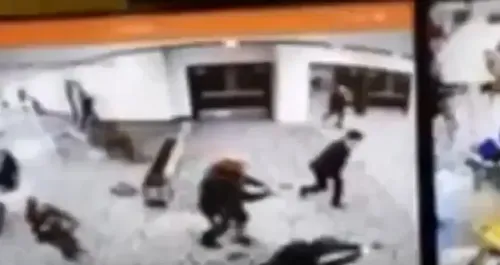
He subsequently rushed a Secret Service checkpoint armed with the cache of weapons before discharging his firearm. Law enforcement officials confirmed that Allen was intercepted near the outer security perimeter and never reached the main ballroom where top officials were present.
This critical distinction — between the outer and inner security rings — has become the central fault line in the post-incident debate over whether existing protocols were adequate for an event of this scale.
Former Officials Flag Vulnerabilities
Former Washington D.C. police detective Ted Williams, speaking to Fox News, described the outer security arrangements as "somewhat lax to some degree, where you had these soft areas." He specifically questioned how a hotel guest could transport weapons into the property undetected.
"But when you have a guy that, like, Cole Allen here, actually living, actually having a room there… one of the first things that came to mind for me was how did he get these weapons in that hotel?" Williams said.
Williams also raised concerns about crowd density inside the ballroom, warning the situation could have turned "very catastrophic" had the attacker penetrated deeper into the venue. "There were too many people in that ballroom at any one given time," he added.
Reports from Fox News and NBC News indicated that while the ballroom area maintained tight access controls, other parts of the hotel remained relatively unrestricted — a structural challenge given that the Washington Hilton typically continues operating as a functioning hotel for regular guests during the annual dinner.
Officials Defend Core Security Response
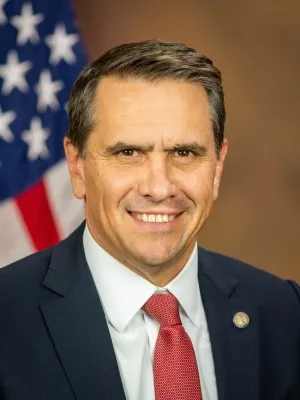
Acting Attorney General Todd Blanche pushed back against characterisations of a systemic failure, arguing that the layered security architecture ultimately prevented a far deadlier outcome. "The system worked. All of us were safe. President Trump was safe," he said in interviews cited by The Washington Post and The New York Times.
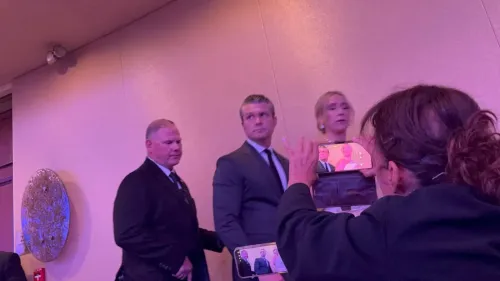
Blanche credited the density of protection around the inner perimeter, noting that the presence of the Vice President and other senior leadership necessitated a "robust security surrounding the place."
The Secret Service announced it has launched a "comprehensive review" of the incident. Spokesman Anthony Guglielmi stated that the measures deployed were "critical in mitigating the threat and preventing significant harm," according to The Wall Street Journal.
The Structural Security Challenge at the Washington Hilton
The White House Correspondents' Dinner, held annually since 1921, presents a uniquely complex security environment. Unlike purpose-built secure venues, the Washington Hilton is a commercial hotel that remains open to paying guests even during the high-profile event, creating an unavoidable tension between operational hospitality and airtight security.
This hybrid environment means that any registered guest — like Allen — occupies a grey zone between routine hotel visitor and potential threat actor. Standard pre-event security sweeps of individual rooms are not uniformly applied to all guests, creating windows of opportunity that bad actors can exploit by checking in days in advance.
Notably, this is not the first time the WHCD's security model has drawn scrutiny. Critics have long argued that the event's open-hotel format creates inherent vulnerabilities that no amount of perimeter hardening can fully neutralise without fundamentally altering how the venue operates during the dinner.
Broader Implications for High-Profile Event Security
The April 26 incident exposes a critical gap in how the United States Secret Service and local law enforcement coordinate security for large-scale events held within commercial hospitality venues. The challenge is not unique to Washington — similar tensions exist at major summits, state dinners, and international conferences worldwide.
Security analysts argue that the Cole Allen case will likely accelerate calls for mandatory pre-event room inspections for all hotel guests when a protectee of presidential or vice-presidential rank is present — a measure that would significantly raise the operational and legal complexity of event security planning.
The Secret Service's comprehensive review is expected to produce new protocols that could reshape how future WHCD events — and similar high-density gatherings — are secured. Congressional oversight committees are also likely to request briefings, given that sitting senior officials including the President were in proximity to the breach.
Point of View
The next incident may not stop at the outer perimeter.
NationPress
18 Sept 2026
Frequently Asked Questions
What happened at the White House Correspondents' Dinner on April 26?
On April 26, a gunman identified as 31-year-old Cole Allen breached the outer security perimeter at the White House Correspondents' Dinner held at the Washington Hilton and opened fire near a Secret Service checkpoint. Allen, who was a registered hotel guest, had allegedly smuggled a shotgun, handgun, and knives into the property before the event.
How did Cole Allen get weapons into the Washington Hilton?
Authorities believe Cole Allen checked into the Washington Hilton as a regular hotel guest before heightened security was deployed, allowing him to bring weapons in ahead of time. Former D.C. detective Ted Williams flagged this as a critical gap, questioning how standard security protocols failed to detect the weapons during his stay.
Was President Trump in danger at the WHCD shooting?
Acting Attorney General Todd Blanche confirmed that Allen never reached the ballroom where President Trump and other senior officials were present. Blanche stated, 'The system worked. All of us were safe. President Trump was safe,' crediting the inner security perimeter for preventing harm.
What is the Secret Service doing after the WHCD security breach?
The Secret Service has launched a comprehensive review of the April 26 incident. Spokesman Anthony Guglielmi said the security measures in place were 'critical in mitigating the threat and preventing significant harm,' according to The Wall Street Journal.
Why is security at the White House Correspondents' Dinner so difficult?
The White House Correspondents' Dinner is held at the Washington Hilton, a commercial hotel that continues operating for regular guests during the event, creating a complex security environment. This means registered guests occupy a grey zone between ordinary visitors and potential threats, making comprehensive pre-event weapons screening logistically challenging.