White House Backs Freedom Haulers to Move Veterans into Trucking
Synopsis
The White House endorsed the Trump Administration's Freedom Haulers initiative on August 9, 2026, which aims to ease veterans' transition into commercial trucking by recognising their military driving and logistics experience, with support from both veterans' groups and the trucking industry.
Key Takeaways
Freedom Haulers is a Trump Administration initiative designed to streamline veterans' entry into commercial trucking careers.
The programme recognises military driving and logistics experience as equivalent to civilian CDL qualifications.
Both veterans' groups and trucking industry organisations have expressed support for the initiative.
The policy builds on a lineage dating to the VOW to Hire Heroes Act of 2011 , which expanded veteran employment programmes.
The dual goals are reducing veteran unemployment and addressing the trucking industry's persistent driver shortage .
Enrolment figures and state-level CDL regulatory changes will be the key metrics to watch for programme effectiveness.
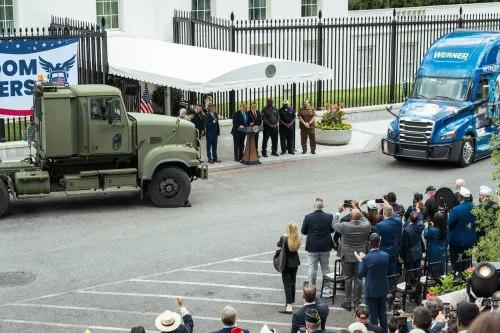
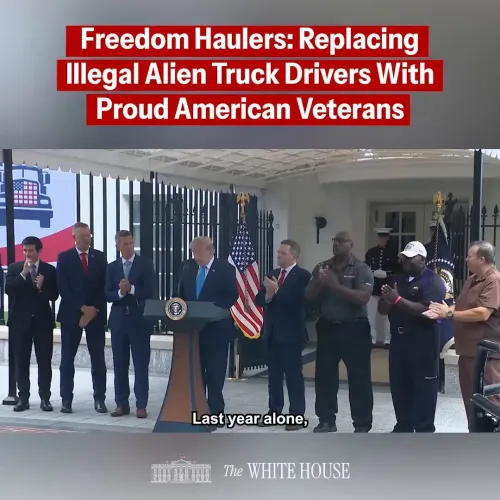
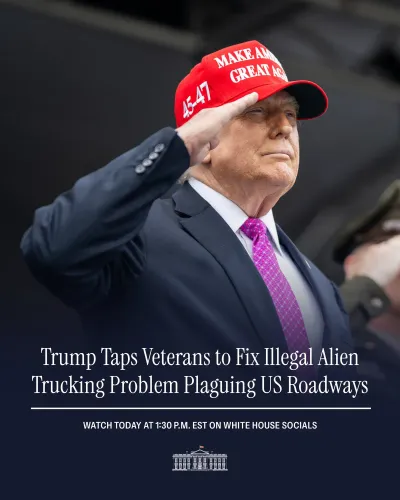
A new federal initiative is turning military service records into truck keys — and both veterans' groups and the trucking industry are signalling their support. The White House on Sunday, August 9, 2026, voiced appreciation for the Trump Administration's Freedom Haulers programme, which aims to streamline the path for veterans transitioning out of military service and into commercial trucking careers.
What Freedom Haulers Is Designed to Do
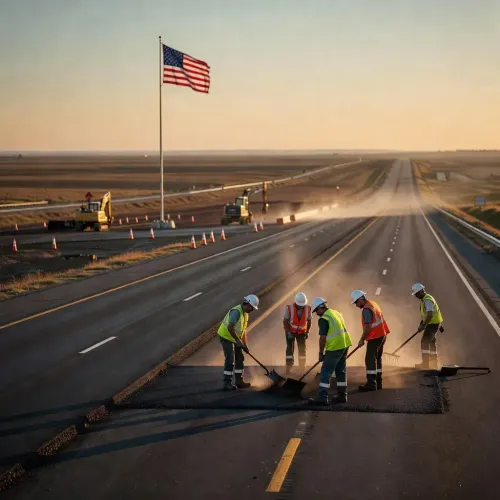
The core logic of Freedom Haulers is straightforward: veterans who have spent years operating heavy military vehicles and managing complex logistics already possess skills that civilian trucking demands. The initiative seeks to formally recognise that experience, reducing the bureaucratic friction veterans typically face when converting military credentials into a commercial driver's licence (CDL).
The White House post noted that 'veterans and trucking groups back Freedom Haulers, delivering jobs for heroes and safer roads for everyone' — framing the programme as a dual-benefit play: lower veteran unemployment and a more experienced driver pool on American highways.
A Long Road: Veteran Employment Policy in the U.S.
This is not the first time Washington has tried to bridge the military-to-civilian employment gap. The VOW to Hire Heroes Act of 2011 laid early groundwork, expanding training programmes, tax credits for employers, and skills-translation tools to ease veteran job placement. Trucking has consistently been flagged as a high-fit sector — the industry faces a persistent driver shortage, while the military produces tens of thousands of vehicle operators and logistics specialists every year.
Programmes of this type carry a dual mandate: cutting veteran joblessness, which has historically spiked in the first year after separation from service, and plugging a civilian labour gap that affects supply chains across the country.
What Comes Next for the Programme
The real test will be in the numbers. Analysts tracking veteran workforce policy will be watching enrolment figures closely, as well as any state-level regulatory changes to CDL licensing requirements for veterans — since licencing is governed at the state level, federal intent alone does not guarantee a smooth on-ramp everywhere.
Industry and veterans' advocacy groups have historically been aligned on these proposals; the harder lift is translating White House endorsement into standardised, nationwide implementation that actually reaches separating service members before they drift toward unemployment.
If Freedom Haulers delivers on its promise, it could set a template for recognising military occupational specialties across other high-demand civilian sectors — putting the broader question of credential translation back at the centre of veteran transition policy.
Point of View
Giving this initiative more structural staying power than symbolic veteran programmes that lack industry buy-in. The harder political question is whether the White House can move state licensing boards — where CDL authority actually sits — fast enough to match the programme's ambitions. If it can, Freedom Haulers could become a model for credential-recognition reform well beyond trucking.
NationPress
10 Aug 2026
Frequently Asked Questions
What is the Freedom Haulers programme?
Freedom Haulers is a Trump Administration initiative that aims to make it easier for military veterans to enter the commercial trucking industry by recognising their military driving and logistics experience, reducing the steps needed to obtain a civilian commercial driver's licence.
Who supports the Freedom Haulers initiative?
Both veterans' organisations and trucking industry groups have expressed support for Freedom Haulers, according to the White House, which endorsed the programme on August 9, 2026.
Why are veterans well-suited for commercial trucking jobs?
Many veterans have extensive experience operating heavy vehicles and managing logistics during military service, skills that directly translate to commercial trucking — making them strong candidates without requiring full civilian retraining.
How does Freedom Haulers relate to past US veteran employment laws?
It builds on a policy tradition that includes the VOW to Hire Heroes Act of 2011, which expanded training, tax credits, and skills-translation programmes to reduce veteran unemployment and ease their entry into civilian careers.
What will determine if Freedom Haulers succeeds?
Key indicators will be enrolment figures for the programme and whether individual US states update their commercial driver's licence regulations to formally recognise military driving credentials, since licencing is controlled at the state level.