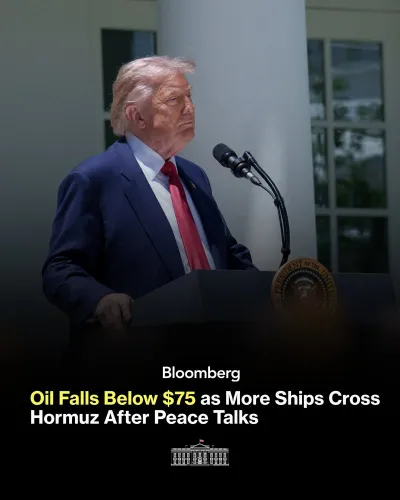
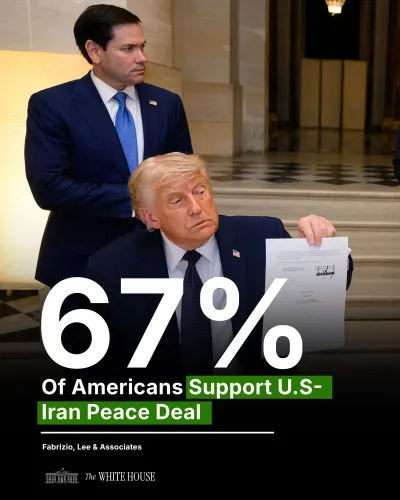
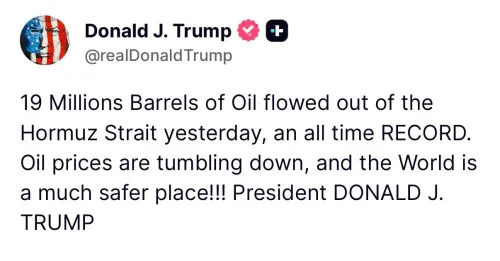
White House Hails Falling Oil Prices on July 4 Eve
Synopsis
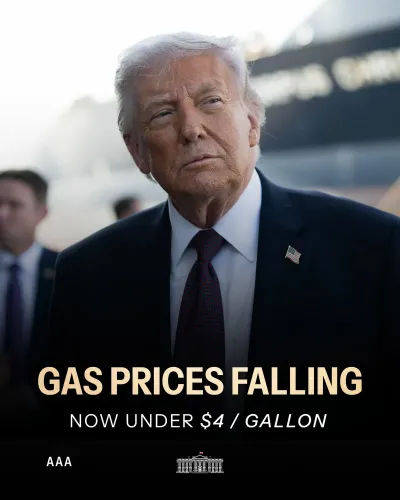
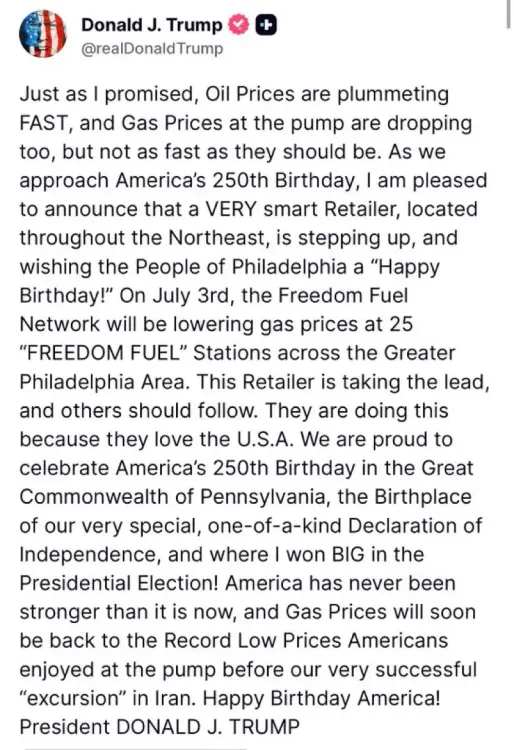
The White House posted on 2 July 2026 that oil prices are 'plummeting FAST,' pairing the economic note with an early Independence Day greeting. The announcement carries implications for American consumers, global energy markets, and India's import costs.
Key Takeaways
The White House posted on 2 July 2026 that oil prices are 'plummeting FAST,' two days before US Independence Day .
The post tied falling energy prices to a patriotic milestone, a communication pattern seen across multiple US administrations.
OPEC+ production decisions, US shale output , and geopolitical factors are the primary levers of global crude pricing.
The Strategic Petroleum Reserve has been used in the past to manage price surges, though no such action has been confirmed for the current period.
A sustained decline in crude prices would benefit American consumers at the pump while creating revenue pressure for energy-producing nations.
For India , lower global oil prices ease import costs and can help moderate domestic inflation.
The White House, the official communications account of the Executive Office of the President of the United States, posted on X on 2 July 2026 noting a sharp decline in oil prices while simultaneously marking the approach of Independence Day with a birthday greeting to the nation.
Context
The post read: 'Oil prices are plummeting FAST! Happy Birthday America!' — a two-line message that tied a market development to the patriotic calendar. The timing, just two days before 4 July, the United States' Independence Day, was deliberate, framing the price movement as a gift to American consumers ahead of a major national holiday.
Oil prices directly affect the cost of gasoline at the pump, a metric closely watched by American households. A rapid decline in crude prices typically translates within days to lower fuel costs, giving the development immediate political and economic salience.
Policy Backdrop
The United States is simultaneously one of the world's largest oil producers and consumers, meaning domestic output from shale formations, decisions by OPEC+ — the group of oil-producing nations that coordinates production quotas — and broader geopolitical events all feed into price movements. US administrations have historically highlighted periods of lower energy prices as evidence of sound energy policy.
The Strategic Petroleum Reserve (SPR), the US government's emergency crude stockpile, has in the past been deployed to cool price surges. In 2022, the previous administration authorised multiple SPR releases to counter spikes that followed Russia's invasion of Ukraine. Whether any such mechanism is active in the current price decline has not been confirmed by official statements beyond this post.
Stakeholders and Impact
American consumers stand to benefit most directly from falling crude prices through reduced costs at fuel stations, lower airline ticket prices, and cheaper goods transported by road and air. Energy producers, by contrast, face margin pressure when prices drop sharply, potentially affecting drilling investment and employment in oil-producing states.
OPEC+ member nations, many of which calibrate national budgets to a target oil price, also face revenue stress during sharp downturns. Global commodity markets, including India's import bill — India imports roughly 85 per cent of its crude oil needs — are sensitive to sustained moves in international prices. A prolonged decline in crude would ease India's current account and help moderate domestic fuel and inflation pressures.
What's Next
The next monthly petroleum status report from the US Energy Information Administration (EIA) will provide data on inventory levels, production figures, and demand trends that could clarify the drivers behind the current price movement. Any formal White House statement on production policy, SPR usage, or engagement with OPEC+ will be closely watched by energy markets globally.
Posts linking economic data to national holidays follow a pattern of framing market movements within patriotic narratives — a communication strategy that tends to intensify around major US holidays. Whether the price decline proves durable or reflects short-term volatility will determine the political weight the administration can attach to it through the 4 July weekend and beyond.
Point of View
Making this post consistent with a long-standing communication playbook. For India and other major crude importers, the signal matters beyond US domestic politics: a sustained drop in oil prices would ease import bills and reduce inflationary pressure. The durability of the decline, however, hinges on OPEC+ response and US production levels — factors that a single social media post cannot resolve.
NationPress
2 Jul 2026
Frequently Asked Questions
Why are oil prices falling in July 2026?
The White House has noted that oil prices are dropping sharply, but has not specified the exact cause. Factors that typically drive price declines include increased US shale production, OPEC+ output decisions, and shifts in global demand.
How does a fall in US oil prices affect India?
India imports roughly 85 per cent of its crude oil needs, so a sustained fall in global oil prices reduces the country's import bill, eases pressure on the rupee, and can help lower domestic fuel and inflation costs.
What is the Strategic Petroleum Reserve and could it be involved?
The Strategic Petroleum Reserve is the US government's emergency crude stockpile. It has been released in the past to cool price spikes, but no official statement has confirmed its involvement in the current price movement.
What is OPEC+ and how does it influence oil prices?
OPEC+ is a coalition of major oil-producing nations that coordinates production quotas. When the group cuts output, prices tend to rise; when it raises output or members overproduce, prices typically fall.
When is America's Independence Day and why did the White House mention it?
America's Independence Day, commonly called the Fourth of July, falls on 4 July each year. The White House posted on 2 July 2026, pairing the oil price news with an early 'Happy Birthday America' greeting ahead of the holiday.