What Warnings is the White House Issuing to Cuba Ahead of Talks?
Synopsis
As diplomatic discussions between the US and Cuba draw nearer, the White House has responded to skepticism from Cuba's leadership. With President Trump open to engagement, will these talks pave the way for a new chapter in US-Cuba relations? Discover the latest updates on this evolving situation.
Key Takeaways
US-Cuba talks are reportedly ongoing.
President Trump remains open to diplomacy.
Cuban leadership demands dialogue on equal footing.
Press Secretary Leavitt warns Cuba about its political situation.
Historical tensions shape current relations.
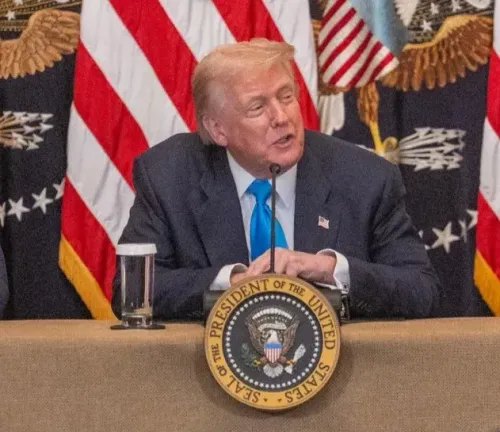
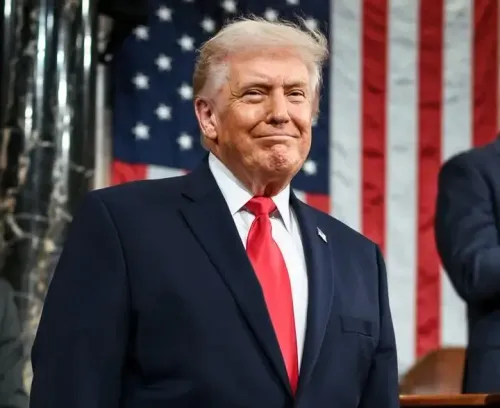
Washington, February 6 (NationPress) The White House dismissed doubts raised by Cuba’s leadership regarding the upcoming US-Cuba discussions, asserting that President Donald Trump is receptive to diplomatic efforts and indicating that negotiations may already be in progress.
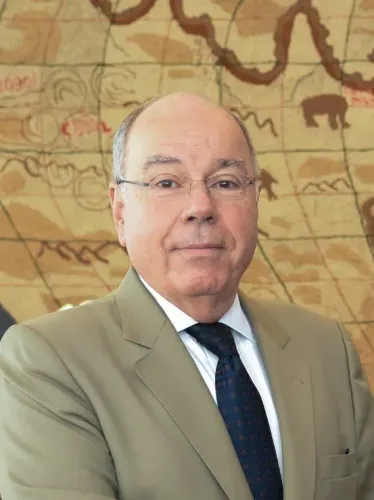
A reporter highlighted comments from Cuban leader Miguel Díaz-Canel, who stated that Cuba would only participate in dialogue with the United States “without pressure, without preconditions, on equal footing and with respect for sovereignty,” as his administration refuted Trump’s assertion that discussions are currently happening.
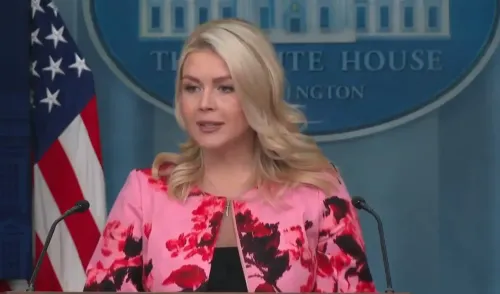
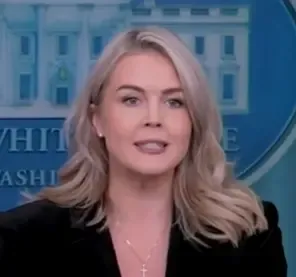
Press Secretary Karoline Leavitt issued a pointed warning to Havana, remarking, “Given that the Cuban government is on its last leg and the country is nearing collapse, they should be prudent in their remarks aimed at the president of the United States.”
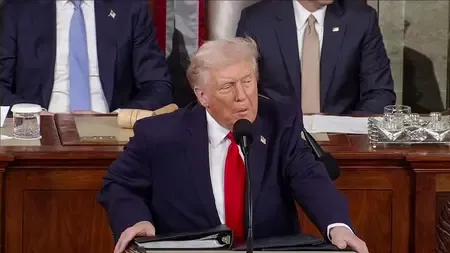
Leavitt reiterated Trump’s stance, saying, “As I have mentioned, the president is always willing to engage in diplomacy.”
She further claimed that negotiations are indeed taking place at this moment. “I believe this is currently happening with the Cuban government,” Leavitt stated.
However, Leavitt did not specify the channels for these discussions or any topics slated for the agenda. She also did not respond to Díaz-Canel’s call for “no preconditions,” aside from affirming Trump’s inclination towards diplomacy.
This exchange occurred during a comprehensive briefing where the White House addressed various national security matters, with Leavitt consistently highlighting the administration’s preference for engagement—albeit on its own terms.
The relationship between the US and Cuba has been historically tense, characterized by decades of sanctions and fluctuating levels of interaction. Diplomatic relations were officially resumed in the mid-2010s, yet numerous restrictions persisted, and policies have shifted across different administrations.
The ongoing economic challenges and political pressures in Cuba have continuously influenced the dynamics of bilateral interactions, encompassing migration-related coordination and limited diplomatic engagement.
Point of View
We recognize the complexities in US-Cuba relations, shaped by historical tensions and ongoing economic challenges. The current diplomatic exchanges signal a potential shift, but we advise caution as we navigate this intricate landscape.
NationPress
30 Sept 2026
Frequently Asked Questions
What is the current status of US-Cuba talks?
The White House has indicated that diplomatic engagement is underway, despite skepticism from Cuba's leadership.
What did Miguel Díaz-Canel state about the talks?
Díaz-Canel emphasized that Cuba would only engage in dialogue without pressure and on equal footing.
What warning did Press Secretary Karoline Leavitt issue?
Leavitt warned the Cuban government to be prudent in their statements, given their precarious situation.
How have US-Cuba relations evolved over the years?
Relations have been historically tense with sanctions and policy shifts, although diplomatic ties were restored in the mid-2010s.
What challenges are currently facing Cuba?
Cuba is experiencing ongoing economic strains and political pressures that affect bilateral relations.