White House unveils DOJ Model Cities Initiative to curb violent crime
Synopsis
The White House on June 3, 2026 unveiled the Department of Justice's Model Cities Initiative, described by President Donald J. Trump as the next step in the administration's effort to slash violent crime and restore law and order across major American cities. Participating cities and funding details were not specified in the announcement.
Key Takeaways
The White House announced the DOJ's Model Cities Initiative on June 3, 2026.
Trump framed it as the next step in the administration's 'war on crime'.
The stated goals are to slash violent crime and restore law and order in major U.S. cities.
The post did not name participating cities, budget figures, or a rollout timeline.
The initiative extends a federal-support-for-local-policing lineage seen in Operation Legend in July 2020.
Next signals to watch: DOJ city selections and any related requests to the U.S.
The White House on June 3, 2026 announced the launch of the Department of Justice's Model Cities Initiative, a federal programme that the administration says is designed to reduce violent crime and restore public order in major American cities. The announcement was made on the official communications channel of the Executive Office of the President of the United States, presenting the move as the next phase of President Donald J. Trump's public safety agenda.
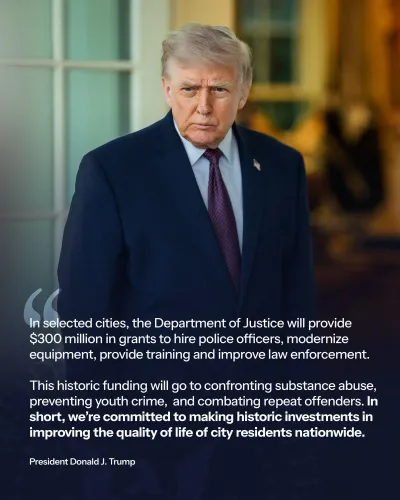
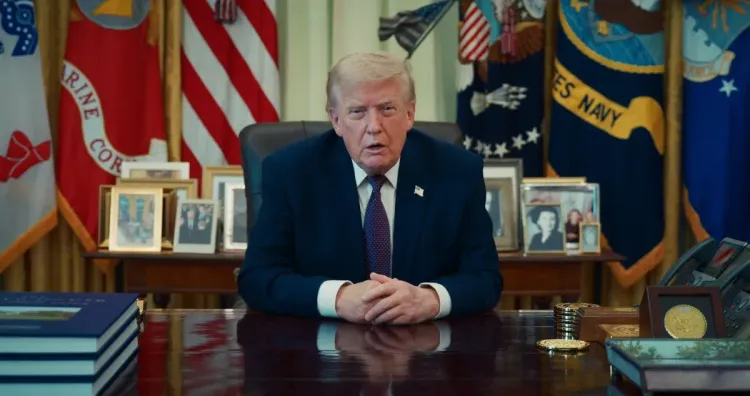
In the post, the White House said President Donald J. Trump 'announces the next step in the administration's successful war on crime: the Department of Justice's Model Cities Initiative, designed to slash violent crime and RESTORE LAW AND ORDER in major cities across America.' An accompanying video was shared with the message. Specific city participation lists, funding amounts and operational timelines were not disclosed in the post itself.
Context
The Model Cities Initiative is being framed by the White House as a federal mechanism to supplement local policing in urban centres facing elevated violent-crime trends. The Department of Justice is the principal federal agency for enforcing federal laws, prosecuting crimes and coordinating with state and municipal authorities on public-safety matters.
The branding around the announcement, including the use of phrases such as 'war on crime' and 'law and order', echoes a sustained rhetorical theme that has run through President Trump's public communications on domestic security. The post does not name the cities that will participate in the initiative.
Policy backdrop
Federal involvement in city-level crime fighting is not new. In July 2020, the first Trump administration launched Operation Legend, which deployed federal law-enforcement personnel to cities experiencing spikes in violent crime. The Model Cities Initiative appears to extend that lineage, retaining the model of central-government support layered onto local police departments.
Such federal-local arrangements have historically intersected with broader debates in the United States over the appropriate boundary between federal authority and the constitutional primacy of state and local governments in matters of policing. The White House's framing positions the new initiative within an enforcement-led approach rather than a prevention-led one.
Stakeholders and impact
The primary stakeholders are residents of large American cities and the local police departments that would interface with federal resources under the programme. Mayors, district attorneys and state governors in any selected jurisdictions will be central to how the initiative is implemented on the ground.
For urban communities, the practical impact will depend on the design of the programme, the categories of crime prioritised, and the degree of coordination with community-based safety efforts. Civil-liberties groups and local elected officials have, in past iterations of similar federal deployments, sought clarity on rules of engagement, oversight mechanisms and data transparency.
What's next
Attention will now turn to follow-up announcements from the Department of Justice that identify the cities selected for the initiative, the agencies involved, and any associated budget or legislative requests to be submitted to the U.S. Congress. The pace at which participating jurisdictions are named, and whether mayors publicly accept or decline federal involvement, will shape the initiative's early trajectory.
For observers in India tracking U.S. domestic-policy signals, the Model Cities Initiative reinforces the second Trump administration's continued emphasis on a visible federal role in urban law enforcement, a theme with potential implications for U.S. political debate ahead of upcoming electoral cycles and for diaspora communities resident in the affected cities.
Point of View
And signals that the second Trump term intends to keep urban crime as a high-visibility front. The branding, heavy on 'law and order' language, suggests the political messaging will be as central as the operational design. Much will hinge on whether selected cities are governed by political allies or opponents, and how cooperation is negotiated. Until specifics on cities, funding and oversight emerge, the announcement is best read as a marker of intent rather than a fully formed policy.
NationPress
21 Oct 2026
Frequently Asked Questions
What is the DOJ Model Cities Initiative announced by the White House?
It is a U.S. Department of Justice programme announced on June 3, 2026 that the White House says is designed to slash violent crime and restore law and order in major American cities. Detailed provisions were not released with the announcement.
Which cities are part of the Model Cities Initiative?
The White House post did not name any participating cities. City-level details are expected in follow-up announcements from the Department of Justice.
How is this different from Operation Legend?
Operation Legend, launched in July 2020, deployed federal law-enforcement personnel to cities facing spikes in violent crime. The Model Cities Initiative appears to continue that federal-support model, but its specific design has not been publicly detailed.
Who announced the Model Cities Initiative?
The announcement was made by the White House, the official communications arm of the Executive Office of the President of the United States, attributing the initiative to President Donald J. Trump and the Department of Justice.
Why does this matter for Indians?
Large Indian-origin diaspora communities live in major U.S. cities, so changes to federal policing posture in those cities can affect community safety and civic engagement. The announcement also offers a window into the second Trump administration's domestic priorities.