White House Signals High-Level US Visit to China
Synopsis
The White House posted 'Next Stop: China' on 18 November 2026, signalling an imminent high-level US visit to Beijing. No traveller or itinerary was named. The announcement follows a long-standing pattern of periodic senior American engagements with Chinese leadership to manage trade, security, and technology tensions.
Key Takeaways
The White House posted 'Next Stop: China' on 18 November 2026 , confirming an imminent high-level US visit to Beijing .
No specific traveller, dates, or agenda were disclosed in the announcement.
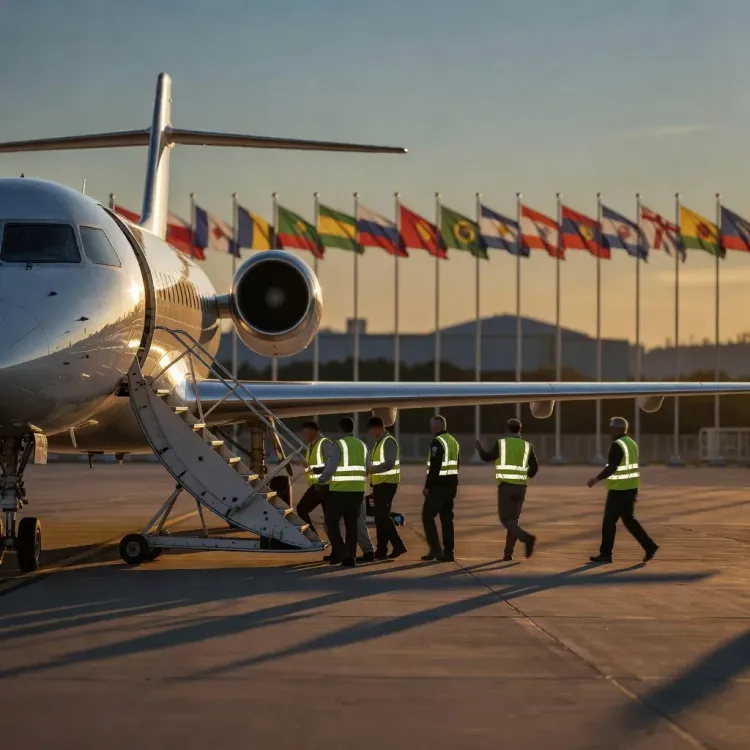
The post included one image, consistent with official departure-style travel announcements.
US presidential or senior-official visits to China date back to Nixon's 1972 normalisation trip.
Observers will watch for meeting details with Chinese leadership and any resulting joint statement or deliverables.
The visit places US-China diplomacy — spanning trade, technology, and security — back under the global spotlight.
A terse two-word announcement from the White House landed on Wednesday, 18 November 2026 with the quiet confidence of a headline that needs no explanation: 'Next Stop: China.' That single phrase, paired with a departing-aircraft emoji, signals that a senior American delegation is headed to Beijing — placing US-China diplomacy back at the centre of global attention.
A Spare Post That Says Everything
The White House's official communications account posted the message without naming a traveller, without specifying dates, and without attaching an itinerary. That deliberate economy of words is itself a signal: in the grammar of presidential travel announcements, brevity paired with an attached image almost always means the trip is confirmed and imminent. The post carries an image — further evidence this is an official departure announcement, not a speculative preview.Nixon's Shadow and the Weight of Every Beijing Trip
No American visit to China arrives without history. Since President Richard Nixon's landmark 1972 trip cracked open diplomatic relations between the two superpowers, every subsequent presidential or senior-level journey to Beijing has been measured against that original détente. The arc runs through Reagan, Clinton, Bush, Obama, and Trump — each visit a fresh calibration of competition and cooperation between the world's two largest economies. Trade balances, technology access, Taiwan, the South China Sea: the agenda writes itself, and the world watches to see which items make the final communiqué.What the Diplomatic Community Will Watch For
For trade negotiators and foreign-policy observers, the immediate questions are concrete: Who leads the delegation? Which Chinese counterparts — President, Premier, or Politburo Standing Committee members — are on the meeting schedule? And, critically, does the trip produce a joint statement with measurable deliverables, or does it end with the standard diplomatic language of 'frank and candid discussions'? The answers will determine whether this visit marks a genuine reset in US-China relations or simply maintains the managed-tension status quo that has defined the relationship through much of the 2020s. One spare emoji, one continent, and a world of consequence. The next dispatch from Beijing will tell us which way the needle moved.Point of View
Confirmed departure — the administration is signalling without elaborating, a classic pre-trip communications posture. The visit arrives at a moment when US-China relations remain structured around managed competition: deep economic interdependence coexisting with sharp friction on technology exports, Taiwan, and regional security. For India, any recalibration of the Washington-Beijing axis carries direct strategic implications, particularly on trade architecture and Indo-Pacific alignments. The specifics of who travels and what is agreed will matter enormously — but the mere act of a high-level visit tends to dial back the temperature, at least temporarily.
NationPress
18 Nov 2026
Frequently Asked Questions
Who from the US is visiting China in November 2026?
The White House has not named a specific traveller in its announcement. The post simply stated 'Next Stop: China,' consistent with an imminent high-level visit. The identity of the delegation leader has not been officially confirmed.
Why is the White House visiting China?
No specific purpose was stated in the announcement. High-level US visits to China typically address a broad agenda including trade, technology access, security concerns, and bilateral diplomatic relations.
What is the history of US presidential visits to China?
US presidents have visited China since Richard Nixon's historic 1972 trip that normalised diplomatic relations. Subsequent administrations have conducted periodic visits to manage the complex US-China bilateral relationship.
What should India watch for in the US-China visit?
India should monitor the meeting schedule, any joint statements on trade or technology, and signals on Taiwan and the Indo-Pacific — all of which carry direct implications for India's own strategic and economic positioning.
How significant is a White House visit to China?
Extremely significant. Given the scale of US-China economic and security ties, any senior-level engagement between the two countries tends to shape global trade expectations, regional security dynamics, and diplomatic alignments worldwide.