White House Calls US-China Meeting a Win for Both Nations
Synopsis
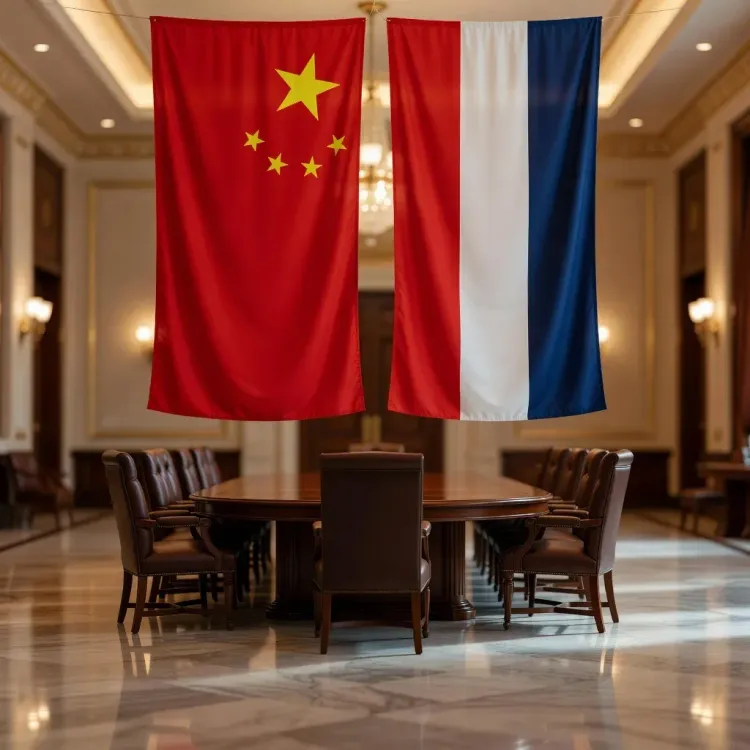
The White House declared a US-China meeting on September 25, 2026 a triumph of 'Friendship, Strength, and Success' for both nations — a deliberately optimistic framing that marks a notable moment of diplomatic warmth between the world's two largest economies amid years of strategic rivalry.
Key Takeaways
The White House posted on September 25, 2026 that a US-China meeting was one of 'Friendship, Strength, and Success, for both China and the U.S.A.' The statement is notable for its explicitly positive framing of a relationship typically characterised by managed competition and periodic friction.
Xi Jinping has been China's central diplomatic interlocutor since 2013 ; the US and China remain both major trading partners and strategic rivals.
The last major bilateral deal — the Phase One trade agreement — was signed in January 2020 , making any new deliverables from this summit highly consequential.
Concrete outcomes, including potential tariff changes or technology-control adjustments, are expected to emerge through follow-up statements and multilateral forums such as APEC and the G20 .
India and other Indo-Pacific nations will closely monitor any recalibration in US-China ties for its downstream effects on regional security and trade alignments.
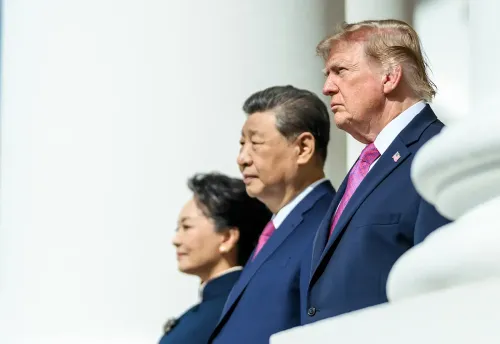
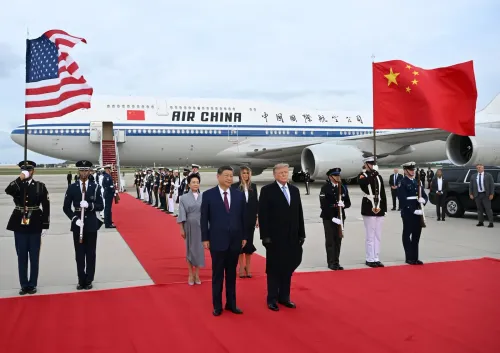
In a pointed, upbeat declaration that signals a moment of diplomatic warmth between two of the world's most consequential rivals, The White House on Friday, September 25, 2026, described a high-level US-China meeting as one of 'Friendship, Strength, and Success, for both China and the U.S.A.'
Three words that carry a diplomatic payload
The language is deliberate and worth unpacking. 'Friendship' softens the adversarial framing that has dominated US-China discourse for years. 'Strength' reassures a domestic audience — and Beijing — that Washington negotiated from a position of confidence. 'Success' implies deliverables, even if none have yet been made public. Together, the three-word formula does what high-stakes diplomatic communiqués are designed to do: project unity without conceding specifics.
US-China leader-level summits have historically served as circuit-breakers in a relationship defined by cyclical tension and managed competition. The two nations remain deeply entwined economically — China is among the largest trading partners of the United States — while simultaneously clashing over technology controls, regional security in the Indo-Pacific, and competing visions of global order.
The long arc from tariff wars to the table
The backdrop to any US-China summit carries weight. The Phase One trade agreement of January 2020 was the last major bilateral deal, aimed at reducing tariffs and addressing structural economic grievances. Since then, technology export controls, disputes over Taiwan, and competing influence in multilateral bodies have kept the relationship in a state of managed friction. When the two sides sit down at the leader level, the world watches for cracks — or, as today's statement suggests, for warmth.
Xi Jinping, who has led China since 2013, has been the central interlocutor in every significant US-China summit of the past decade. His government will almost certainly release its own characterisation of the meeting, and the degree to which Beijing's language mirrors Washington's will be the first real indicator of how substantive the outcomes are.
What comes next — and where the proof will be
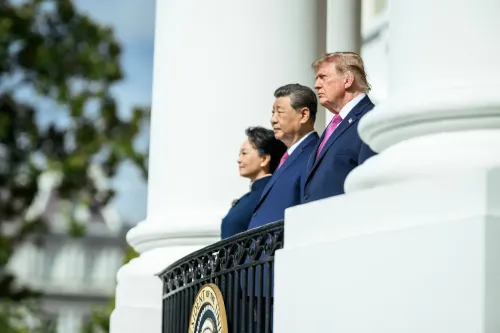
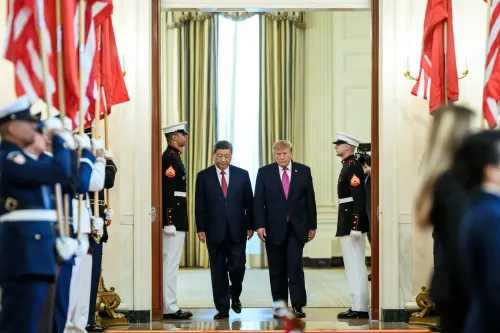
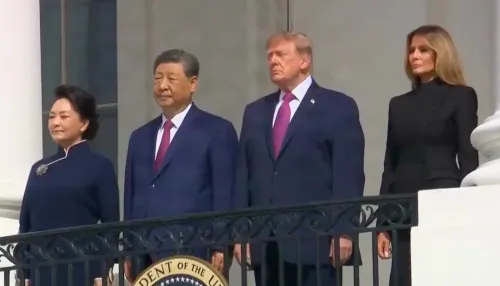
Warm bilateral statements are the beginning of a story, not the end. The real test will come in follow-up actions: whether tariff structures shift, whether technology-control carve-outs are negotiated, or whether the two sides coordinate positions ahead of multilateral forums such as APEC or the G20. For now, the White House has set a tone — optimistic, assertive, and bilateral. The specifics will determine whether this meeting is remembered as a turning point or a well-photographed handshake.
For India — which watches every US-China recalibration with strategic interest — the temperature of this relationship has direct implications for Indo-Pacific alignments, trade corridors, and the geometry of great-power competition.
Point of View
Strength, and Success' — is a classic piece of summit diplomacy: expansive enough to claim victory, vague enough to leave negotiating room. Leader-level US-China meetings have historically served as stabilising valves in a relationship too large and too interconnected to allow outright rupture. The real policy arc to watch is whether this rhetorical warmth translates into tangible movement on the two structural fault lines — technology decoupling and trade imbalances — that have defined bilateral tensions since 2018. For the rest of the world, including India, the temperature of the US-China relationship is not a spectator sport; it reshapes alliance calculations, supply chains, and multilateral bargaining power in real time.
NationPress
26 Sept 2026
Frequently Asked Questions
What did the White House say about the US-China meeting on September 25 2026?
The White House described the meeting as one of 'Friendship, Strength, and Success, for both China and the U.S.A.' — a notably positive characterisation of a high-level bilateral engagement between the two nations.
Who represents China in US-China summits?
Xi Jinping , who has served as President of China since 2013 , is the principal Chinese interlocutor in leader-level meetings with the United States.
What was the last major US-China trade deal?
The Phase One trade agreement , signed in January 2020 , was the last significant bilateral deal, aiming to reduce tariffs and resolve structural economic disputes between the two countries.
Why does a US-China summit matter for India?
The US-China relationship directly shapes Indo-Pacific security architecture, trade corridors, and the balance of great-power influence — all of which affect India's strategic and economic positioning in the region.
What follow-up actions should be watched after this US-China meeting?
Analysts will track whether tariff structures change, technology export controls are eased or tightened, and whether the two sides align at upcoming multilateral forums such as APEC or the G20 .