White House Highlights General Phillip Sheridan Fountain
Synopsis
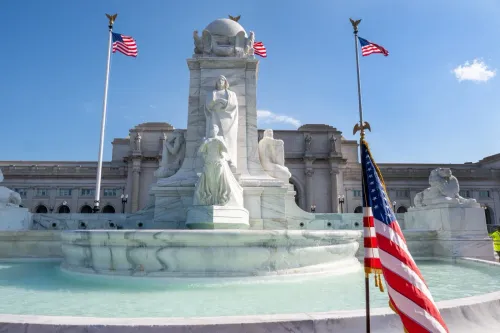
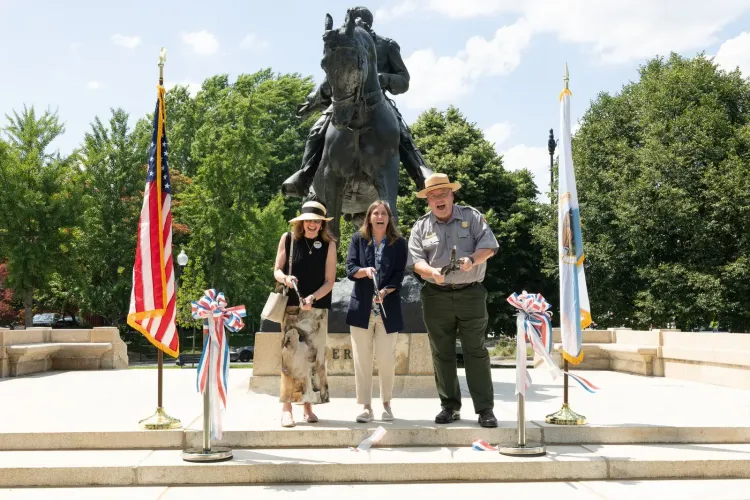
The White House on 1 June 2026 shared an image of the General Phillip Sheridan Fountain, paying tribute to the Union Army cavalry commander and General-in-Chief who played a decisive role in the American Civil War. The post continues a recurring federal pattern of acknowledging 19th-century military memorials in Washington, D.C.
Key Takeaways
The White House posted about the General Phillip Sheridan Fountain on 1 June 2026 , sharing an accompanying image.
General Philip Sheridan commanded Union Army cavalry during the American Civil War and later served as General-in-Chief of the U.S.
Sheridan's 1864 Shenandoah Valley campaign is among his most celebrated military achievements.
The White House has a documented pattern of highlighting 19th-century U.S. military memorials in public spaces across the capital.
Sheridan's legacy is multifaceted, encompassing both Civil War heroism and controversial post-war campaigns against Native American tribes on the Great Plains.
The National Park Service may announce related maintenance or interpretive programming for Civil War monuments in Washington, D.C.
The White House, the official communications account of the Executive Office of the President of the United States, spotlighted the General Phillip Sheridan Fountain on Monday, 1 June 2026, sharing an image of the historic memorial in a brief but pointed post.
Context
General Philip Sheridan was one of the most prominent Union Army commanders of the American Civil War, celebrated for his aggressive cavalry operations and his decisive campaign in the Shenandoah Valley in 1864. He later rose to become General-in-Chief of the U.S. Army, cementing his place among the country's most consequential 19th-century military figures. Memorials bearing his name stand in several American cities, with notable monuments in Washington, D.C. and Chicago.
Policy Backdrop
The White House and federal agencies have a recurring practice of acknowledging Civil War-era military memorials and monuments that occupy prominent public spaces across the capital. This pattern of commemoration aligns with broader federal efforts to maintain and interpret 19th-century military heritage sites. A General Philip Sheridan statue in Washington, D.C. was notably rededicated in 2004, underscoring the enduring institutional attention paid to such landmarks.
Posts of this nature from the White House account form part of a broader series highlighting named monuments and fountains associated with figures from America's military past. They serve as informal acknowledgements of the physical and historical landscape of the nation's capital.
Stakeholders and Impact
The military history community and veterans' groups in the United States are the primary audiences for tributes of this kind, reinforcing the cultural significance of Civil War memorials in the national consciousness. For Indian audiences, the post offers a window into how the U.S. executive branch engages with its own military heritage through digital communications. Such gestures also carry symbolic weight for descendants of Civil War veterans and historians studying 19th-century American military leadership.
Sheridan's legacy remains complex: while celebrated for his Union Army service, he is also remembered for controversial campaigns against Native American tribes on the Great Plains during the post-war era, a dimension that continues to shape public debate around his memorials.
What's Next
The National Park Service, which oversees many Civil War monuments in Washington, D.C., may follow such White House attention with announcements on maintenance schedules or new interpretive programming for these sites. Broader national conversations about the commemoration of 19th-century military figures — including debates over their full historical records — are likely to continue influencing how federal institutions present and contextualise such memorials. The White House's ongoing series of monument acknowledgements suggests further posts of this kind can be expected through the year.
Point of View
Image-led post on the General Phillip Sheridan Fountain fits squarely within a deliberate federal communications strategy of using social media to anchor the executive branch's identity to America's military heritage. Such posts are low-risk symbolically but carry quiet ideological weight — they signal which figures the current administration considers worthy of public visibility. Sheridan's contested legacy, celebrated in Union history but criticised for his Plains campaigns, means even routine tributes can reignite wider debates about how the U.S. state memorialises its military past. For observers tracking U.S. domestic politics, the choice of subject and timing is worth noting in the context of ongoing national conversations about monument preservation and historical memory.
NationPress
26 Sept 2026
Frequently Asked Questions
Who is General Philip Sheridan?
General Philip Sheridan was a Union Army cavalry commander during the American Civil War, best known for his decisive 1864 Shenandoah Valley campaign. He later became General-in-Chief of the U.S. Army and is memorialised by statues and fountains in several American cities.
Where is the General Phillip Sheridan Fountain located?
There are memorials to General Philip Sheridan in multiple U.S. cities, including a notable statue in Washington, D.C. The White House post referenced the fountain without specifying an exact address, but Washington, D.C. is the most prominent location associated with his federal memorials.
Why did the White House post about General Sheridan in June 2026?
The specific reason for the 1 June 2026 post has not been officially stated. The White House has a recurring pattern of acknowledging named monuments and fountains associated with 19th-century U.S. military figures, and this post appears consistent with that practice.
What is General Sheridan's role in American Civil War history?
Sheridan commanded Union cavalry forces and is credited with turning the tide in the Shenandoah Valley in 1864, helping to secure a Union victory. His aggressive tactics and battlefield success made him one of President Ulysses S. Grant's most trusted commanders.
Is General Philip Sheridan a controversial historical figure?
Yes. While celebrated for his Union Army service, Sheridan is also criticised for his post-Civil War campaigns against Native American tribes on the Great Plains, which involved significant violence and displacement. This dual legacy continues to inform public debate about his memorials.