White House Details Trump Team's FAA Ground Stop Response

Synopsis
The White House released a timeline detailing how the Trump administration responded to an FAA ground stop, emphasising speed and public safety. The move echoes protocols established after the landmark January 2023 NOTAM outage that exposed vulnerabilities in US aviation IT infrastructure.
Key Takeaways
The White House posted a response timeline on November 16, 2026 detailing the Trump administration's handling of an FAA ground stop .
An FAA ground stop halts aircraft departures system-wide, immediately disrupting airlines and air travellers across the US.
The administration framed its response as 'swift and effective,' setting a public benchmark for scrutiny.
A precedent for transparency was established after the January 2023 NOTAM system outage , which triggered nationwide flight halts and demanded IT resilience reviews.
Follow-up scrutiny is expected from the FAA , NTSB , and potentially congressional oversight hearings on aviation modernisation.
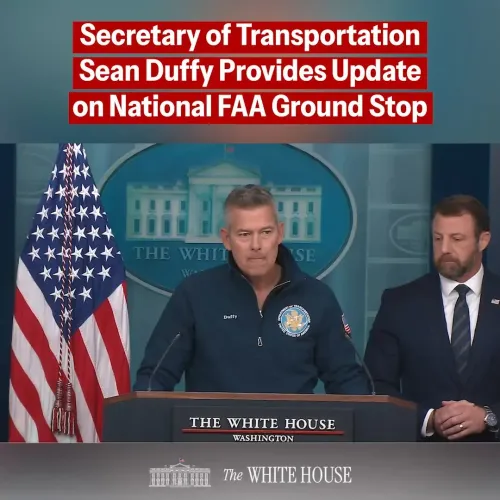
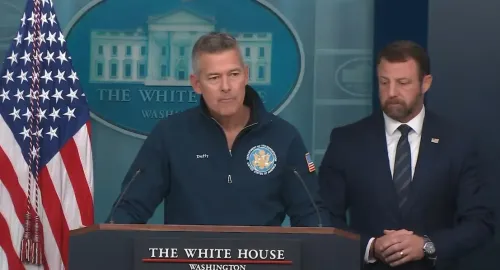
When the skies go quiet over America, every minute of silence costs millions — and demands answers. The White House posted a detailed timeline on Monday, November 16, 2026, laying out how the Trump administration responded to a Federal Aviation Administration (FAA) ground stop, framing the effort as 'a swift, effective response to protect the safety of every American.'
What an FAA Ground Stop Actually Means
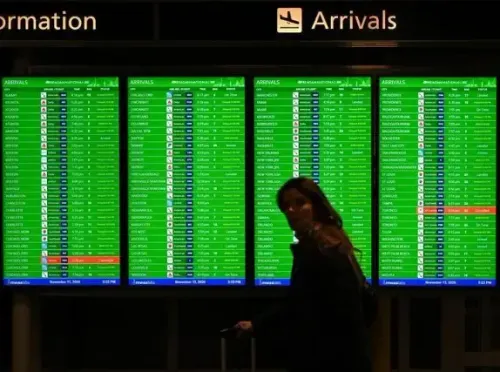
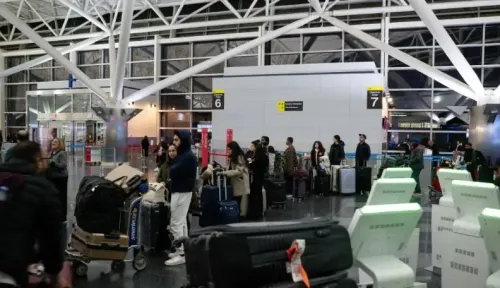
An FAA ground stop is an order that halts aircraft departures to or through a specific area — or, in severe cases, nationwide — until a disruption is resolved. These events ripple immediately: airlines scramble to reroute or hold flights, airports fill with stranded passengers, and carriers absorb cascading delays that can persist for hours after the initial stoppage is lifted.
The FAA oversees all civil aviation safety and air traffic control across the United States, making any disruption to its operational systems a matter of immediate national concern. Ground stops triggered by technical failures are among the most disruptive events in commercial aviation, affecting air travellers and airlines alike within minutes.
The 2023 NOTAM Outage That Changed the Playbook
This is not the first time Washington has had to explain a sudden halt to American skies. In January 2023, a nationwide outage of the FAA's NOTAM (Notice to Air Missions) system — the backbone of pre-flight safety alerts for pilots — triggered a historic ground stop affecting thousands of flights. That incident exposed deep vulnerabilities in the agency's ageing IT infrastructure and forced a sweeping review of aviation system resilience.
The fallout from that outage made swift, transparent communication the new standard for administrations facing similar disruptions. The White House's decision to publish a step-by-step timeline signals a deliberate effort to demonstrate exactly that — control, speed, and accountability.
What Comes After the All-Clear
Publishing a response timeline is the first step; independent scrutiny is the next. Aviation incidents of this scale typically trigger internal FAA reviews and, depending on severity, can draw National Transportation Safety Board (NTSB) attention and congressional oversight hearings focused on aviation infrastructure modernisation. Lawmakers and aviation watchdogs will now look for a full accounting of the root cause — whether a technical failure, a staffing gap, or a cybersecurity event — before the story is closed.
The administration's framing of its response as 'swift and effective' sets a benchmark it will be held to. If the FAA or NTSB findings tell a more complicated story, that timeline becomes a public document of record.
Point of View
' the Trump administration is proactively controlling the narrative before independent FAA or NTSB findings can complicate it. The move also signals that aviation infrastructure resilience — a bipartisan vulnerability exposed in 2023 — remains a live political pressure point. How closely the published timeline matches any forthcoming technical investigation will determine whether this episode closes quietly or escalates into a congressional accountability moment.
NationPress
16 Nov 2026
Frequently Asked Questions
What is an FAA ground stop and why does it matter?
An FAA ground stop is an official order that halts aircraft departures to or through a designated area, often issued when a technical failure or safety concern disrupts air traffic control systems. It affects airlines and passengers immediately, causing cascading delays that can last for hours.
What did the White House post about the FAA ground stop in November 2026?
On November 16, 2026, the White House published a step-by-step timeline on X detailing how the Trump administration responded to an FAA ground stop, describing the effort as 'a swift, effective response to protect the safety of every American.'
Has the US experienced a major FAA ground stop before?
Yes. In January 2023, a nationwide outage of the FAA's NOTAM (Notice to Air Missions) system triggered a historic ground stop affecting thousands of flights and exposed serious vulnerabilities in US aviation IT infrastructure, prompting a broad review.
Who investigates FAA ground stops after they happen?
Following a significant aviation disruption, the FAA typically conducts an internal review, the National Transportation Safety Board (NTSB) may also examine the incident, and congressional committees can call oversight hearings on aviation system modernisation.
How does the Trump administration's response compare to past aviation incidents?
Publishing a detailed response timeline is now standard practice for US administrations after the scrutiny triggered by the 2023 NOTAM outage. It signals accountability but also sets a public benchmark that independent technical investigations will be measured against.