White House Touts South Carolina Arrests in Border Push
Synopsis
The White House spotlighted federal immigration arrests in South Carolina on October 29, 2026, crediting President Trump's border policy while blaming Democrats for past security failures. The post is part of a sustained enforcement-communications strategy anchoring national immigration messaging to local criminal-arrest operations.
Key Takeaways
The White House posted on October 29, 2026 highlighting immigration arrests in South Carolina as evidence of enforcement success.
The post accused Democrats of allowing 'millions of illegal aliens, including murderers, pedophiles, gang members, and suspected terrorists' into the country.
President Trump is credited in the post with securing the border 'on day one' of his return to office.
South Carolina has previously been the site of federal immigration operations targeting individuals with criminal records.
Specific details of the arrests referenced — numbers, charges, timeline — were not independently confirmed at the time of publication.
Interior enforcement operations spotlighting serious criminal offenders form a core pillar of the Trump administration's immigration communications strategy.
The White House escalated its immigration enforcement message on Thursday, October 29, 2026, spotlighting a federal crackdown in South Carolina and framing it as direct evidence that President Donald Trump's border policies are delivering results — while laying blame for past security gaps squarely on Democrats.
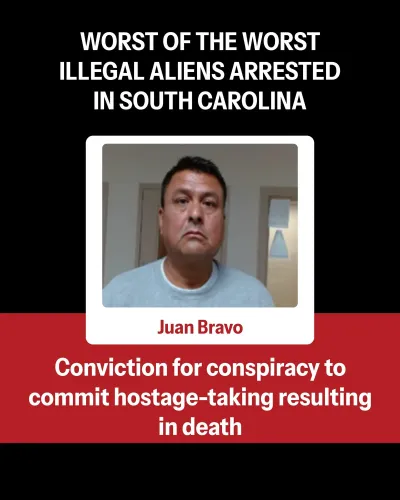
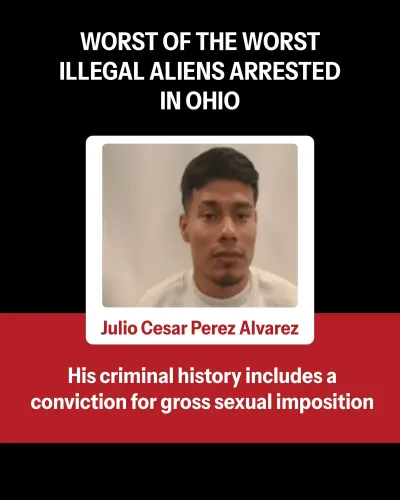
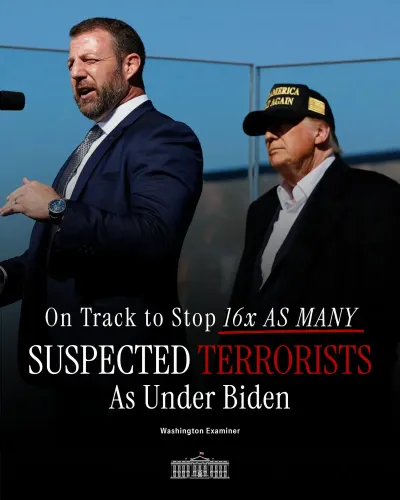
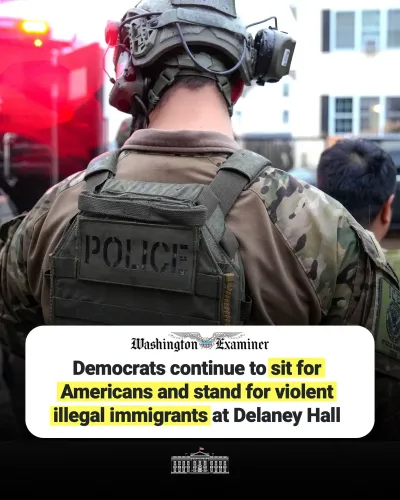
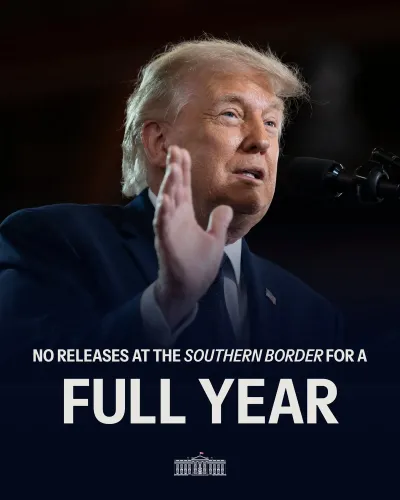
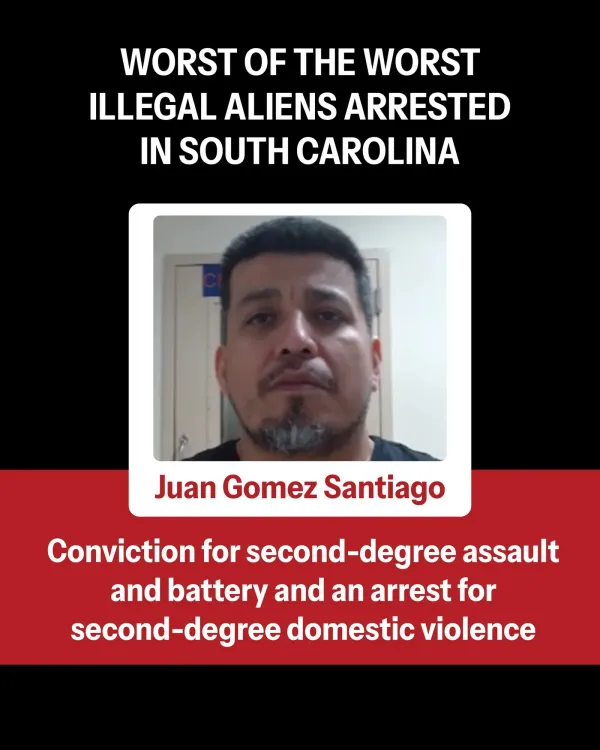
The official White House account posted that Democrats 'allowed millions of illegal aliens, including murderers, pedophiles, gang members, and suspected terrorists, to pour into America,' and declared that on 'day one, President Trump secured the border and stopped the invasion.' The post directed attention to what it called the 'Worst of the Worst Arrested in South Carolina.'
South Carolina as a showcase for interior enforcement
South Carolina has periodically served as an operational theatre for federal immigration enforcement actions targeting individuals with prior criminal records. Interior enforcement — arrests made away from the physical border — has been a central pillar of the Trump administration's strategy, complementing physical barrier construction and asylum restrictions that date back to executive orders signed in January 2017. The framing of specific criminal categories — violent offenders, gang members, individuals on terrorism watch lists — is a deliberate communications strategy. By anchoring enforcement news to the most serious alleged offenders, the administration seeks to build public support for broader immigration restrictions. That pattern has been consistent across both of Trump's terms in office.The partisan border narrative and its limits
US immigration policy has swung sharply between administrations, with enforcement priorities, asylum access, and border resourcing all subject to executive reversal. The White House post continues a well-established partisan framing: Democratic-era policies as open-door neglect, Republican-era policy as decisive restoration of order. The specific details of the South Carolina arrests referenced in the post — the number of individuals, the charges, and the exact timeline — had not been independently confirmed at the time of publication. Federal immigration enforcement agencies periodically release operational data through formal press releases, and those figures, when published, will offer a fuller picture of the operation's scope. What is clear is that the administration is investing heavily in the communications value of local enforcement actions, turning individual state-level operations into national-level political messaging. Border security remains one of the sharpest fault lines in American politics heading deeper into 2026, and every arrest announcement is as much a political document as a law-enforcement bulletin.Point of View
Local arrests, the administration converts operational activity into political capital. Framing opponents as responsible for the 'worst of the worst' entering the country sharpens the contrast heading into an election cycle. However, the absence of independently verified arrest data at publication time means the specific claims about South Carolina remain unconfirmed, a gap that matters for policy accountability even as the political messaging lands cleanly. The broader pattern — enforcement swinging hard with each administration — suggests that durable immigration reform, rather than executive-order cycles, remains the unresolved structural challenge.
NationPress
30 Oct 2026
Frequently Asked Questions
What did the White House post about South Carolina immigration arrests?
The White House posted on October 29, 2026, spotlighting federal immigration arrests in South Carolina, describing those detained as the 'worst of the worst' and crediting President Trump's border policies for the crackdown.
What is Trump's day-one border policy?
On his first day back in office, President Trump issued executive directives aimed at tightening border security, resuming construction of physical barriers, restricting asylum claims, and accelerating interior enforcement operations against undocumented individuals with criminal records.
Why is the White House focusing on South Carolina for immigration enforcement?
South Carolina has been used periodically as an operational site for federal immigration enforcement targeting individuals with criminal histories. Highlighting state-level arrests allows the administration to illustrate the impact of its national immigration policy at a local level.
Did Democrats respond to the White House immigration claims?
The White House post did not include any Democratic response, and no official rebuttal was available at the time of publication. The post is part of an ongoing partisan debate over US immigration policy.
Are the specific South Carolina arrest details verified?
The specific details of the arrests mentioned in the post — including the exact number of individuals detained, the charges, and the full timeline — had not been independently confirmed at the time of publication. Official federal enforcement data, when released, will provide further clarity.