White House Says Trump Is Restoring Law and Order in America
Synopsis
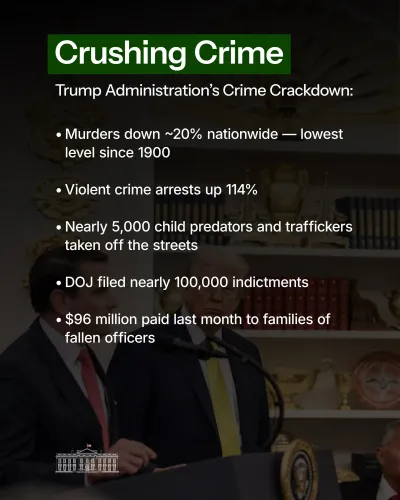
The White House declared that President Trump is restoring law and order in America, reaffirming a federal enforcement-first approach to public safety that has defined both his terms — with Operation Legend as its clearest policy precedent and future DOJ actions to watch.
Key Takeaways
The White House posted on August 15, 2026 that President Trump is 'RESTORING LAW AND ORDER IN AMERICA.' Trump is serving as the 47th President , having previously served as the 45th , with law enforcement as a consistent policy priority across both terms.
Operation Legend , launched in 2020 , deployed federal law enforcement to high-crime cities and remains the clearest template for this administration's policing approach.
The message sharpens a recurring partisan divide over federal versus local roles in addressing crime, particularly post-2020 reform movements.
Future FBI Uniform Crime Reports and Department of Justice funding announcements will be key indicators of whether rhetoric translates to results.
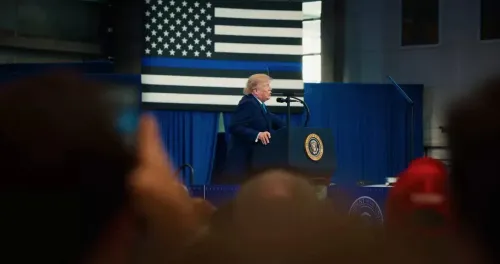
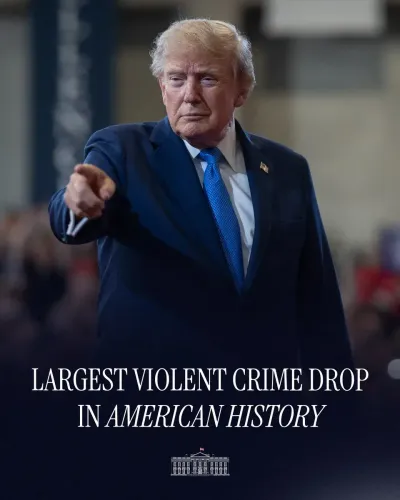
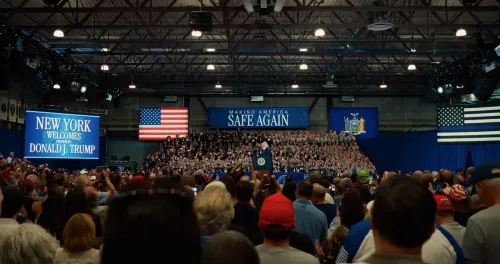
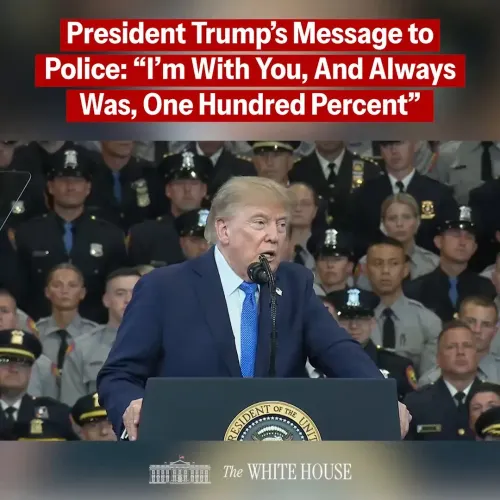
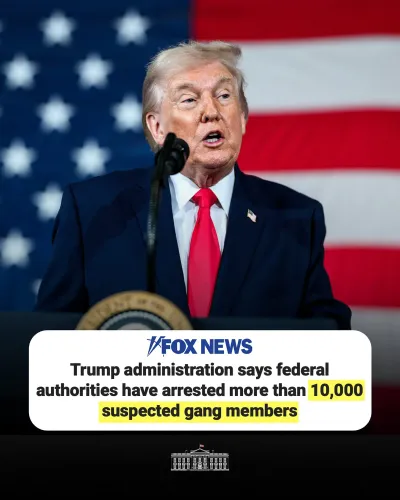
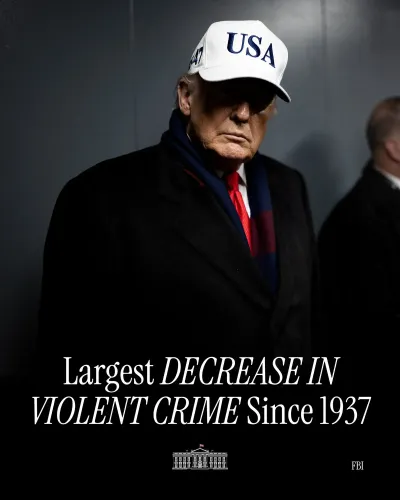
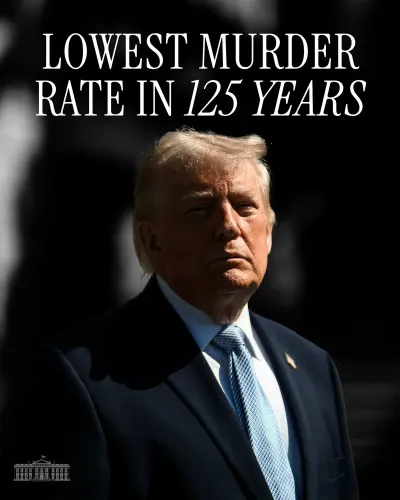
The White House is pushing a pointed message on public safety: President Donald Trump is actively working to restore law and order across the United States. The declaration, posted on August 15, 2026, signals that the administration's signature tough-on-crime posture remains front and centre — and that it intends to keep the pressure on.
A Signature Stance Reasserted
The post carries no ambiguity. 'President Trump is RESTORING LAW AND ORDER IN AMERICA' — the capitalisation deliberate, the message blunt. For an administration that has made federal enforcement a cornerstone of its political identity, the statement is less announcement than affirmation.
The rhetorical DNA traces back to Trump's first term, when the White House framed rising urban crime as a failure of local leadership and positioned federal intervention as the corrective. That framing has never really left the building.
Operation Legend and the Federal Playbook
The clearest policy precedent is Operation Legend, launched in 2020, which deployed federal law enforcement resources to cities reporting spikes in violent crime. The operation became a template — federal agents, FBI resources, and Department of Justice funding flowing into localities where the administration argued local authorities had lost control.
That playbook — rhetorical declaration followed by concrete federal action on policing resources and immigration enforcement — has defined the Trump approach to public safety across both terms. The pattern pairs messaging with movement: statements like this one typically precede or accompany executive actions, DOJ funding announcements, or deployment orders.
The Fault Line It Reopens
Law and order as a governing theme sits squarely on one of American politics' sharpest fault lines — the tension between federal enforcement priorities and local criminal justice reform movements that gained momentum after 2020. Urban communities and local law enforcement agencies sit on both sides of that divide, with some welcoming federal resources and others resisting what they see as federal overreach.
What shifts that debate from rhetoric to reality is data and dollars. Analysts will be watching the next FBI Uniform Crime Reports and any fresh Department of Justice funding announcements to measure whether the message is matched by measurable outcomes on the ground.
The White House has staked its credibility on making the streets safer — and that is a promise the numbers will eventually grade.
Point of View
Capitalised, and designed to dominate a news cycle by reasserting federal authority on crime. It fits a consistent second-term pattern of using rhetorical escalation to signal policy intent before formal executive action follows. For Indian observers, the statement matters as a window into how the world's most powerful democracy is navigating the tension between centralised enforcement and local governance — a debate with clear parallels in federal democracies everywhere. The real test, as always, will be whether the DOJ follows the message with money and manpower.
NationPress
29 Sept 2026
Frequently Asked Questions
What did the White House say about Trump and law and order?
The White House posted that 'President Trump is RESTORING LAW AND ORDER IN AMERICA,' reaffirming the administration's commitment to tough federal crime enforcement.
What is Operation Legend and how does it relate to Trump's law and order policy?
Operation Legend was a 2020 initiative that deployed federal law enforcement resources to US cities with rising violent crime. It remains the clearest policy template for Trump's federal-first approach to public safety.
What is Trump's approach to crime and policing in his second term?
Trump's approach centres on federal intervention — deploying DOJ resources, FBI support, and immigration enforcement — to cities where his administration argues local authorities have failed to control crime.
How does Trump's law and order stance affect local US communities?
Urban communities and local law enforcement agencies are divided: some welcome federal resources, while others see it as federal overreach into local governance and policing reform efforts.
What should we watch for after this White House announcement on crime?
Key indicators will be upcoming FBI Uniform Crime Reports showing actual crime trends, and any new Department of Justice funding announcements or executive actions targeting local police support.