White House Claims Law and Order Restored Under Trump
Synopsis
The White House on 29 May 2026 declared 'LAW AND ORDER restored,' invoking Donald Trump's signature 'promises made, promises kept' campaign slogan. The post signals the administration is framing its domestic security record as a fulfilled electoral pledge, ahead of anticipated federal crime data releases.
Key Takeaways
The White House posted on 29 May 2026 claiming law and order has been restored under the current administration.
The message uses Donald Trump 's signature campaign phrase 'promises made, promises kept,' directly linking governance outcomes to electoral commitments.
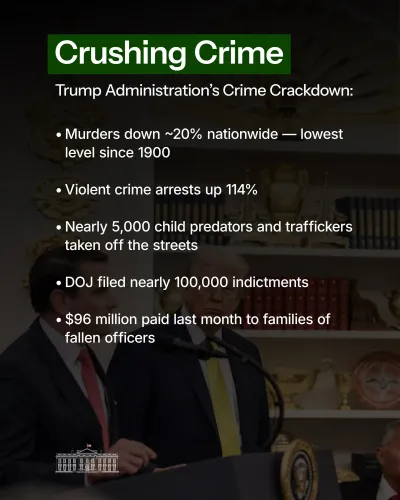
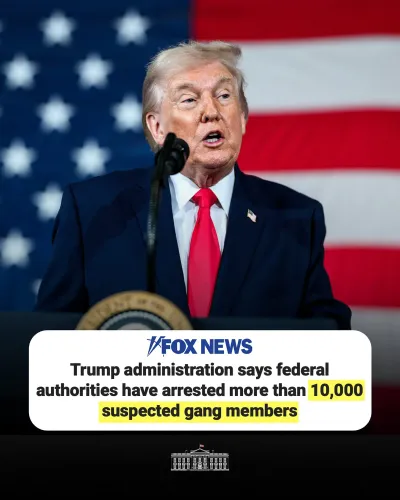
No specific statute, enforcement action, or crime statistic was cited in the post itself.
The claim is expected to be tested against forthcoming FBI Uniform Crime Report data and Department of Justice enforcement summaries.
The post continues a pattern of White House channels being used to frame public-safety outcomes as campaign pledge fulfilment.
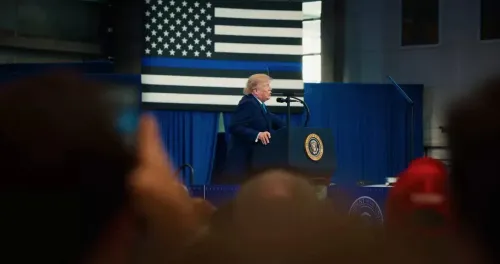
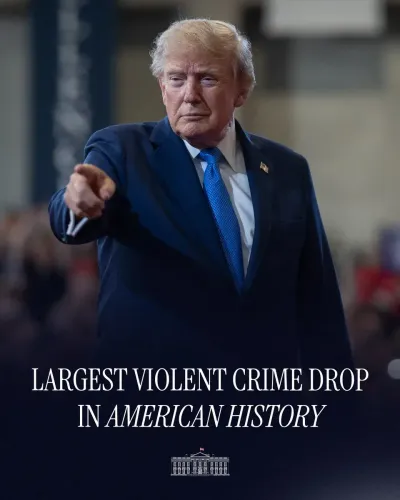
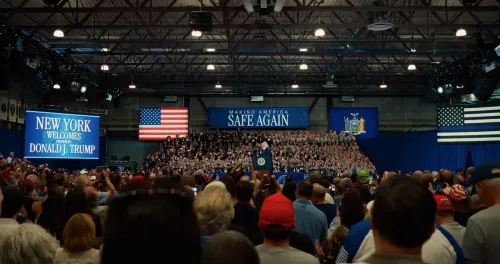
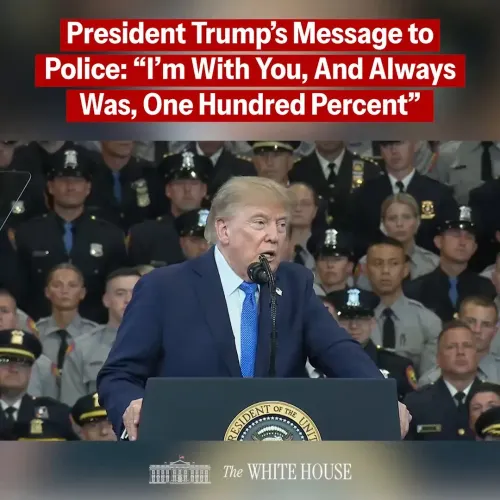
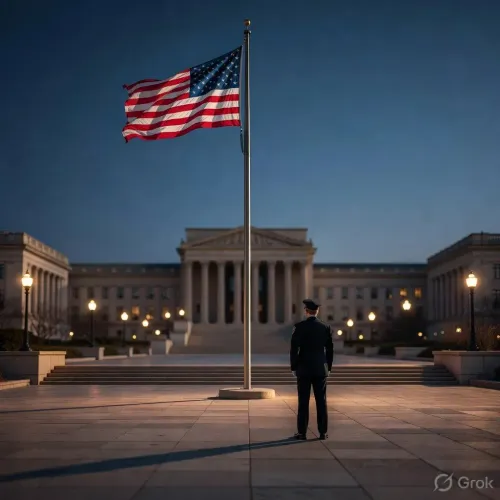
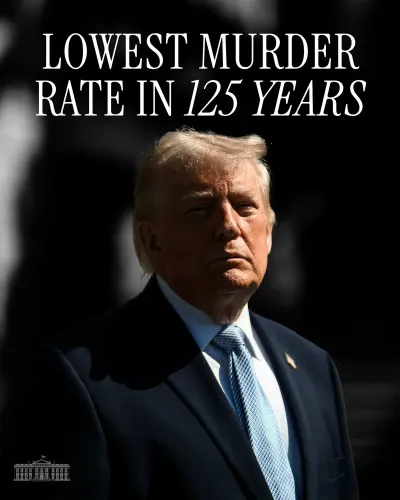
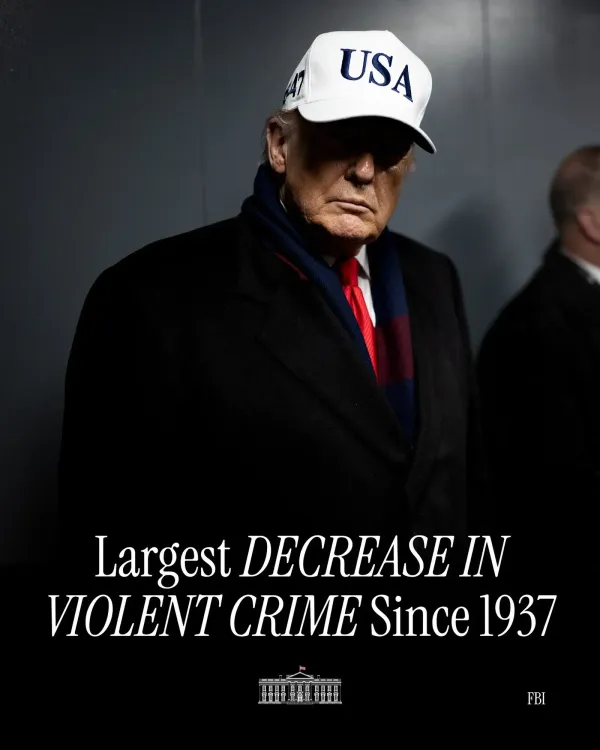
The White House, the official communications account of the Executive Office of the President of the United States, posted a pointed message on Friday, 29 May 2026, declaring that campaign commitments on domestic security had been fulfilled. The post, carrying the phrase 'Promises made, promises kept,' was accompanied by an image and a direct assertion: 'LAW AND ORDER restored.'
Context
The phrase 'promises made, promises kept' has been a signature slogan of Donald Trump's political brand, used prominently during his 2016 and 2020 presidential campaigns to signal follow-through on electoral commitments. The pairing with 'law and order' — another recurring Trump rallying cry — signals that the administration is framing its domestic security record as a campaign pledge fulfilled.
The White House post does not specify a particular event, statute, or enforcement action. The linked media accompanying the post was not independently available for review, and any specific claims or statistics it contains fall outside verifiable scope.
Policy Backdrop
Republican platforms in 2016 and 2020 placed heavy emphasis on backing law enforcement agencies, increasing federal prosecution priorities, and reversing what the party characterised as a permissive approach to crime under Democratic administrations. 'Law and order' as a political frame dates back decades in American conservative politics but was revived with particular force during the urban unrest of 2020, when policing, crime statistics, and the 'defund the police' debate became central electoral fault lines.
The administration's use of official White House channels to amplify this message is consistent with a broader pattern in which returning or incoming executives use institutional platforms to claim policy outcomes in the public-safety domain, particularly in the period following contested election cycles.
Stakeholders and Impact
Federal law enforcement agencies — including the Department of Justice, the FBI, and immigration enforcement bodies — are the institutional actors most directly implicated in any administration-level claim about restored order. Their operational priorities, staffing, and prosecution guidelines are the levers through which such pledges translate into measurable outcomes.
Urban communities, which bore the brunt of crime-rate debates in recent electoral cycles, are the primary civilian stakeholders. Advocacy groups on both sides of the policing debate are likely to scrutinise any supporting data the administration releases, given the politically contested nature of crime statistics in the United States.
What's Next
The administration's claim will face its most rigorous test when the FBI Uniform Crime Report or a Department of Justice summary of federal enforcement actions is released for the relevant period. These annual datasets are the standard benchmark against which law-and-order claims are measured by independent analysts and opposition lawmakers alike.
Whether the White House follows this post with a detailed policy brief, a presidential address, or a legislative push will determine whether this messaging marks a communications milestone or the opening of a sustained public-safety campaign heading into the next political cycle.
Point of View
Promises kept' post is a textbook example of executive narrative management — deploying a pre-built campaign frame to claim a policy win without releasing supporting data. By anchoring the message in Trump's most recognisable slogans, the administration is simultaneously speaking to its base and pre-empting opposition framing ahead of official crime statistics. The absence of specific figures is notable: it keeps the claim broad enough to be difficult to directly refute, but equally difficult to substantiate. The real political test comes when annual federal crime data arrives and independent analysts begin the work of verification.
NationPress
12 Oct 2026
Frequently Asked Questions
What did the White House post about law and order on 29 May 2026?
The White House posted a message on 29 May 2026 declaring 'Promises made, promises kept. LAW AND ORDER restored,' accompanied by an image, signalling the administration considers its domestic security commitments fulfilled.
What does 'promises made, promises kept' mean in US politics?
'Promises made, promises kept' is a signature slogan of Donald Trump , used since his 2016 campaign to assert that he follows through on electoral pledges, particularly on issues like immigration, trade, and domestic security.
How will the White House law and order claim be verified?
The standard benchmark is the FBI Uniform Crime Report and Department of Justice enforcement summaries, which provide annual data on crime rates and federal prosecution outcomes across the United States.
Which agencies are responsible for law and order in the United States?
Federal responsibility falls primarily on the Department of Justice , the FBI , and immigration enforcement agencies, while day-to-day policing remains largely the domain of state and local law enforcement bodies.
Why does the White House use social media to announce policy outcomes?
Official social media accounts allow the executive office to communicate directly with the public, bypassing traditional intermediaries, and are routinely used to frame policy outcomes in terms favourable to the administration's electoral narrative.