Pakistan's Workplace Laws for Women: A Call for Better Enforcement
Synopsis
Despite the establishment of legal protections for women at work, a recent report reveals significant gaps in enforcement, with many organizations failing to address harassment effectively. Explore the implications for women's empowerment and economic development in Pakistan.
Key Takeaways
Enforcement of workplace laws for women in Pakistan is severely lacking.
Fear of retaliation and social stigma prevent reporting of harassment.
Women's empowerment is a crucial human rights issue.
Pakistan's economic challenges are compounded by rising government debt.
Remittances are significant but mask underlying economic problems.
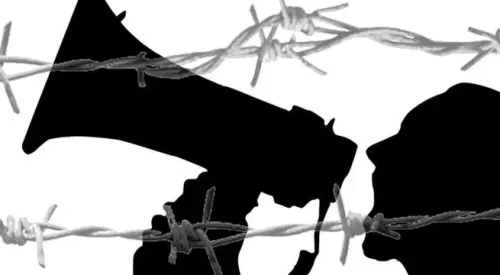
New Delhi, March 13 (NationPress) Despite the introduction of significant legal measures aimed at safeguarding women in the workplace in Pakistan, the main hurdle lies in the enforcement of these laws. Many organizations are failing to create operational inquiry committees or regard them merely as formal procedures, according to a recent report.
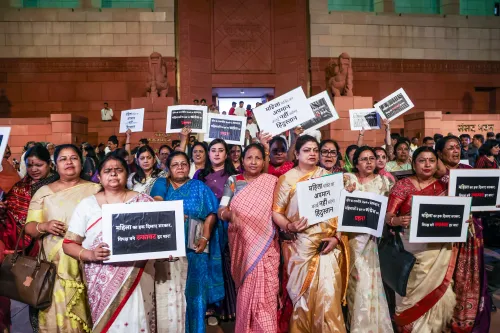
During an event hosted by the Pakistan Institute of Labour Education and Research (PILER) to commemorate International Women’s Day, attendees emphasized that the fear of retaliation, societal stigma, and a lack of confidence in the complaint mechanisms prevent numerous women from coming forward with harassment claims, as highlighted in an editorial by Business Recorder.
The report pointed out that many organizations either neglect to set up functional inquiry committees or treat them as mere formalities. It also noted that insufficient awareness, training, and oversight render even well-designed legislation ineffective.
Participants at the event asserted that women’s empowerment should be perceived not just as a “women’s issue,” but as a fundamental human rights concern and a crucial component of social and economic advancement.
"When women are provided with equal opportunities to work, engage, and take leadership roles, society as a whole benefits. Work environments that promote dignity and equality tend to foster greater productivity, creativity, and cooperation. In contrast, harassment and discrimination not only stifle women’s potential but also impede broader national progress," the report stated.
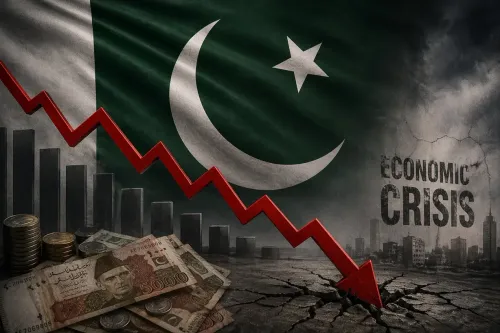
Another report highlighted that Pakistan’s national government debt surged by over Rs 7 trillion in 2025, reflecting nearly a 10 percent increase—a trend that threatens to divert resources away from private investment, job creation, and essential public services.
If this trajectory continues, Pakistan risks becoming "a perennial contender for the world's worst-managed country," the report contended.
Currently, remittances constitute almost 10 percent of GDP, rivaling export revenues and concealing systemic failures such as inactive factories, high unemployment, and underutilization of the workforce, it noted.
Frequently Asked Questions
What are the main barriers for women reporting harassment in Pakistan?
The primary barriers include fear of retaliation, social stigma, and a lack of trust in the complaint processes.
Why is women's empowerment important for society?
Empowering women leads to increased productivity, creativity, and cooperation in workplaces, benefiting society as a whole.
What has been the trend in Pakistan's government debt?
Pakistan's central government debt rose by over Rs 7 trillion in 2025, marking a significant increase that threatens economic stability.
How do remittances affect Pakistan's economy?
Remittances account for nearly 10% of GDP, masking systemic issues like high unemployment and idle factories.
What is the role of inquiry committees in enforcing workplace laws?
Inquiry committees are essential for addressing harassment claims and ensuring compliance with workplace laws, but many organizations fail to establish them properly.