UN Rapporteur Highlights Disturbing Harassment of Baloch Activists
Synopsis
Mary Lawlor, UN Special Rapporteur, warns about the alarming harassment of Sabiha Baloch and other women’s rights activists in Pakistan. This article explores the implications of these actions and the urgent call for justice.
Key Takeaways
Mary Lawlor highlights serious concerns over the harassment of human rights activists in Pakistan.
The Baloch Yakjehti Committee is facing **politically motivated allegations**.
Concerns about the legality and credibility of detentions and statements are raised.
Calls for the release of detained leaders have been issued by various human rights organizations.
The situation emphasizes the need for accountability and justice in human rights advocacy.
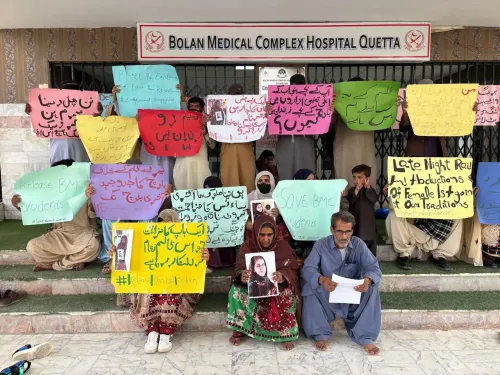
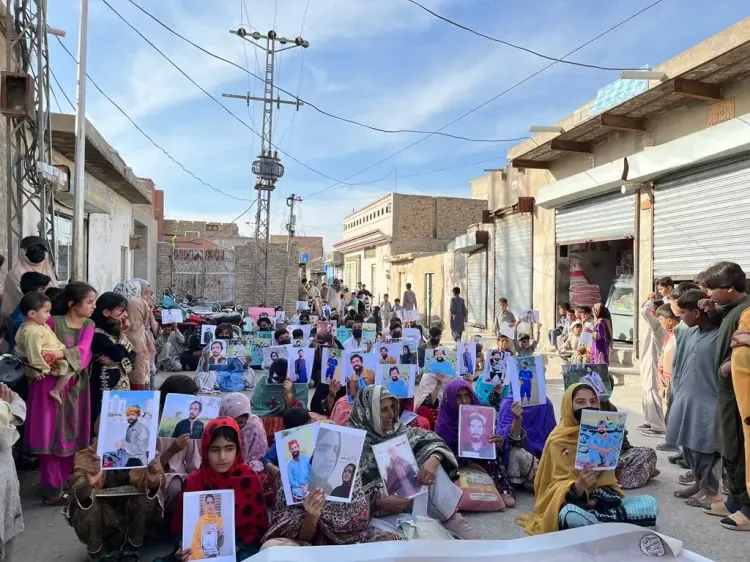
Dublin, April 2 (NationPress) Mary Lawlor, the UN Special Rapporteur on human rights defenders, voiced serious concerns regarding the ongoing harassment and criminalization of women's rights advocates, particularly focusing on Sabiha Baloch, the leader of the Baloch Yakjehti Committee (BYC), along with her family, by the authorities in Pakistan. This troubling trend also extends to other members of the BYC.
Lawlor urged for an immediate cessation of these actions, emphasizing that they seem to be directly linked to the organization's peaceful endeavors in defending and promoting human rights.
“I am deeply troubled by the continuous harassment and criminalization faced by WHRD Sabiha Baloch and her family in Pakistan, along with the targeting of the Baloch Yakjehti Committee (BYC). These actions appear to be retaliatory measures against their non-violent efforts to uphold human rights and must come to an end,” Lawlor stated on X.
Recently, the BYC issued a strong statement condemning what it termed the “unfounded and politically motivated accusations” against Sabiha Baloch and the organization, asserting that they have consistently operated as a peaceful movement advocating for justice in Balochistan.
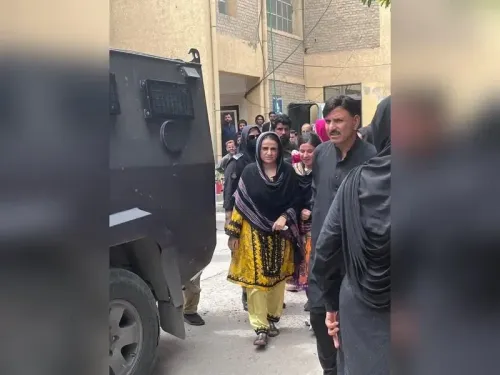
The committee highlighted that during a press briefing on March 18, Balochistan's Chief Minister Sarfaraz Bugti and the Inspector General of Police presented Farzana Zehri—who was forcibly disappeared from Khuzdar district in December 2025—after being incommunicado for over three months. She was coerced into making statements against the BYC and Sabiha, linking them to militant activities and alleged suicide attack training.
The rights body raised alarming concerns, alleging that the Pakistani establishment is employing propaganda and orchestrated press conferences to intimidate human rights defenders.
“This situation raises significant constitutional and legal questions: Where was Farzana Zehri during her absence? Why was she not brought before a court? Why was she held without communication instead of in a lawful detention facility? Her coerced testimony lacks credibility,” the BYC remarked.
“This apparent propaganda seems intentionally crafted to rationalize the unlawful detention of BYC leaders and to facilitate a state crackdown on the organization, while undermining a peaceful movement advocating for justice. There is no substantiated evidence linking Sabiha Baloch or BYC to these allegations,” it added.
Earlier in March, the BYC commemorated one year since what it deemed the “illegal detention” of its leadership, stating that the extended imprisonment of Mahrang Baloch and other leaders indicates the “panic” of the Pakistani system rather than any legitimate punishment.
Various human rights organizations have recently called for the immediate release of BYC leaders, urging that all “false and politically motivated charges” be dismissed and that free and fair trials free from state interference be ensured.
Point of View
The ongoing harassment of activists like Sabiha Baloch underscores a significant challenge to human rights in Pakistan. It reflects broader systemic issues that warrant attention and intervention. The call for justice and accountability is imperative for fostering a culture of respect for human rights.
NationPress
23 Sept 2026
Frequently Asked Questions
What prompted Mary Lawlor's comments?
Mary Lawlor expressed concerns over the harassment and criminalization of women's rights activists in Pakistan, particularly targeting Sabiha Baloch and the BYC.
How has the Baloch Yakjehti Committee responded?
The BYC condemned the politically motivated allegations against them and reasserted their commitment to peaceful advocacy for human rights.
What are the allegations against Sabiha Baloch?
Sabiha Baloch has faced accusations linking her to militant activities, which the BYC has termed unfounded and part of a broader campaign to silence human rights activism.
What legal questions arise from the situation?
Concerns have been raised regarding the legality of detaining individuals like Farzana Zehri without charge and the credibility of coerced statements made under duress.
What actions are being called for by human rights organizations?
Several human rights organizations are demanding the immediate release of BYC leaders and the dismissal of false charges against them.