Xi Jinping's PLA purge: Replacing ousted generals poses deeper challenge
Synopsis
Xi Jinping can remove generals quickly — but replacing them is another matter. The expulsion of Zhang Youxia and Liu Zhenli, two of the PLA's most networked figures, has exposed a structural gap at the heart of China's military: political loyalty and operational command credibility rarely come packaged together, and rebuilding that combination could take years.
Key Takeaways
The CCP expelled Zhang Youxia and Liu Zhenli from the Party and military on 21 September , citing political discipline breaches, corruption, and factionalism.
Zhang was formerly second only to Xi Jinping in the CMC hierarchy; Liu headed the CMC Joint Staff Department , a key operational command post.
A report warns that finding replacements who combine political loyalty with operational experience 'cannot be achieved simply through appointments.' China's AI and advanced weapons programmes are expected to continue despite the leadership disruption.
Analysts warn successive purges risk eroding the institutional depth required for effective PLA joint operations command.
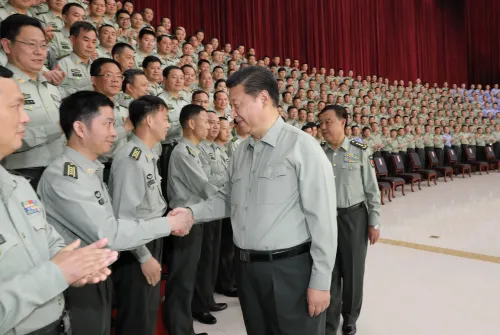
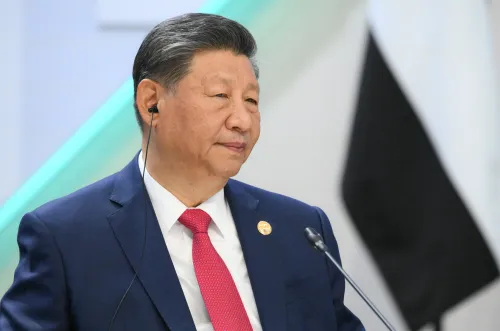
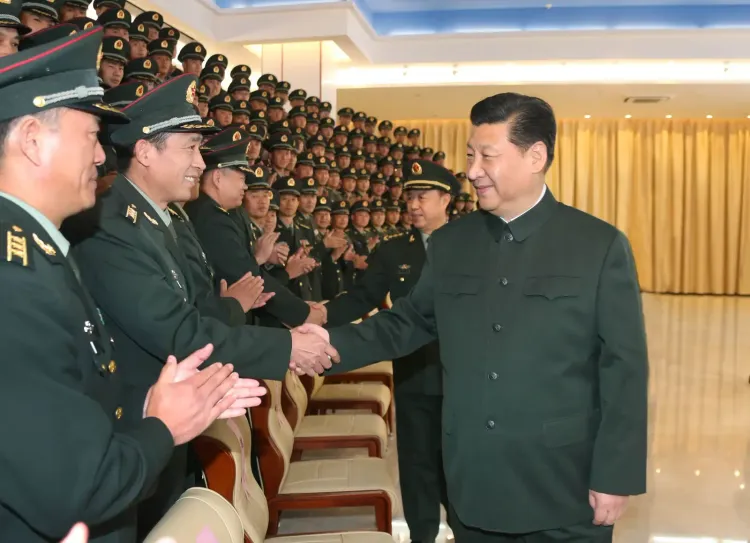
China's widening purge of senior People's Liberation Army (PLA) commanders has exposed a structural dilemma for President Xi Jinping — removing politically suspect officers can be done swiftly, but rebuilding a military leadership that is simultaneously loyal, operationally experienced, and command-credible could take years, according to a report by Mekong News Myanmar.
The Officers Who Were Expelled
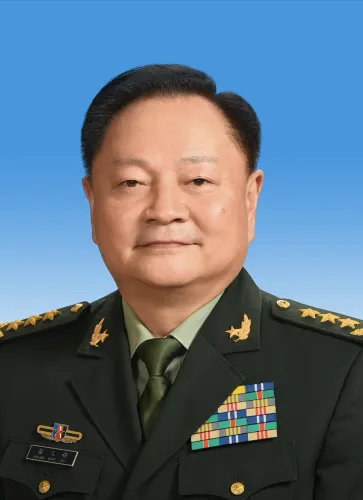
The Chinese Communist Party (CCP) announced on 21 September the expulsion of Zhang Youxia, former vice chairman of the Central Military Commission (CMC), and Liu Zhenli, former chief of the CMC Joint Staff Department, from both the Party and the military. The two were accused of offences including breaches of political discipline, corruption, and factionalism, according to the report.
Zhang had been one of the PLA's most senior figures — formerly second only to Xi in the CMC hierarchy — with extensive links across the military establishment cultivated over decades. Liu, as head of the Joint Staff Department, occupied a pivotal position in China's operational command structure. Their removal, the report noted, does not merely eliminate two individuals but disrupts established networks and relationships at the apex of Chinese military command.
Why the Purge Creates an Institutional Problem
The core challenge, as the report frames it, is institutional rather than political. Senior commanders capable of leading large military organisations typically spend decades acquiring operational experience, professional credibility, and the authority that peers and subordinates accept. 'Replacing them with officers who are simultaneously trusted by Xi and accepted as capable commanders cannot be achieved simply through appointments,' the report stated.
Notably, this is the latest in a series of high-profile PLA purges under Xi, a pattern that critics argue is hollowing out the corps of battle-tested leadership even as China accelerates its military modernisation drive.
Impact on China's Military Modernisation
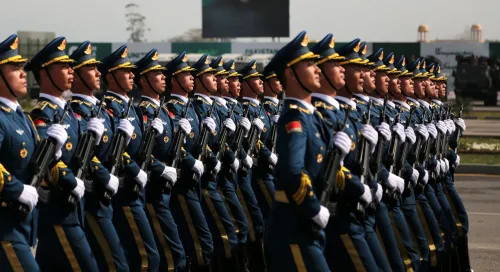
The report argued that the disruption does not necessarily signal a slowdown in China's broader defence programmes. Initiatives centred on artificial intelligence, advanced weapons systems, and next-generation capabilities are expected to continue under existing institutional frameworks. Tighter political oversight, the report suggested, may in fact be designed to ensure these capabilities remain firmly under CCP leadership control rather than in the hands of potentially autonomous military networks.
This comes amid sustained global scrutiny of the PLA's command structure, particularly as tensions in the Taiwan Strait and the South China Sea remain elevated.
The Balance Xi Must Restore
According to the report, restoring the balance between political loyalty and operational competence 'could prove more difficult than the purge itself.' For Xi, the risk is that successive removals — however justified on political grounds — erode the institutional depth that effective military command requires. Finding officers who carry both Xi's trust and the professional authority to lead the PLA's increasingly complex joint operations is, the report concluded, a challenge that appointments alone cannot resolve.
How Xi navigates this succession of command will be closely watched as China's military ambitions and geopolitical assertiveness continue to grow.
Point of View
But a hollowed-out senior command structure is a liability precisely when operational credibility matters most — in a crisis. The deeper question is whether Xi's model of loyalty-first leadership can produce commanders capable of executing the complex joint operations the PLA's own doctrine now demands.
NationPress
10 Oct 2026
Frequently Asked Questions
Who were the senior Chinese military officers expelled in the latest PLA purge?
Zhang Youxia, former vice chairman of the Central Military Commission, and Liu Zhenli, former chief of the CMC Joint Staff Department, were expelled from the Chinese Communist Party and the military on 21 September. Both were accused of breaches of political discipline, corruption, and factionalism.
Why does Xi Jinping's purge of PLA generals pose a long-term challenge?
Removing politically suspect commanders can be done quickly, but rebuilding a leadership that combines political loyalty with operational experience and command authority takes years. Senior military leaders typically spend decades earning the professional credibility and institutional relationships that effective command requires, and appointments alone cannot replicate that.
Will China's military modernisation be affected by the purge?
According to the report, programmes focused on artificial intelligence, advanced weapons, and other capabilities are expected to continue under existing institutional frameworks. Tighter political oversight may even be intended to keep these capabilities firmly under CCP control.
How significant were Zhang Youxia and Liu Zhenli within the PLA?
Zhang was formerly second only to Xi Jinping in the CMC hierarchy and had extensive links across the military establishment. Liu, as head of the Joint Staff Department, held a pivotal position in China's operational command structure. Their removal disrupts decades of cultivated networks at the apex of PLA command.
Is this the first time Xi Jinping has purged senior PLA officers?
No. The expulsion of Zhang Youxia and Liu Zhenli is the latest in a series of high-profile PLA purges under Xi Jinping, a recurring pattern that analysts say is reshaping — and in some assessments, thinning — the corps of experienced military leadership at the top of China's armed forces.