Yemen missile strike kills 25 soldiers at Shabwa military base
Synopsis
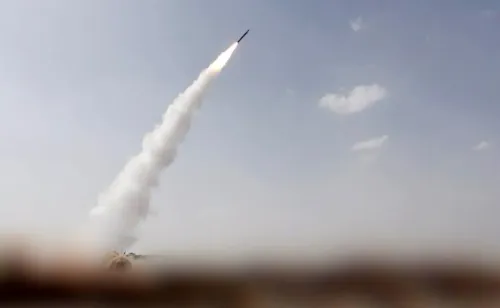
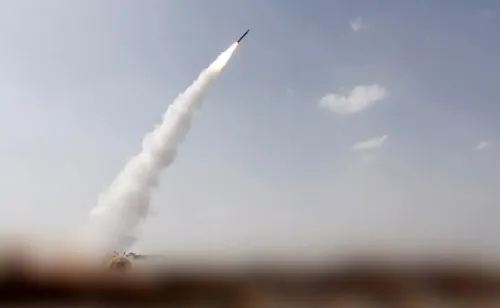
Three missiles tore through the Al-Alam training camp in Yemen's Shabwa province on Monday, killing at least 25 soldiers and wounding more than 30. The strike — blamed on the Houthis, who have not claimed it — came just a day after government forces launched one of their fiercest offensives near the Bab al-Mandeb Strait, a chokepoint critical to global shipping.
Key Takeaways
At least 25 soldiers killed and more than 30 injured after three missiles struck the Al-Alam military base in Shabwa , Yemen, on 19 October .
A government military official blamed the Houthi group for the attack; the Houthis had not claimed responsibility as of reporting.
Casualty figures are preliminary and could rise — some recovered bodies were badly burned, complicating the final toll.
On Sunday, fierce clashes erupted near the Bab al-Mandeb Strait as government forces from the Giants Brigades and Nation Shield Forces launched a fresh offensive against Houthi positions.
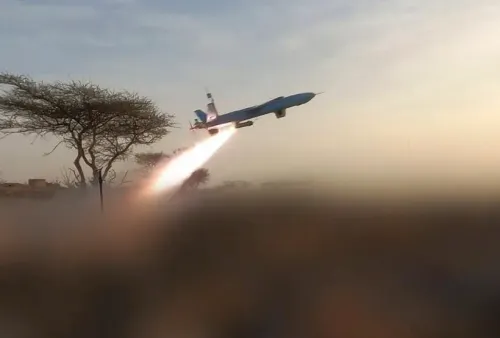
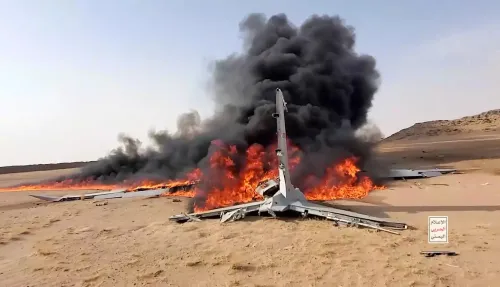
Houthi fighters reportedly deployed fibre-optic-guided kamikaze drones called 'Shawaz' against advancing government troops.
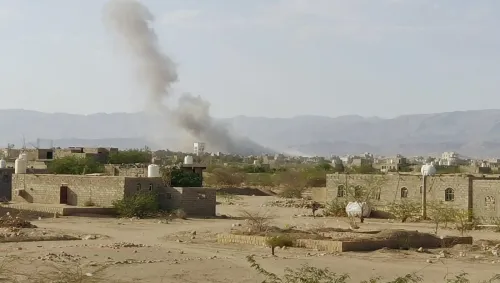
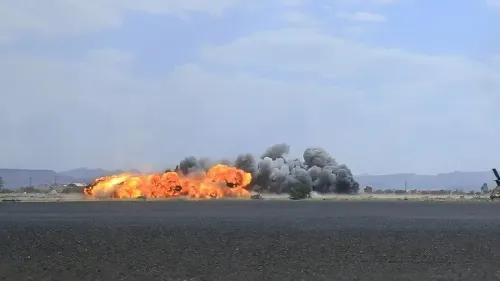
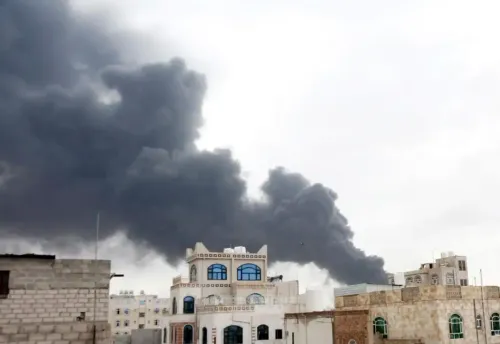
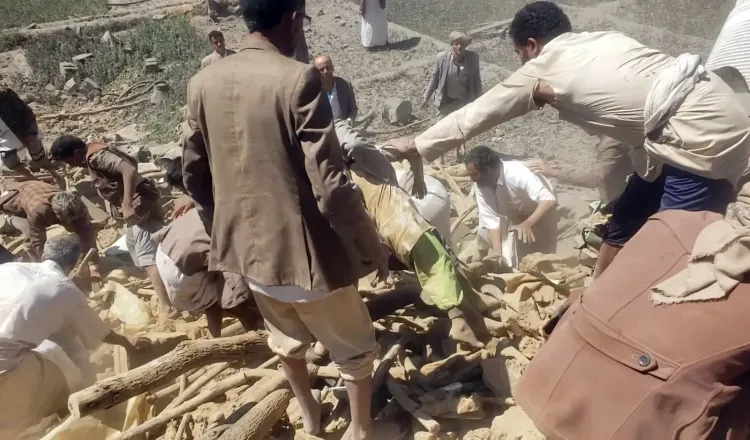
At least 25 soldiers were killed and more than 30 others injured on Monday, 19 October after three missiles struck a government military training base in Yemen's southeastern province of Shabwa, according to a government military official and a local medical source. The attack targeted the Al-Alam military base in Jardan district, near Ataq, the provincial capital, with a government military official — speaking on condition of anonymity — blaming the strike on the Houthi group.
The Attack and Its Scale
The three missiles hit a training camp within the Al-Alam facility, one of the largest military installations in the Jardan district. The base is used by forces aligned with Yemen's internationally recognised government and is supported by the Saudi Arabia-led coalition.
A local medical source said casualty figures remained preliminary and could rise. Some of the bodies recovered from the camp were reportedly badly burned, complicating efforts to establish a final toll. Emergency and medical teams continued evacuating the wounded to hospitals across Shabwa. Footage circulating on social media showed numerous casualties at the scene, though its authenticity could not be independently verified.
Houthis Yet to Claim Responsibility
The Houthi group had not claimed responsibility for the missile strike as of the time of reporting. The incident nonetheless came amid a sharp intensification of fighting between Houthi forces and government troops backed by the coalition across several fronts in Yemen.
Notably, this is not an isolated escalation — Yemen has witnessed repeated strikes on military installations in recent months as both sides have pushed for strategic advantage ahead of any potential ceasefire talks.
Fierce Clashes Near Bab al-Mandeb Strait
The missile strike follows fierce fighting that erupted on Sunday near Yemen's strategically critical Bab al-Mandeb Strait, a key global shipping chokepoint. Government forces launched a fresh offensive, with units from the Giants Brigades and Nation Shield Forces advancing from multiple directions to seize Houthi-held positions overlooking approaches to the strait.
A government military official described the resistance as entrenched: 'The fighting is among the fiercest we have seen in the area. The Houthis are heavily entrenched, and our forces are trying to break through their defensive lines.' Extensive minefields reportedly hampered the government forces' advance, while Houthi fighters deployed fibre-optic-guided first-person-view kamikaze drones — known locally as 'Shawaz' — against the advancing troops.
Strategic Context
The Bab al-Mandeb Strait, connecting the Red Sea to the Gulf of Aden, is a critical corridor for global maritime trade. Houthi control of positions near it has already disrupted international shipping in recent years, drawing international concern and military responses from multiple nations. The latest government offensive signals an attempt to dislodge Houthi presence from positions that give the group leverage over the waterway.
With casualty figures still preliminary and active fighting ongoing on multiple fronts, the situation in Yemen remains fluid and could deteriorate further in the coming days.
Point of View
The simultaneous offensive near Bab al-Mandeb shows both sides are racing to consolidate terrain ahead of any diplomatic window. What mainstream coverage often underplays is the drone dimension: the Houthis' 'Shawaz' fibre-optic kamikaze systems represent a qualitative step up from earlier off-the-shelf drone use, and their deployment near a global shipping chokepoint carries consequences far beyond Yemen's borders.
NationPress
19 Oct 2026
Frequently Asked Questions
What happened at the Al-Alam military base in Yemen?
Three missiles struck the Al-Alam military training base in Yemen's Shabwa province on 19 October, killing at least 25 soldiers and injuring more than 30. A government military official blamed the Houthi group for the attack, though the Houthis had not claimed responsibility as of reporting.
Where is Shabwa province and why is it significant?
Shabwa is a southeastern province of Yemen and home to key oil and gas infrastructure. The Al-Alam base there is a major installation used by forces aligned with Yemen's internationally recognised government and supported by the Saudi Arabia-led coalition.
Have the Houthis claimed the missile attack?
No. As of the time of reporting, the Houthi group had not claimed responsibility for the missile strike on the Al-Alam base, despite a government military official attributing the attack to them.
What is happening near the Bab al-Mandeb Strait?
On the day before the missile strike, government forces launched a fresh offensive near the Bab al-Mandeb Strait, a critical global shipping lane. Units from the Giants Brigades and Nation Shield Forces advanced on Houthi positions, facing entrenched resistance, minefields, and Houthi drone attacks.
Could the death toll from the Shabwa attack rise?
Yes. A local medical source said the casualty figures of 25 killed and 30 injured remained preliminary and could increase. Recovery efforts were complicated by the fact that some bodies were badly burned, making a final toll difficult to establish quickly.