Five missiles strike Yemen's presidential palace in Aden, casualties unclear
Synopsis
Five missiles slammed into Yemen's presidential palace in Aden on Thursday, striking the very seat of the Saudi-backed government in one of the conflict's most direct attacks on power in years. With the Houthis simultaneously warning international airlines off Saudi airspace and the coalition threatening a 'special operation' in Sanaa, the Yemen war is entering a sharply escalatory phase — with no ceasefire in sight after more than a decade of fighting.
Key Takeaways
Five missiles struck Al-Ma'ashiq Palace in Aden's Crater district on 15 October 2026 , targeting Yemen's coalition-backed government.
A local security official attributed the attack to the Houthi group ; casualties and damage remain unclear.
Houthi spokesperson Yahya Saree declared Saudi airspace and airports 'unsafe' for international airlines, exempting only the skies over Mecca and Medina .
The Saudi-led coalition earlier this week intercepted three drones north of Riyadh and announced a planned 'special operation' in Houthi-held Sanaa .
Yemen has been in conflict since late 2014 , when the Houthis seized Sanaa and forced the internationally recognised government to relocate to Aden .
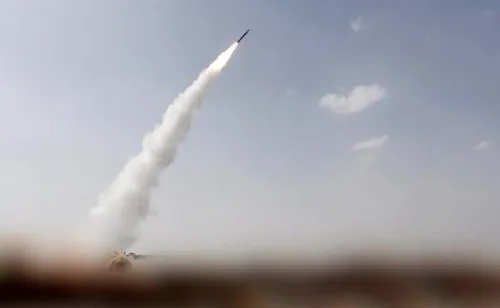
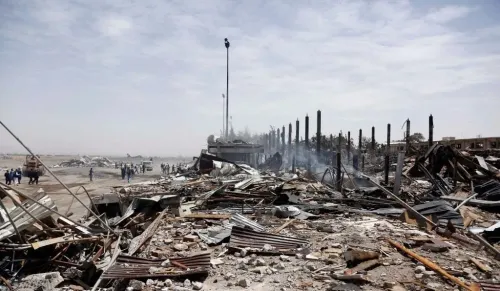
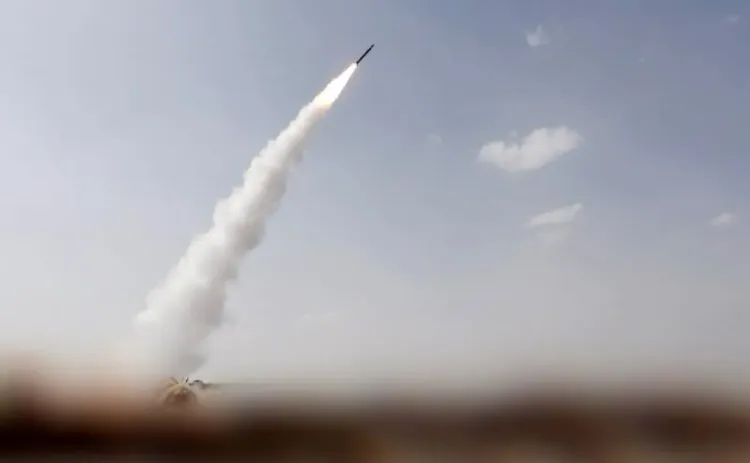
Five missiles struck Al-Ma'ashiq Palace in Aden's Crater district on Thursday, 15 October 2026, targeting the seat of Yemen's internationally recognised government, which is backed by the Saudi-led coalition. A local security official, speaking on condition of anonymity, attributed the attack to the Houthi group, though casualties and the extent of damage remain unclear.
What Happened on the Ground
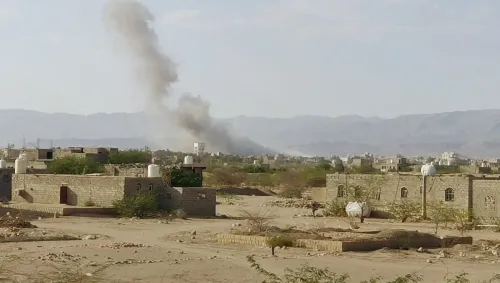
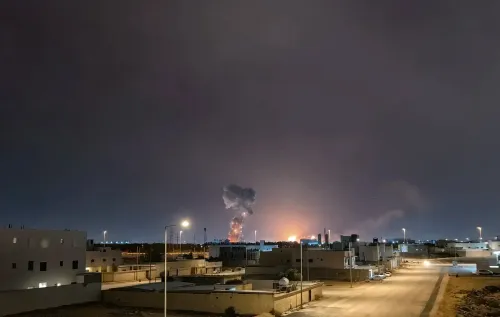
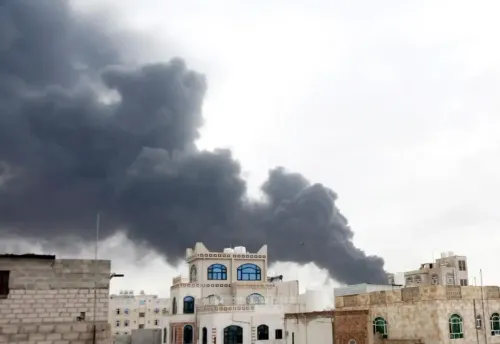
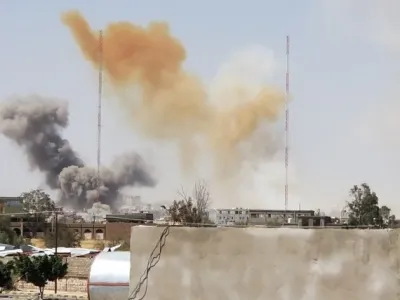
Loud explosions rocked the southern port city of Aden as smoke rose from the vicinity of the palace, according to reporters on the ground. Residents in nearby areas said the blasts were powerful enough to shake their homes. The palace complex houses Yemen's coalition-backed government, making it a high-value symbolic and political target.
Houthis Renew Airline Warning Over Saudi Airspace
Separately, on the same day, the Houthi group renewed its warning to international airlines that Saudi airspace and airports were 'unsafe.' In a statement posted on social media platform X, Houthi military spokesperson Yahya Saree said the warning covered all Saudi airspace and airports, explicitly exempting the airspace over the Muslim holy cities of Mecca and Medina.
In an earlier, separate statement on Thursday, Saree rejected a Saudi allegation that the Houthis had directed an attack toward Medina, saying no such strike had been carried out.
Coalition Issues Evacuation Warning, Intercepts Drones
The developments follow a series of escalatory moves earlier in the week. On Tuesday, the Saudi-led coalition announced it would issue a warning for civilians to evacuate a site in the Houthi-held Yemeni capital Sanaa ahead of what it described as a 'special operation.' Coalition spokesman Turki Al-Maliki, in a post on social media platform X, said the warning would be issued shortly, without disclosing the target or the nature of the planned operation.
Also on Tuesday, the coalition reported intercepting and destroying three drones north of the Saudi capital Riyadh, underscoring the broadening geographic reach of the conflict.
A Conflict Stretching Back to 2014
Yemen has been engulfed in civil war since late 2014, when the Houthi movement seized the capital Sanaa and large swathes of northern Yemen, forcing the internationally recognised government to relocate to Aden. The Saudi-led coalition entered the conflict in 2015 in support of the government. Over a decade on, neither side has achieved a decisive military outcome, and the humanitarian toll has been described by international organisations as one of the world's worst ongoing crises.
The latest wave of strikes and counter-warnings signals a fresh spike in hostilities, with both sides exchanging military threats and attacks in rapid succession over recent days. How the coalition responds to Thursday's palace strike will be closely watched.
Point of View
And a direct challenge to the Saudi-led coalition's ability to protect its own proxy government. The Houthis' simultaneous airline warning, carefully carving out Mecca and Medina, is a calibrated diplomatic signal: they are escalating militarily while avoiding the one move that would unify the Islamic world against them. With the coalition's 'special operation' threat against Sanaa still pending, the next 72 hours carry genuine escalation risk. The broader lesson — that a decade of coalition airpower has neither defeated the Houthis nor secured Aden — is one the international community has been slow to reckon with.
NationPress
16 Oct 2026
Frequently Asked Questions
What happened at the presidential palace in Aden on 15 October?
Five missiles struck Al-Ma'ashiq Palace in Aden's Crater district on 15 October, targeting the seat of Yemen's internationally recognised, Saudi-backed government. A local security official attributed the attack to the Houthi group, though casualties and damage were not immediately confirmed.
Who controls Aden and why is the presidential palace significant?
Aden serves as the base of Yemen's internationally recognised government after the Houthi seizure of the capital Sanaa in late 2014. Al-Ma'ashiq Palace is the government's key administrative compound, making it a high-value political and symbolic target for the Houthis.
What warning did the Houthis issue about Saudi airspace?
Houthi military spokesperson Yahya Saree announced on 15 October that Saudi airspace and airports were 'unsafe' for international airlines, exempting only the airspace over Mecca and Medina. The warning was posted on social media platform X.
What did the Saudi-led coalition announce earlier this week?
The coalition said on Tuesday it would warn civilians to evacuate a site in Houthi-held Sanaa ahead of a planned 'special operation,' without specifying the target. It also reported intercepting and destroying three drones north of the Saudi capital Riyadh on the same day.
How long has the Yemen conflict been going on?
The conflict began in late 2014 when the Houthis seized Sanaa and much of northern Yemen, prompting the Saudi-led coalition to intervene in 2015 in support of the recognised government. More than a decade later, neither side has achieved a decisive outcome, and the crisis remains one of the world's most severe humanitarian emergencies.