Yemen offensive stalls after two weeks: Houthi lines hold near Bab al-Mandeb
Synopsis
Two weeks into Yemen's boldly named 'Dawn of Yemen' offensive, front lines have barely moved. Houthi drone-and-missile defences are holding, the UAE's battlefield withdrawal has left a critical gap in coalition capability, and the group still controls both Mocha and the strategically vital Mayyun Island at Bab al-Mandeb — threatening one of the world's busiest shipping lanes.
Key Takeaways
Yemen's 'Dawn of Yemen' offensive, launched 5 October 2026 , has made little territorial headway after more than two weeks of fighting.
A Southern Giants Brigades source said the only limited advance was near the Bab al-Mandeb strait; no major breakthrough has been achieved.
The UAE's complete military withdrawal from Yemen earlier this year has left a 'significant gap' in coalition operational support, according to the source.
Houthis captured Mocha on 10 September and Mayyun Island on 11 September ; both remain under their control.
Slow progress is attributed to entrenched Houthi defences, extensive use of missiles and drones , and coordination difficulties among government forces.
Yemen's conflict has been ongoing since late 2014 ; the Saudi-led coalition has backed the internationally recognised government since 2015 .
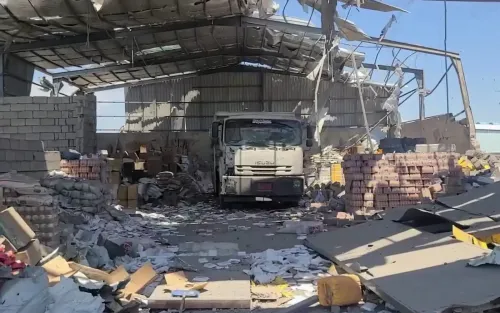
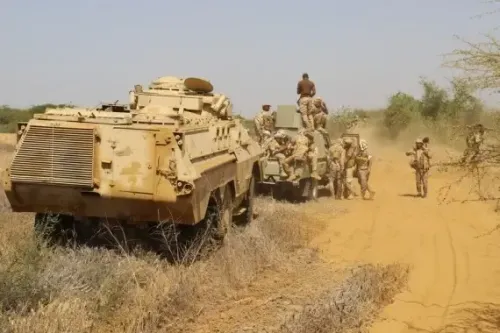
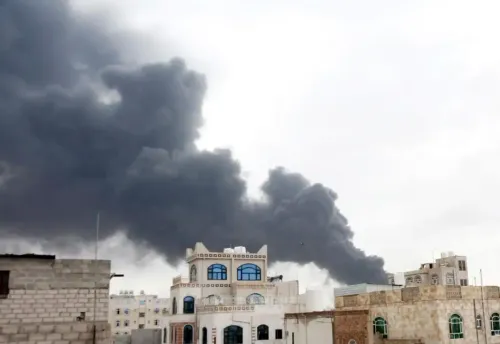
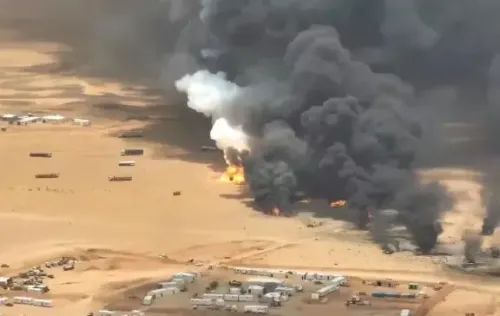
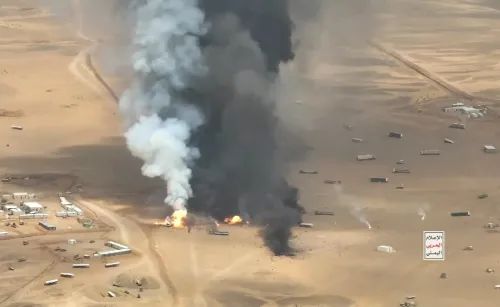
More than two weeks into the Yemeni government's major ground offensive against the Houthi group, front lines have shifted only marginally despite sustained fighting and Saudi Arabia-led coalition air support, according to a military official speaking on Tuesday, 20 October 2026. The campaign — branded 'Dawn of Yemen' — has yet to achieve a significant territorial breakthrough, underlining the durability of Houthi defensive positions in one of the world's most protracted conflicts.
State of the Offensive
A military source within the Southern Giants Brigades told reporters that government forces had made 'little headway across several fronts.' The source, who requested anonymity, said the only notable advance had come near Bab al-Mandeb — the strategic strait at the southern entry point of the Red Sea — but stopped short of characterising it as a decisive gain.
'The fighting is continuing, but significant gains have been limited to advances by our forces near Bab al-Mandeb,' the source said.
The offensive was formally announced in Riyadh on 5 October by Rashad al-Alimi, chairman of Yemen's Presidential Leadership Council. Its stated objectives include recapturing territory held by the Houthis and eventually pushing toward their stronghold in the capital, Sanaa.
Why Progress Has Been Slow
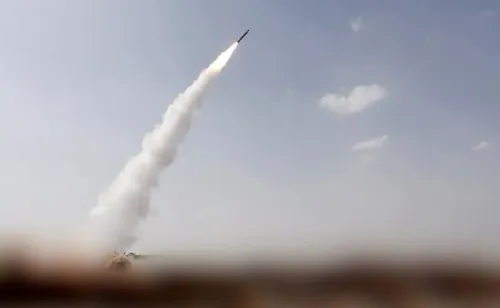
The military source attributed the stalled advance to three compounding factors: entrenched Houthi defensive fortifications, the group's extensive deployment of missiles and drones, and persistent difficulties in coordinating government-aligned factions. 'Breaking through these defences requires time and better coordination,' the source said.
A particularly significant complication, according to the source, is the absence of the United Arab Emirates (UAE) from the battlefield. The UAE had been a cornerstone of the coalition's ground strategy — its training and logistical support enabled anti-Houthi forces to retake Bab al-Mandeb in 2015 and the port city of Mocha in 2017, securing a critical stretch of Yemen's Red Sea coastline. The UAE's complete military withdrawal from Yemen earlier this year has reportedly left 'a significant gap' in operational support, the source said, adding: 'The balance on the ground has changed.'
Recent Houthi Territorial Gains
The strategic context underscores the urgency of the government offensive. The Houthis captured Mocha on 10 September and seized Mayyun Island — positioned at the heart of the Bab al-Mandeb Strait — a day later on 11 September. Both locations remain under Houthi control despite repeated government counteroffensives aimed at reclaiming the key Red Sea shipping corridor.
Mayyun Island's strategic value is considerable: it sits astride one of the world's busiest maritime chokepoints, through which an estimated 10–15% of global trade transits annually. Houthi control of that position gives the group significant leverage over regional shipping, a factor that has drawn international attention beyond the immediate conflict.
Conflict Background and What Comes Next
Yemen has been embroiled in civil war since late 2014, when the Houthis seized Sanaa and extended their control across much of the country's north. The Saudi Arabia-led coalition intervened in 2015 in support of the internationally recognised government, but a decade of fighting has produced a deeply fragmented battlefield with no side capable of a decisive military resolution.
Analysts note that the 'Dawn of Yemen' offensive reflects renewed government ambition following a period of relative stalemate, but the slow early progress mirrors patterns from previous large-scale campaigns. With the UAE's support absent and Houthi drone-and-missile tactics proving costly, the timeline for any meaningful territorial recapture remains uncertain. The coming weeks will test whether coalition air power alone can shift the calculus on the ground.
Point of View
But the early results point to a familiar pattern: air superiority does not translate into ground control when defenders are entrenched and drone-capable. The UAE's exit is a genuinely consequential variable — it was Emirati training and logistics, not Saudi air power, that retook Bab al-Mandeb and Mocha in the first place. Without that ground enabler, the Saudi-led coalition is attempting a different campaign with a weaker toolkit. The Houthi seizure of Mayyun Island also adds a new layer of strategic complexity: control of the Bab al-Mandeb chokepoint is no longer a purely Yemeni civil-war issue, but a global shipping-security variable that could draw in outside actors in ways that reshape the conflict's diplomacy.
NationPress
20 Oct 2026
Frequently Asked Questions
What is the 'Dawn of Yemen' offensive?
'Dawn of Yemen' is a major military operation launched by Yemen's internationally recognised government, announced in Riyadh on 5 October 2026 by Presidential Leadership Council chairman Rashad al-Alimi. The offensive aims to recapture territory held by the Houthi group and eventually advance on the capital, Sanaa, with backing from Saudi Arabia-led coalition airstrikes.
Why has the Yemen offensive made little progress?
A military source from the Southern Giants Brigades attributed slow progress to entrenched Houthi defensive positions, the group's heavy use of missiles and drones, and difficulties coordinating government-aligned forces. The source also cited the UAE's complete military withdrawal from Yemen as leaving a significant gap in operational support.
Why is Bab al-Mandeb strategically important?
Bab al-Mandeb is the strait connecting the Red Sea to the Gulf of Aden and serves as one of the world's busiest maritime chokepoints, through which an estimated 10–15% of global trade passes. Houthi control of Mayyun Island, seized on 11 September, gives the group a dominant position over this corridor, with implications for regional and global shipping security.
What is the UAE's role — or absence — in the Yemen conflict?
The UAE was a key member of the Saudi-led coalition and played a central role in training and equipping anti-Houthi forces that retook Bab al-Mandeb in 2015 and Mocha in 2017. Its complete military withdrawal from Yemen earlier in 2026 has, according to a government military source, left a significant operational gap that current coalition efforts have not been able to fill.
How long has the Yemen conflict been ongoing?
Yemen has been in civil war since late 2014, when the Houthis seized the capital Sanaa and extended control over much of northern Yemen. The Saudi Arabia-led coalition intervened in 2015 to support the internationally recognised government, making this a conflict now entering its second decade with no clear military resolution in sight.