Is Muhammad Yunus Leveraging Chaos to Maintain Power in Post-Election Bangladesh?
Synopsis
Discover the unfolding political drama in Bangladesh as Muhammad Yunus attempts to consolidate power amidst allegations of foreign influence. With a ban on the Awami League and a controversial alliance with the Jamaat-e-Islami, the upcoming elections could reshape the country's future. Will chaos reign, or can stability be restored?
Key Takeaways
Muhammad Yunus has been accused of foreign influence.
The Awami League has been barred from elections.
Yunus's alliance with the Jamaat-e-Islami raises political stakes.
Political violence is expected to continue.
Yunus seeks to shield himself from legal repercussions.
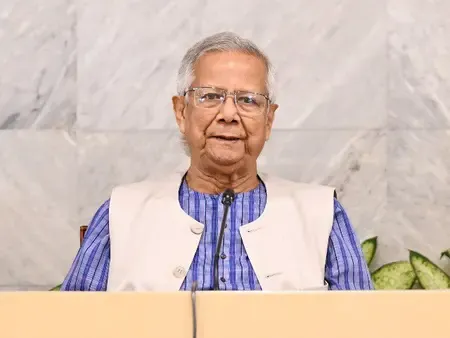
New Delhi, Feb 5 (NationPress) When Muhammad Yunus assumed the role of caretaker for the interim government in Bangladesh, he faced accusations of being a foreign agent. His actions over the past eighteen months have seemingly validated those claims, as he has significantly opened the nation to influences from Pakistan and China.
However, many have overlooked a strategic long-term plan that Yunus has orchestrated with assistance from foreign entities, aimed at retaining power beyond the electoral process. One of his initial moves was to impose a ban on the Awami League, led by Sheikh Hasina, following her removal from power.
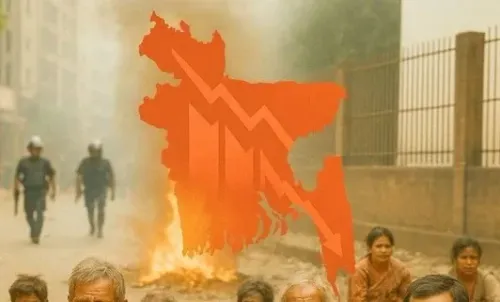
The Awami League, now unable to contest the elections, has condemned this decision as unjust. The party's numerous supporters have been engaged in persistent street confrontations with members of the Jamaat-e-Islami and the Bangladesh Nationalist Party (BNP). This violence shows little sign of abating and is predicted to escalate even post-elections.
Moreover, Yunus has brokered an agreement with the Jamaat-e-Islami, promising to assume the presidency should the party emerge victorious in the elections. To facilitate this outcome, Yunus has made various concessions to bolster the Jamaat's chances.
With backing from the ISI, Yunus has facilitated the release of numerous terrorists, extremists, and criminals from incarceration. These individuals have been unleashed on the streets, engaging in violent acts such as kidnapping, murder, and extortion.
For Yunus, becoming President is crucial for the ISI, according to an official. Should violence persist post-elections, which is highly likely, the President may invoke constitutional powers. Article 141A of the Bangladesh Constitution grants the President emergency powers, akin to provisions in Pakistan's Constitution historically used to establish hybrid regimes. Such precedents occurred in Bangladesh during 1975, 1981, and 2007, with experts not dismissing the possibility of the President exercising these powers again.
If the BNP were to regain power, Yunus may encounter significant challenges, as the party would likely oppose his presidency unless swayed by foreign influences. Intelligence Bureau officials highlight ongoing violence in Bangladesh as a persistent issue, exacerbated by the intense rivalry between the BNP and Jamaat, particularly following the return of Tarique Rahman, son of the late Khaleda Zia. This rivalry could lead to extensive violence, thereby providing the President with grounds to invoke emergency powers.
Furthermore, the Awami League supporters are likely to demand the nullification of the elections, adding to the prevailing chaos. Yunus has also ensured his legal immunity from potential repercussions, despite several cases initiated against him and entities linked to him, including Grameen Bank and Grameen Telecom.
These allegations encompass embezzlement of worker welfare funds, tax evasion, and violations of labor laws, with considerable funds misappropriated without consent. Although these cases were progressing smoothly under Hasina's leadership, they have since stagnated under Yunus, who has been working to reshape his public image.
According to an insider, Yunus likely would have preferred to delay elections for a few more years. However, he announced the elections to avoid any further damage to his reputation.
Observers of Bangladesh contend that Yunus has contributed to the nation's turmoil. He has taken every measure to ensure his continued leadership beyond the elections. Moving forward, Yunus is expected to leverage all available resources to secure a Jamaat victory, paving the way for his presidency, as suggested by experts.
Additionally, an official noted that rectifying the country's chaos is a formidable challenge, emphasizing that India must guarantee its territorial security. There is dissent within the BNP, with factions advocating for an alliance with the Jamaat. If the top leadership of the BNP capitulates and collaborates with the Jamaat, it would create a favorable situation for Yunus's presidential ambitions, according to officials.
Point of View
The situation in Bangladesh is precarious. As the political landscape shifts with Muhammad Yunus at the helm, one must observe the implications of his foreign alliances and the potential for unrest. The nation's stability hinges on the actions of both Yunus and opposition forces. Our commitment remains with the people of Bangladesh, advocating for transparency and justice in this tumultuous time.
NationPress
20 Sept 2026
Frequently Asked Questions
What role is Muhammad Yunus playing in Bangladesh's government?
Muhammad Yunus is serving as the caretaker of the interim government, with allegations of foreign influence impacting his leadership.
Why was the Awami League banned from elections?
The Awami League was banned following the ouster of Sheikh Hasina, prompting accusations of unfair political maneuvering.
What are the implications of Yunus's alliance with the Jamaat-e-Islami?
The alliance could pave the way for Yunus to become president if the Jamaat wins, raising concerns about potential instability.
How does violence play a role in the upcoming elections?
Ongoing street battles and political rivalries suggest that violence may escalate during and after the elections.
What legal challenges does Yunus face?
Yunus is facing various allegations, including embezzlement and labor law violations, which he has sought to mitigate.