Zambia launches Kafue Flats project to restore ecosystems and boost livelihoods
Synopsis
Zambia has launched the Kafue Flats Wildlife, Habitat, Health and Livelihood Project — one of the most comprehensive ecosystem restoration efforts in southern Africa — targeting habitat degradation, climate vulnerability, and community livelihoods in a floodplain that underpins agriculture, power generation, and biodiversity across the region.
Key Takeaways
Zambia launched the Kafue Flats Wildlife, Habitat, Health and Livelihood Project on 29 May 2025 in Southern Province .
The project is implemented with WWF Zambia and the International Crane Foundation .
It aims to restore degraded ecosystems, protect wildlife, and promote sustainable livelihoods for local communities.
Permanent Secretary Douty Chibamba cited climate change, pollution, and human-wildlife conflict as key threats to the Kafue Flats.
WWF Country Director Nalucha Nganga-Ziba highlighted community resilience to water scarcity and flooding as a central goal.
The Kafue Flats supports Zambia's agriculture, sugar production, cattle rearing, and power generation sectors.
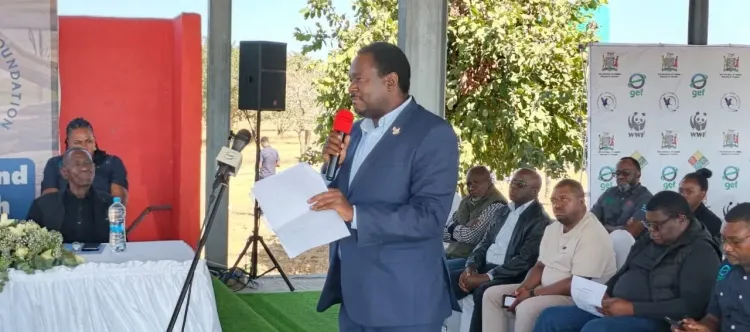
Zambia on Friday, 29 May officially launched the Kafue Flats Wildlife, Habitat, Health and Livelihood Project in Southern Province, a multi-partner initiative aimed at restoring degraded ecosystems, protecting wildlife, and improving the economic resilience of local communities. The project is being implemented in collaboration with World Wildlife Fund (WWF) Zambia and the International Crane Foundation.
What the Project Covers
The initiative targets the Kafue Flats — a vast floodplain ecosystem in southern Zambia — and is designed to address a range of interconnected challenges including habitat degradation, unsustainable land-use practices, human-wildlife conflict, and the growing impacts of climate change. It also seeks to strengthen biodiversity conservation, support livelihood diversification, and deepen community participation in environmental stewardship.
What the Government Said
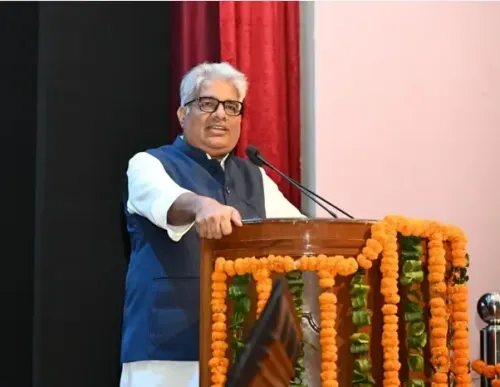
Douty Chibamba, Permanent Secretary in Zambia's Ministry of Green Economy and Environment, said the project reflects the government's commitment to safeguarding the country's natural resources while improving welfare for local communities. He acknowledged that the Kafue Flats ecosystem underpins several critical sectors of the Zambian economy, including agriculture, sugar production, cattle rearing, and power generation.
'This important ecosystem is increasingly under pressure from climate change, unsustainable land-use practices, habitat degradation, pollution, human-wildlife conflict, and increasing socio-economic vulnerabilities among local communities,' Chibamba said. He stressed that 'success will depend on collective ownership, transparency, accountability and active participation by all stakeholders.'
WWF's Role and Community Resilience
Nalucha Nganga-Ziba, WWF Country Director in Zambia, said the project presents a significant opportunity to strengthen both water resource management and biodiversity conservation while improving livelihoods across the landscape. She highlighted climate adaptation as a core objective, noting that with increasing variability in seasonal conditions, the project 'will strengthen community resilience to both water scarcity and flooding.'
Why the Kafue Flats Matter
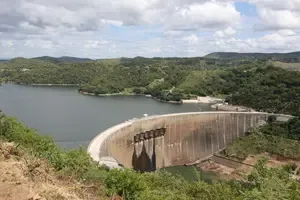
The Kafue Flats is one of Africa's largest floodplains and a globally significant wetland, supporting a rich array of wildlife, migratory birds — including the endangered wattled crane — and millions of people who depend on its resources. Decades of encroachment, pollution, and erratic rainfall linked to climate change have placed the ecosystem under mounting stress, making restoration efforts increasingly urgent.
What Comes Next
With institutional backing from both the Zambian government and international conservation bodies, the project is expected to roll out community-level programmes focused on sustainable economic activities. The long-term goal is to create a model where environmental protection and human development reinforce each other across the Kafue Flats landscape.
Point of View
Or whether it becomes a checkbox exercise. Zambia's floodplains have faced decades of policy neglect; the involvement of WWF and the International Crane Foundation adds credibility, but sustained government funding and transparent accountability mechanisms will determine whether this initiative outlasts the press release.
NationPress
19 Sept 2026
Frequently Asked Questions
What is the Kafue Flats Wildlife, Habitat, Health and Livelihood Project?
It is a conservation and livelihood initiative launched by Zambia on 29 May 2025 in Southern Province, in partnership with WWF Zambia and the International Crane Foundation. The project aims to restore degraded ecosystems, protect wildlife, strengthen climate resilience, and support sustainable livelihoods for local communities in the Kafue Flats region.
Where is the Kafue Flats and why does it matter?
The Kafue Flats is one of Africa's largest floodplains, located in southern Zambia. It supports critical sectors of the Zambian economy including agriculture, sugar production, cattle rearing, and power generation, as well as significant biodiversity including endangered bird species.
What threats does the Kafue Flats ecosystem face?
According to Permanent Secretary Douty Chibamba, the ecosystem faces pressure from climate change, unsustainable land-use practices, habitat degradation, pollution, human-wildlife conflict, and rising socio-economic vulnerabilities among local communities.
Who are the partners in this project?
The project is a government-led initiative implemented in partnership with WWF Zambia and the International Crane Foundation, with the Ministry of Green Economy and Environment playing a central coordinating role.
How will local communities benefit from the project?
The project is designed to support livelihood diversification, strengthen community participation in environmental stewardship, and build resilience to both water scarcity and flooding. It also aims to create opportunities for sustainable economic activities tied to the health of the Kafue Flats landscape.