Zelensky ends refinery strike pause, calls US moves a 'betrayal' of Ukraine
Synopsis
Zelensky has declared Ukraine's three-day pause on refinery strikes over, accusing the US of betrayal after Starlink was restricted and intelligence sharing was cut — even as Trump publicly suggested Putin is more willing to make peace than Kyiv. The energy ceasefire, announced just last week, appears to have collapsed before it ever truly began.
Key Takeaways
Volodymyr Zelensky announced on 15 October 2026 that Ukraine would resume strikes on Russian oil refineries , ending a three-day pause.
Ukraine paused energy strikes to comply with a US-brokered 'energy ceasefire' , but says Russia continued attacking Ukrainian infrastructure throughout.
SpaceX restricted Starlink services, reportedly hampering Ukraine's attack and air-defence drone missions.
Zelensky described the US moves — Starlink restrictions and intelligence cutoffs — as a 'betrayal' in remarks to British broadcaster Piers Morgan .
President Trump claimed Putin is more willing to reach a peace deal than Zelensky, even as Russia's compliance with the ceasefire remained unverified.
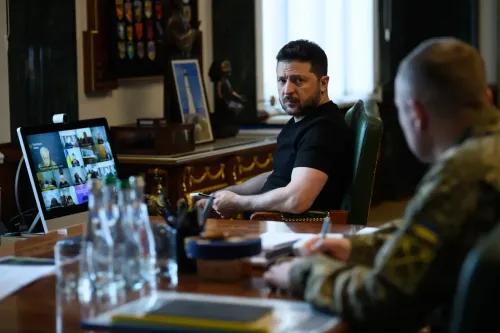
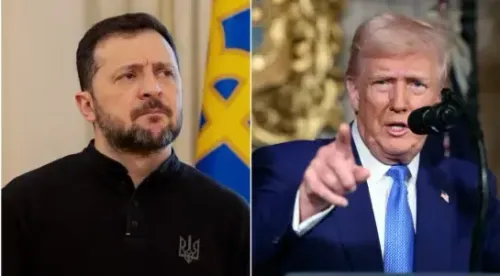
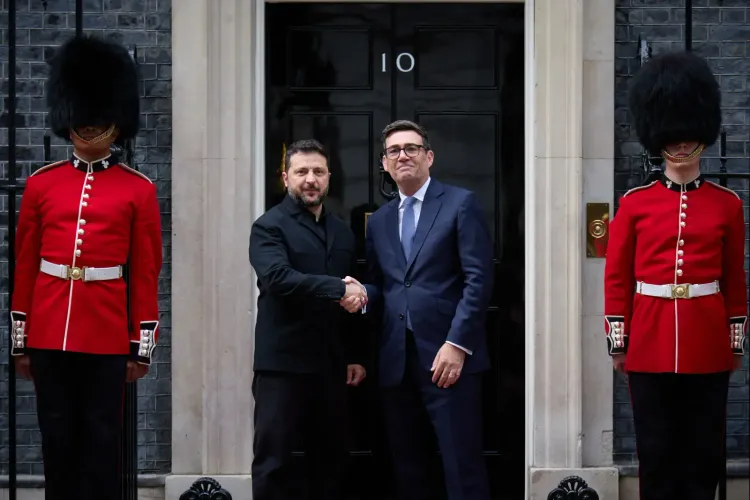
Ukrainian President Volodymyr Zelensky announced on Thursday, 15 October 2026 that Ukraine would resume strikes on Russia's oil refineries, declaring the brief pause over and describing recent United States actions — including restrictions on Starlink services and intelligence sharing — as a betrayal of Kyiv. The statements, made to British media during a visit to London, mark a sharp deterioration in US-Ukraine relations and cast serious doubt on the viability of the US-brokered 'energy ceasefire' announced last week.
Zelensky Ends the Pause on Refinery Strikes
Speaking in an interview with the Financial Times, Zelensky said Ukraine had halted energy strikes for three days in compliance with the ceasefire framework announced by US President Donald Trump. He argued, however, that Russia continued attacking Ukrainian energy infrastructure throughout that period. 'The block (on attacking refineries) is out. We're done,' he said, signalling the end of Ukraine's self-imposed restraint. The ceasefire proposal, as announced by Trump, had called for both sides to halt strikes on energy targets, though Russian President Vladimir Putin reportedly never publicly committed to it.
Starlink Restrictions and Intelligence Cutoff
Zelensky also raised alarm over two specific US actions he described as 'dangerous' for Ukraine's war effort. On Wednesday, Ukraine confirmed that SpaceX had restricted Starlink services, reportedly hampering the country's attack and air-defence drone missions — a significant operational blow given Ukraine's deep reliance on satellite connectivity on the front line. Separately, the US also curtailed intelligence sharing with Kyiv, according to reports. Zelensky described these moves as 'really strange' and 'something absolutely crazy.' When asked whether he was angry at SpaceX CEO Elon Musk, he responded: 'I think he is not right. It's a big mistake… I don't know him or (if) somebody pushed him to… I don't know really.'
Zelensky Says He Feels 'Betrayed' by Washington
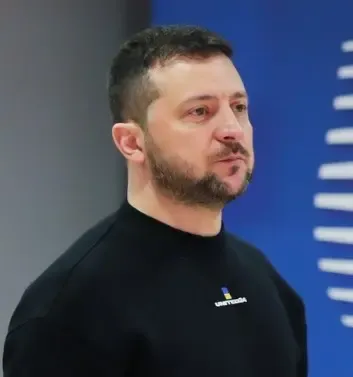
In a separate appearance with British broadcaster Piers Morgan, Zelensky admitted he felt 'betrayed' by the recent US decisions. He specifically objected to US pressure to avoid striking diesel infrastructure: 'They (the United States) wanted us not to attack diesel. My opinion was it's not fair.' The remarks signal a rare and candid break between Kyiv and Washington, and come amid mounting questions about the consistency of US support as the conflict enters a critical phase.
Trump Claims Putin Is More Willing to Make a Deal
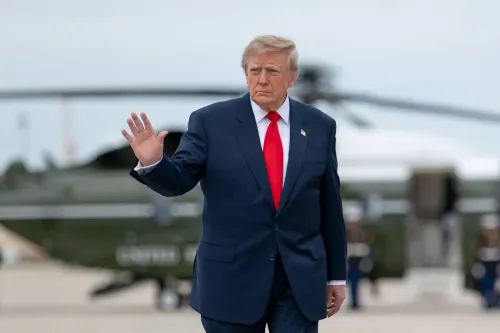
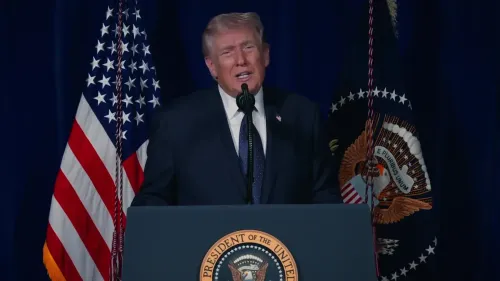
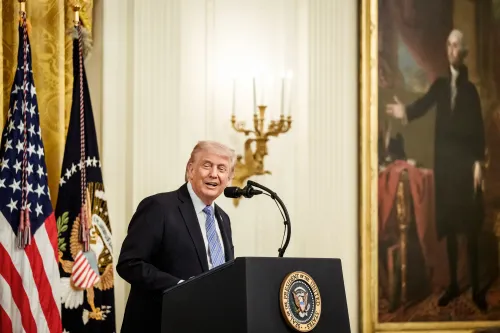
The tensions are compounded by public statements from President Trump suggesting that Putin is more receptive to a peace agreement than Zelensky. 'I think, actually, Putin wants to make a deal more than Zelensky,' Trump told reporters at the White House before departing for a political rally in Ohio. His remarks came as journalists pressed him on continued Russian strikes against Ukrainian energy infrastructure and whether Moscow had formally agreed to the ceasefire proposal. Trump insisted both sides supported the initiative, even as reporters noted that Putin had offered no public commitment. This framing — placing greater blame on Kyiv for the stalled ceasefire — has drawn criticism from European allies who see it as rewarding Russian non-compliance.
What This Means for the Ceasefire Proposal
The unravelling of the energy ceasefire framework, just days after it was announced, underscores the fragility of US-led mediation efforts. Ukraine's resumption of refinery strikes is likely to escalate Russian counter-strikes on Ukrainian energy infrastructure, deepening the humanitarian toll heading into winter. Notably, this is not the first time a proposed ceasefire arrangement in the conflict has collapsed before implementation. European partners, who were not party to the ceasefire talks, are now watching closely to assess whether Washington remains a credible mediator. The coming days will be decisive in determining whether diplomatic channels can be reopened or whether the conflict enters a more dangerous phase.
Point of View
It sets a precedent that allies across the Indo-Pacific and elsewhere will note with unease.
NationPress
15 Oct 2026
Frequently Asked Questions
Why is Ukraine resuming strikes on Russian refineries?
Ukraine resumed refinery strikes after a self-imposed three-day pause that Kyiv observed as part of the US-announced 'energy ceasefire.' Zelensky said Russia continued striking Ukrainian energy infrastructure during the pause, making continued restraint untenable.
What did Zelensky say about Starlink restrictions?
Zelensky described SpaceX's restriction of Starlink services as 'something absolutely crazy' and 'dangerous' for Ukraine. Ukraine confirmed the restrictions on Wednesday, saying they were hampering its attack and air-defence drone missions.
Why does Zelensky say he feels betrayed by the United States?
Zelensky said the US asked Ukraine not to strike diesel infrastructure as part of the ceasefire, while Russia faced no equivalent enforcement. He also cited the Starlink restrictions and intelligence cutoffs as actions that undermined Ukraine's security rather than supporting it.
What did Trump say about Putin and Zelensky?
Trump told reporters at the White House that Putin appeared more willing to reach a peace deal than Zelensky. He insisted both sides supported the energy ceasefire proposal, even though reporters noted Putin had not publicly committed to it.
What is the US-brokered energy ceasefire?
The energy ceasefire was a proposal announced by President Trump last week, calling on both Russia and Ukraine to halt strikes on each other's energy infrastructure. Russia reportedly never publicly committed to it, and Ukraine says Moscow continued such strikes during the period it observed the pause.