Kremlin welcomes Trump's call to halt Ukraine strikes on Russian refineries
Synopsis
Trump's Truth Social post claiming a mutual Ukraine-Russia energy truce drew swift Kremlin praise — but zero verifiable detail. No facilities named, no negotiator identified, no joint statement from Kyiv. Whether this is diplomatic groundwork or social media noise could define the next phase of the conflict's energy dimension.
Key Takeaways
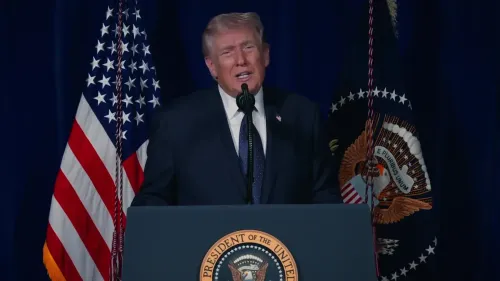
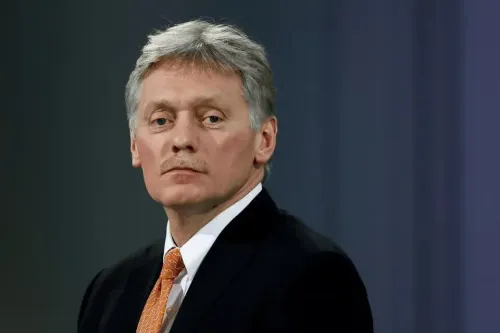
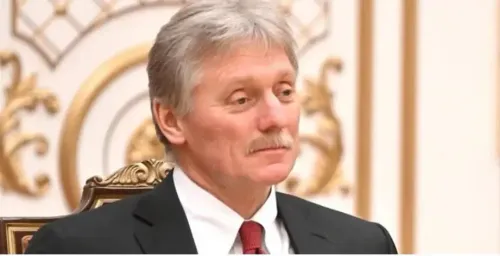
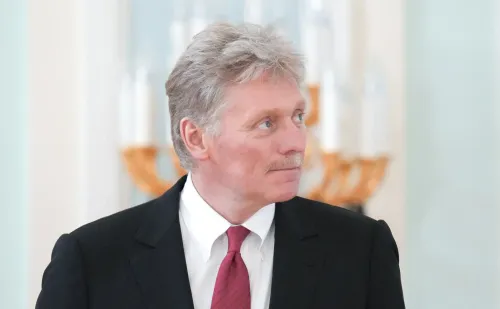
Kremlin Spokesman Dmitry Peskov on 14 September welcomed US President Donald Trump 's call for Ukraine to stop striking Russian fuel facilities.
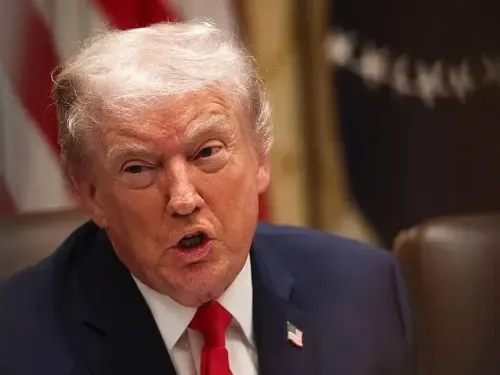
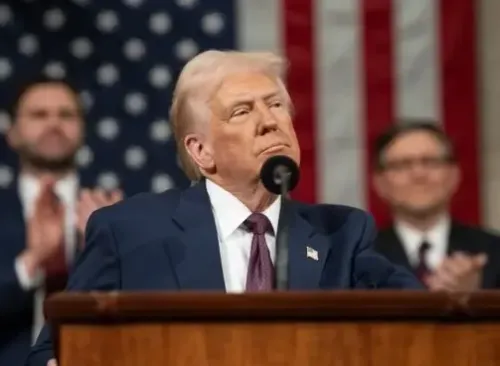
Trump posted on Truth Social that both Ukraine and Russia had agreed not to target each other's energy infrastructure — without naming negotiators, covered facilities, or conditions.
Peskov said any nation using influence on Kyiv to show “greater flexibility” would contribute to the settlement process.
Trump attributed global diesel price rises to the Russia-Ukraine war rather than Iran , citing no supporting data.
The announcement covers only energy strikes — it does not signal a broader ceasefire or halt to combat operations.
UN monitors have documented extensive damage to energy infrastructure on both sides since Russia's full-scale invasion began in February 2022 .
The Kremlin on Monday, 14 September welcomed US President Donald Trump's call on Ukraine to stop attacking Russia's fuel-producing facilities, with spokesman Dmitry Peskov describing such appeals as a positive step toward settlement. The remarks came after Trump posted on Truth Social that both Ukraine and Russia had agreed not to strike each other's energy targets — though the announcement carried no verifiable details.
What the Kremlin Said
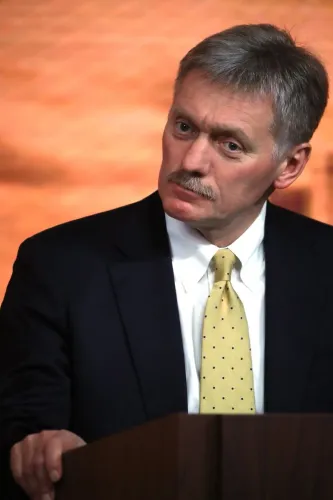
Kremlin Spokesman Dmitry Peskov called Trump's intervention broadly constructive. “Any call on Kyiv to stop attacks on civilian economic infrastructure can only be welcomed,” Peskov said. He added: “Any countries can use their influence on Kyiv to encourage it to show greater flexibility, which would be a significant contribution to the settlement process.”
The remarks signal Moscow's openness to external diplomatic pressure on Ukraine — at least on the narrow question of energy infrastructure — without committing to a broader ceasefire.
Trump's Truth Social Announcement
In a post on Truth Social on Monday, Trump claimed that Ukraine had agreed not to strike Russian energy targets and that “Russia has agreed to do likewise!” The announcement offered no details about which facilities were covered, whether either side had attached conditions, or whether any commitments had already taken effect. Trump did not identify who negotiated the arrangement or describe any preceding talks.
Trump also attributed the rise in global diesel prices to the Russia-Ukraine war rather than to Iran, writing: “The World's Diesel price rise is mostly caused by the Russia/Ukraine War, not Iran.” He offered no figures, timeframe, or supporting data for that assessment, and did not elaborate on the reference to Iran.
What the Announcement Does Not Cover
Crucially, the Truth Social post did not announce a broader ceasefire or indicate that fighting beyond energy-related strikes would stop. It remains unclear whether the reported understanding has any formal standing or monitoring mechanism behind it.
Notably, this is a unilateral social media announcement — not a jointly signed document or statement from Kyiv. Ukraine has not independently confirmed the terms as Trump described them.
The Broader Energy Damage Since 2022
Energy infrastructure has been extensively damaged since Russia launched its full-scale invasion of Ukraine in February 2022. A United Nations Development Programme assessment documented wide-scale damage to Ukraine's electricity networks and generating facilities. UN human rights monitors have recorded disruptions to heating, water, healthcare, and schooling following attacks on Ukraine's energy system. They have also reported Ukrainian strikes on electricity and heating infrastructure in Russia's Belgorod region.
What Comes Next
Whether either side observes the reported energy truce remains to be seen. The lack of a formal mechanism, independent verification, or joint statement means the announced understanding is, for now, Trump's word alone. Any sustained halt to energy strikes — if it holds — could reduce civilian harm on both sides, but analysts and observers are likely to watch closely for violations.
Point of View
Yet here Peskov's response was almost immediate and notably warm. That itself is a signal: a narrow energy truce, if it holds, would benefit Russia's refinery output more than Ukraine's dispersed and already-degraded grid. Trump's post, meanwhile, is conspicuously thin on detail for what would be a significant diplomatic development — no negotiator named, no facility list, no Kyiv confirmation. The pattern resembles earlier Trump-era conflict announcements that generated headlines but dissolved under scrutiny. The real test is whether Ukraine independently confirms the terms and whether either side observes them in the days ahead.
NationPress
15 Sept 2026
Frequently Asked Questions
What did the Kremlin say about Trump's call to halt Ukraine strikes on Russian refineries?
Kremlin Spokesman Dmitry Peskov said on 14 September that any appeal to Kyiv to stop attacks on civilian economic infrastructure ‘can only be welcomed.’ He also said third-party countries using influence on Ukraine to show flexibility would contribute to the peace settlement process.
What exactly did Trump announce on Truth Social?
Trump posted on Truth Social that Ukraine had agreed not to strike Russian energy targets and that Russia had agreed to do likewise. The post gave no details on which facilities are covered, no negotiator, no conditions, and no timeline for when the commitment took effect.
Does the energy truce announcement mean a ceasefire is imminent?
No. Trump's Truth Social post explicitly did not announce a broader ceasefire. Combat operations beyond energy-infrastructure strikes are not addressed, and neither side has produced a formal, jointly verified agreement.
Why has energy infrastructure become central to the Russia-Ukraine conflict?
Since Russia launched its full-scale invasion in February 2022, both sides have struck each other's energy systems. The UN Development Programme has documented extensive damage to Ukraine's electricity networks, while UN human rights monitors have recorded Ukrainian strikes on infrastructure in Russia's Belgorod region, with civilians on both sides affected.
What did Trump say about global diesel prices?
Trump claimed that the rise in global diesel prices is mostly caused by the Russia-Ukraine war rather than Iran, but he provided no figures, timeframe, or supporting data for the assertion and did not elaborate on the Iran reference.