Zelensky offered Starshield deal to halt Russia energy strikes: US senator
Synopsis
Ukrainian President Zelensky told a US congressional delegation he would stop attacking Russian energy facilities 'tomorrow' — if Washington gave Ukraine access to Starshield military satellite targeting. The three-part proposal, which also includes joint Patriot production and tighter Russia sanctions, was developed by Senate Armed Services chairman Roger Wicker and has already been discussed with the White House, Pentagon and State Department.
Key Takeaways
President Zelensky offered to immediately halt attacks on Russian energy facilities in exchange for US Starshield satellite targeting access.
The proposal was designed by Senator Roger Wicker , chairman of the Senate Armed Services Committee , and presented during a recent congressional visit to Ukraine .
Zelensky made three requests : Starshield access, joint production of Patriot missile interceptors , and stronger enforcement of US sanctions against Russia .
Senator Kevin Cramer confirmed the proposal was discussed with the White House , Pentagon , and State Department before the delegation met Zelensky.
No agreement on Starshield access has been reached; the disclosure comes as the Trump administration has reportedly suspended enforcement of new Russia sanctions.
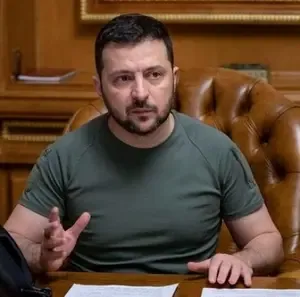
Ukrainian President Volodymyr Zelensky has offered to immediately stop attacks on Russian energy facilities in exchange for expanded American satellite targeting capabilities that would allow Ukrainian forces to strike missile and drone launch sites deep inside Russia, a senior Republican senator disclosed on 19 October 2026. The proposal, if accepted, would mark a significant shift in Ukraine's offensive strategy — redirecting strikes from civilian infrastructure to military origins.
The Three-Part Ukrainian Proposal
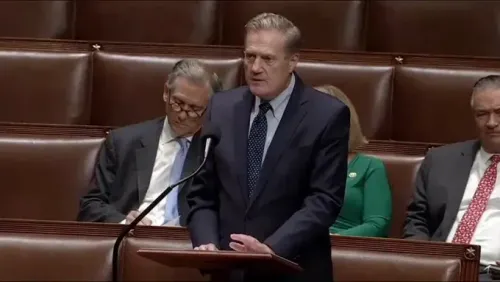
Senator Kevin Cramer of North Dakota revealed the initiative on CBS's Face the Nation, attributing the core idea to Senator Roger Wicker, chairman of the Senate Armed Services Committee. According to Cramer, the proposal was brought directly to Zelensky during a recent congressional delegation visit to Ukraine, where it received an immediate and enthusiastic response.
Zelensky's requests were threefold: expanded access to Starshield — the military satellite communications and targeting system associated with SpaceX; American permission to jointly manufacture Patriot missile interceptors; and stronger enforcement of US sanctions against Russia. Cramer said he personally supports all three.
'So, his requests were three, they were simple, and I agree with all three of them,' Cramer said.
The Starshield Exchange: Stop the Energy Strikes
The centrepiece of the arrangement involves Starshield access in exchange for a halt to Ukrainian attacks on Russian energy infrastructure. Cramer recounted Zelensky's position directly: 'I would absolutely stop attacking Russia's energy facilities if I could have access to targeting capabilities, which is what Starshield would provide them, to go deep into Russia and attack their attackers.'
Zelensky reportedly told the delegation the halt could happen immediately. 'President Zelensky was enthusiastic about it. He said, I can do that tomorrow,' Cramer said.
The underlying military rationale, as Cramer described it, is to shift from a reactive to a pre-emptive posture — disabling the launch sites rather than intercepting the weapons they fire. 'Kill the archer, not the arrows,' the senator said.
Patriot Co-Production and Sanctions Enforcement
Beyond Starshield, Zelensky sought US authorisation for joint production of Patriot missile interceptors, which Ukraine requires to counter increasingly sophisticated Russian missiles and jet-powered drones. Cramer indicated the additional interceptors would substantially strengthen Ukraine's air defences.
The third request — stricter enforcement of American sanctions against Russia and nations trading with Moscow — comes as the current US administration under President Donald Trump has reportedly suspended enforcement of new sanctions targeting Russian trade partners, a decision that has strained bipartisan consensus on Ukraine policy in Washington.
White House and Pentagon Consultations
Cramer confirmed the proposal had been discussed with officials at the White House, the Pentagon, and the State Department ahead of the delegation's trip to Ukraine. However, he acknowledged that no agreement had yet been reached on expanding Starshield access, and said he had not personally spoken with Secretary of State Marco Rubio about the latest proposal.
The senator also called for an investigation into the recent disruption of satellite services affecting Ukrainian military operations, saying Congress 'could and should investigate' the matter.
Broader Context: Washington's Ukraine Divisions
The disclosure arrives at a moment of acute tension in US policy toward Ukraine. The Trump administration's decision to suspend new Russia sanctions enforcement has drawn criticism from both Republican and Democratic senators who argue it weakens the West's leverage. Disagreements over the scale and scope of military assistance continue to complicate the congressional picture.
This is not the first time Ukrainian officials have tied offensive restraint to Western capability transfers — previous negotiations have linked cross-border strike authorisations to shifts in targeting policy. Whether this latest proposal advances through the executive branch or stalls in inter-agency deliberation will likely depend on the White House's posture in the weeks ahead.
Point of View
Not a concession. That framing sidesteps the administration's reluctance to be seen escalating and gives the White House a diplomatic exit ramp if it chooses to take it. The harder question is why Zelensky's 'I can do that tomorrow' response has not already moved the needle in Washington: the answer likely lies in the Trump administration's broader ambivalence about sustaining Ukraine's offensive capability at all. Cramer's public disclosure may be less a diplomatic signal and more a pressure tactic — forcing the executive branch to either accept a deal it has been slow-walking or explain publicly why it declined.
NationPress
19 Oct 2026
Frequently Asked Questions
What deal did Zelensky offer regarding Russian energy facilities?
Zelensky offered to immediately halt Ukrainian attacks on Russian energy facilities if the US granted Ukraine expanded access to Starshield, the military satellite targeting system linked to SpaceX. The offer was disclosed by Senator Kevin Cramer on 19 October 2026, who said Zelensky told the congressional delegation he could implement the halt 'tomorrow.'
What is Starshield and why does Ukraine want it?
Starshield is a military-grade satellite communications and targeting system associated with SpaceX, distinct from the commercial Starlink network. Ukraine wants it because it would provide the targeting intelligence needed to strike Russian missile and drone launch sites deep inside Russian territory — shifting the war's calculus from intercepting incoming weapons to destroying them at their source.
What are Zelensky's three requests from the United States?
Zelensky made three requests: access to Starshield satellite targeting capabilities, US authorisation for joint manufacture of Patriot missile interceptors, and stronger enforcement of American sanctions against Russia and countries trading with Moscow. Senator Cramer said he supports all three.
Has the US agreed to expand Starshield access for Ukraine?
No agreement has been reached as of 19 October 2026. Senator Cramer confirmed the proposal was discussed with the White House, the Pentagon, and the State Department, but acknowledged no final decision had been made on expanding Starshield access.
How does this relate to US sanctions policy on Russia?
The disclosure comes as the Trump administration has reportedly suspended enforcement of new sanctions targeting Russia and countries trading with Moscow, a move that has drawn bipartisan criticism in Congress. Zelensky's request for stricter sanctions enforcement is seen as directly tied to this policy shift.