Zelensky-Rubio call: missile interceptors, attack warnings, Starlink on agenda
Synopsis
Zelensky’s call with Rubio wasn’t just routine diplomacy — it followed a stunning admission: the US had cut Ukraine’s ballistic missile early-warning feed for three days during active Russian strikes. The public disclosure of that intelligence blackout, and the scramble to fix Starlink access, reveals how fragile the operational backbone of Ukraine’s air defence has become and how directly it depends on Washington’s political will.
Key Takeaways
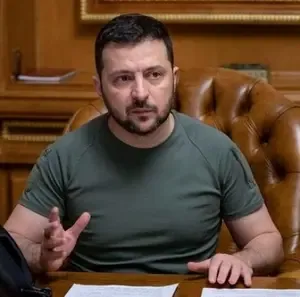
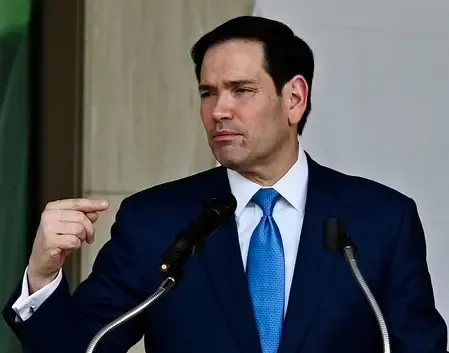
Zelensky spoke with US Secretary of State Marco Rubio on 20 October 2026 , describing it as a ‘substantive conversation’.
The call covered ballistic missile interceptors , Russian attack early warnings , and the restoration of Starlink/Starshield services.
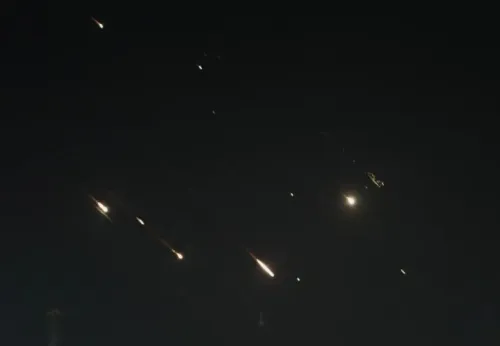
Zelensky disclosed that the US suspended intelligence sharing with Ukraine for three days , leaving forces without advance warnings of Russian ballistic missile strikes.
Ukraine received intelligence from dozens of European and international partners during the gap, but their capabilities could not replace the specialised US systems.
Intelligence sharing has reportedly been restored ; Starlink restrictions were described as not fully lifted as of the NBC interview.
Both sides agreed to speak again soon for an update, per Zelensky.
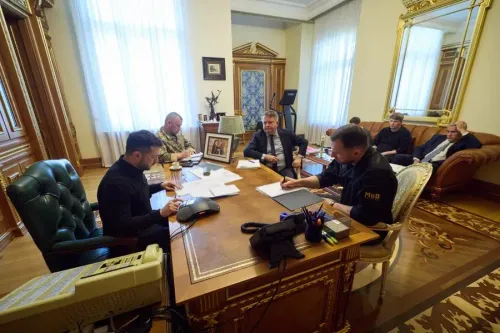
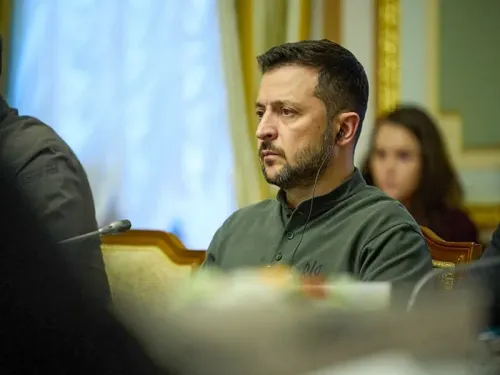
Ukrainian President Volodymyr Zelensky on 20 October 2026 said he held a “substantive conversation” with US Secretary of State Marco Rubio, covering three critical military needs: ballistic missile interceptors, early warnings of Russian ballistic missile strikes, and the restoration of Starlink/Starshield satellite communications used by Ukrainian forces on the frontline.
What Was Discussed
In a post on X, Zelensky outlined the priorities raised with Rubio. “I spoke with Marco Rubio @SecRubio, and it was a substantive conversation – focused on the issues that matter. I am grateful for his readiness to help and his clear position. First, ballistic missile interceptors, which are needed to protect lives. Second, early warning of Russian ballistic missile attacks, which is vital. Third, the situation with Starlink/Starshield, which needs to be restored. Of course, all of this comes against the backdrop of our diplomatic efforts to end this horrific war and the constant killing of people,” he said.
Zelensky added that the two officials agreed to follow up shortly. “We agreed to get in touch again soon for an update. Thank you, Marco, for the constructive discussion! Thank you to everyone in America who supports fair approaches,” he said.
The Intelligence Gap That Preceded the Call
The conversation came after Zelensky disclosed in a separate interview with NBC that the United States had temporarily suspended intelligence sharing with Ukraine for three days, leaving Ukrainian forces without American advance warnings of Russian ballistic missile attacks during that window. Zelensky said the lapse was uniquely consequential because no other partner could replicate Washington’s capabilities in that domain.
“We didn’t see attacks of Russia using ballistic missiles,” he said, describing the period. He acknowledged that Ukraine continued receiving intelligence from European partners and dozens of other countries but stressed their systems could not fully substitute for the specialised American capability. “Only United States has this unique intelligence to say, to tell us, to tell our side when Russia uses ballistic missiles. And we didn’t get it during ballistic attacks during three days,” he said. According to Zelensky, the intelligence-sharing arrangement had since been restored by the time of his call with Rubio.
Starlink Restrictions Still Unresolved
Alongside the intelligence gap, Zelensky flagged that satellite communications restrictions on Starlink and Starshield services used by Ukrainian troops had not been fully lifted, raising questions about the continuity of Washington’s military and technical support for Kyiv. The Starlink situation was explicitly named as the third agenda item in the call with Rubio, signalling that it remains a live operational concern for Ukrainian command.
Diplomatic Backdrop
This comes amid Kyiv’s ongoing diplomatic push to end the war with Russia, with Zelensky framing the military asks as inseparable from broader peace efforts. Notably, the public disclosure of a three-day intelligence blackout — even a temporary one — represents a rare acknowledgment by Kyiv of friction in the US-Ukraine security relationship. The call with Rubio appears designed to signal that channels have been re-engaged and momentum restored. Both sides are expected to speak again soon, according to Zelensky’s account of the discussion.
Point of View
Particularly for ballistic missile trajectories that European systems cannot track with the same fidelity. That dependence was used, intentionally or not, as leverage during the pause. The call with Rubio restores optics, but the underlying question — whether Washington’s support is reliable as a geopolitical instrument — remains unanswered. Kyiv’s public framing of the episode as resolved, rather than alarming, suggests it has chosen reassurance over confrontation with its most critical backer.
NationPress
20 Oct 2026
Frequently Asked Questions
What did Zelensky and Rubio discuss in their 20 October call?
The two discussed three urgent military matters: ballistic missile interceptors to protect Ukrainian civilians, early warning systems for Russian ballistic missile attacks, and the restoration of Starlink/Starshield satellite communications for Ukrainian forces. Zelensky described the conversation as ‘substantive’ and said both sides agreed to speak again soon.
Did the US really pause intelligence sharing with Ukraine?
According to Zelensky’s interview with NBC, the United States temporarily suspended intelligence sharing with Ukraine for three days, during which Ukrainian forces did not receive advance warnings of Russian ballistic missile strikes. Zelensky said the arrangement had since been restored.
Why is US intelligence so critical for Ukraine’s air defence?
Zelensky explained that only the United States possesses the specialised capability to provide advance warnings of Russian ballistic missile launches. While Ukraine receives intelligence from dozens of European and other international partners, those systems cannot fully replicate what Washington offers, making any suspension operationally dangerous.
What is the status of Starlink and Starshield services for Ukraine?
As of Zelensky’s NBC interview, restrictions on Starlink and Starshield satellite communications used by Ukrainian forces had not been fully lifted. Zelensky raised the issue as a third priority item in his call with Rubio, indicating it remains an active concern for Ukrainian military operations.
What happens next following the Zelensky-Rubio call?
Zelensky said both sides agreed to speak again soon for an update, suggesting the conversation is ongoing rather than concluded. The call is seen as a signal that US-Ukraine communication channels have been re-engaged, though the full resolution of Starlink restrictions remains unclear.