Zelenskyy warns of imminent large-scale Russian strike, urges US air defence push
Synopsis
Zelenskyy's CBS interview was less a diplomatic appeal and more a public alarm — warning of an imminent Russian strike involving hundreds of drones and ballistic missiles while laying bare Ukraine's critical air defence shortfall. With production running at just 60-65 interceptors a month and a Patriot licence request sitting unanswered in Washington, Kyiv's civilian protection gap is widening in real time.
Key Takeaways
President Zelenskyy warned on 31 May that a large-scale Russian attack involving drones, cruise missiles, and ballistic missiles was likely within days .
Russia's recent single barrage reportedly included 600 drones and more than 30 ballistic missiles — among the largest of the war.
Zelenskyy called current interceptor production of 60–65 missiles per month wholly insufficient and urged the US to grant Ukraine Patriot missile manufacturing licences.
Kyiv has identified roughly 20,000 forcibly removed Ukrainian children and recovered approximately 2,200 .
Zelenskyy criticised the easing of sanctions on Russian oil, arguing it directly funds Russia's defence industry.
A major US–Ukraine drone technology partnership is under discussion, contingent on approval from President Trump .
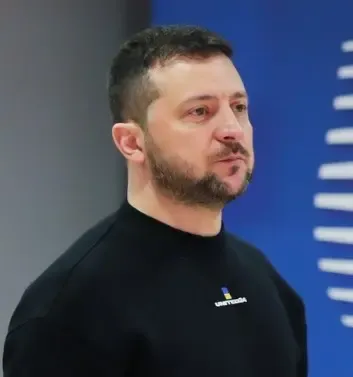
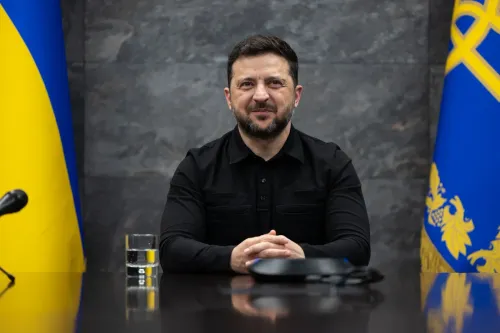
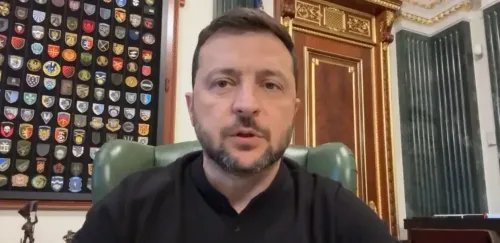
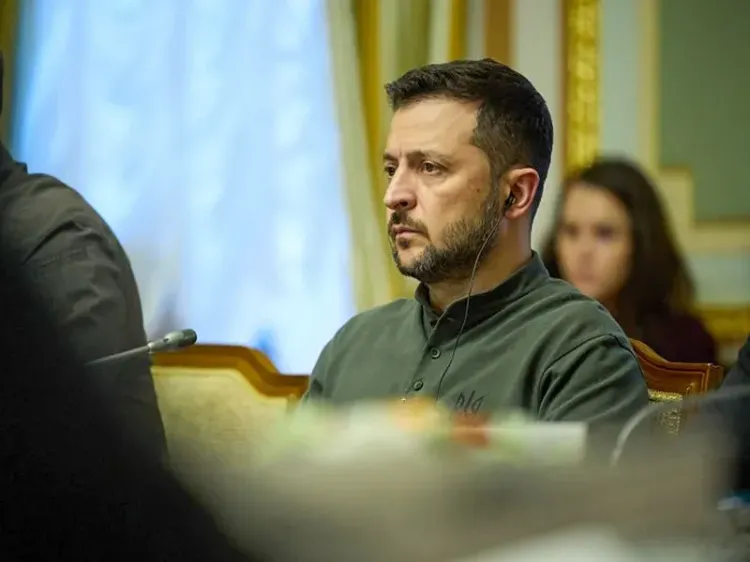
Ukrainian President Volodymyr Zelenskyy has warned that Russia is preparing a fresh large-scale assault using drones, cruise missiles, and ballistic missiles, and has urged Washington to urgently accelerate the supply and domestic production of air defence interceptors that Kyiv says are critical to protecting civilian lives. The warning came in an interview with CBS News' Face the Nation with Margaret Brennan on 31 May.
Imminent Attack Warning
Zelenskyy said Ukrainian intelligence, corroborated by information from Western partners, pointed to a high probability of a major Russian strike within days. 'Today at night or tomorrow at night, high percent, of course, nobody knows 100 per cent but there is a high percent,' he said, adding that Ukrainians would be urged to use bomb shelters and take extra precautions.
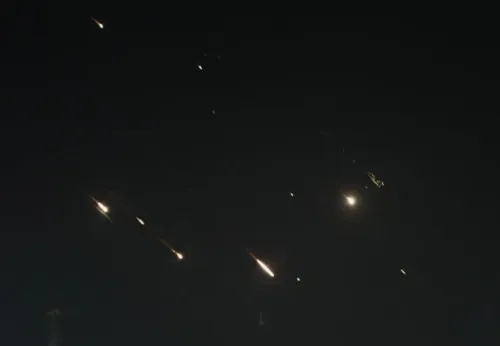
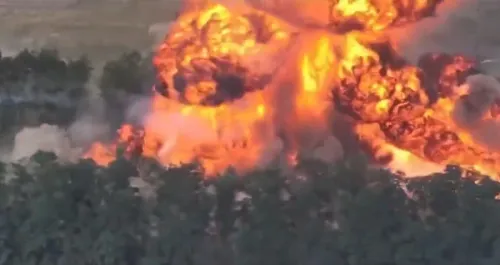
He noted that Russia had been carrying out daily attacks and had recently launched one of the largest barrages of the war — reportedly 600 drones and more than 30 ballistic missiles in a single salvo. Zelenskyy described ballistic missile defence as Ukraine's 'biggest deficit.'
Ukraine's Air Defence Shortfall
Zelenskyy disclosed that he had written to both the White House and the US Congress requesting additional anti-ballistic missile systems and interceptors. He framed the problem not as one of funding but of manufacturing capacity, arguing that current global production levels — which he put at roughly 60 to 65 missiles per month — were wholly inadequate for the scale of the threat.
He renewed his call for Washington to allow Ukraine to produce Patriot missile components under licence. 'I asked previous administration, I am asking today's administration, give Ukraine licenses. We will increase the production of Patriot missiles,' he said. He also indicated that a major drone technology partnership with the United States was under discussion, and that finalising it required President Donald Trump to give his approval.
Russia Testing NATO, Sanctions Debate
Zelenskyy argued that drone incidents involving Romania and other countries bordering Ukraine reflected a deliberate Russian strategy to probe NATO reactions. 'Russia uses this just to attack politically and by weapon pressure on NATO countries to look at the reaction,' he said.
He also criticised recent moves to ease certain sanctions on Russian oil exports, contending that such steps directly benefit Russia's defence industry. 'Lifting sanctions is a help for the soldiers of Russia. It's very helpful for their defence industry,' he said. He called for stronger sanctions and greater economic pressure, arguing these were prerequisites for bringing Moscow to serious negotiations.
Diplomacy and the Children Crisis
On the diplomatic front, Zelenskyy said he remained open to meeting Russian President Vladimir Putin but insisted that meaningful dialogue required sustained pressure first. He suggested that Britain, France, and Germany could play leading roles in future European mediation, and acknowledged Turkiye's prior involvement in prisoner exchanges.
Zelenskyy also renewed allegations that Russia had forcibly removed thousands of Ukrainian children during the conflict. He said Kyiv had identified approximately 20,000 children and had so far managed to secure the return of around 2,200. 'We need more help. We need thousands children to get them back,' he said.
Context: Three Years of Full-Scale War
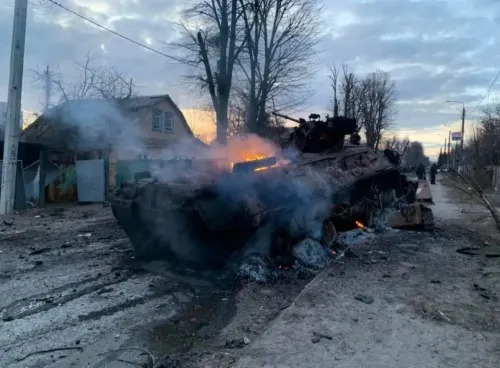
Russia's full-scale invasion of Ukraine began in February 2022 and has since become Europe's largest armed conflict since World War II. The war has resulted in hundreds of thousands of military casualties and widespread destruction across Ukrainian territory, while drawing extensive military and financial support from Western governments for Kyiv. As the conflict enters its fourth year, air defence capacity has emerged as one of the most consequential and contested variables on the battlefield.
Point of View
Which raises uncomfortable questions about why a relatively low-cost diplomatic concession remains unresolved three years into Europe's largest war. Meanwhile, the reported easing of Russian oil sanctions, if confirmed, would represent a significant contradiction in Western policy — tightening military support with one hand while loosening economic pressure with the other. The 20,000 children figure, if verified, is among the war's most serious documented humanitarian allegations and deserves far more sustained international attention than it has received.
NationPress
19 Sept 2026
Frequently Asked Questions
What did Zelenskyy warn about on 31 May 2025?
Zelenskyy warned that Russia was preparing a large-scale attack involving drones, cruise missiles, and ballistic missiles, likely within days. He said Ukrainian intelligence and information from Western partners indicated a high probability of the strike, and urged civilians to use bomb shelters.
Why is Ukraine facing an air defence shortage?
Ukraine's air defence shortfall is primarily a manufacturing capacity problem, according to Zelenskyy. He said global production of interceptors runs at only about 60 to 65 missiles per month, which is far below what is needed to counter Russia's scale of attacks, including barrages of 600 drones and over 30 ballistic missiles.
What has Zelenskyy asked the United States to do?
Zelenskyy has asked Washington to grant Ukraine licences to manufacture Patriot missile components domestically and to accelerate the supply of air defence interceptors. He also said a major drone technology partnership with the US was under discussion and required President Trump's approval to proceed.
What did Zelenskyy say about sanctions on Russia?
Zelenskyy criticised any easing of sanctions on Russian oil exports, arguing such moves directly benefit Russia's defence industry and military. He called for stronger sanctions and greater economic pressure as prerequisites for bringing Moscow to genuine peace negotiations.
What is the status of Ukrainian children reportedly taken by Russia?
Zelenskyy said Kyiv had identified approximately 20,000 children allegedly removed from Ukraine by Russia during the conflict, of whom around 2,200 have been returned. He appealed for greater international assistance to recover the remaining children.