Maharashtra to give 1 lakh auto-rickshaws to drought-hit farmers
Synopsis
Maharashtra will hand 1 lakh auto-rickshaws to drought-hit small farmers over five years. The state pays only a 10% subsidy and banks fund the remaining 90% as loans. The first keys will be handed over on 9 February 2027, Eknath Shinde's birthday.
Key Takeaways
Maharashtra will distribute 1 lakh auto-rickshaws to drought-hit small and marginal farmers from 2027 to 2031 .
Transport Minister Pratap Sarnaik announced the scheme on 26 November 2026 .
The Welfare Board pays a 10% subsidy ; the other 90% is a bank loan.
The first-year target is 20,000 farmers across 310 drought-hit talukas, about 60 per taluka.
Beneficiaries will be picked by a computerised lottery , and the first keys will be handed over on 9 February 2027 .
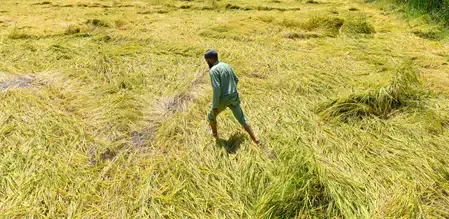
The Maharashtra Government on Thursday, 26 November 2026, announced a self-employment scheme to distribute 1 lakh passenger auto-rickshaws to small and marginal farmers in drought-hit areas over five years, from 2027 to 2031. State Transport Minister Pratap Sarnaik announced the plan in Mumbai. He said it aims to give farming families an alternative income as they struggle with erratic weather, persistent drought, low crop prices and rising production costs.
The initiative is called the 'Anathancha Nath Dushkalgrast Shetkari Rickshaw Sanman Yojana'. According to Sarnaik, the first batch of eligible farmers will receive their rickshaw keys on 9 February 2027, which is the birthday of Deputy Chief Minister and Shiv Sena chief leader Eknath Shinde.
How the Scheme Will Be Funded
The scheme will be implemented under the guidance of Chief Minister Devendra Fadnavis, with the cooperation of Deputy Chief Ministers Eknath Shinde and Sunetra Ajit Pawar. The State Transport Department will run it jointly with the Dharmaveer Anand Dighe Saheb Maharashtra Passenger Transport Driver Welfare Board.
The Welfare Board will pay 10% of each vehicle's cost as a subsidy. The remaining 90% will come as a loan from nationalised banks, scheduled banks or other financial institutions.
Once a bank sanctions the loan, the Board will release its subsidy. The full purchase amount will then be paid directly to the authorised vehicle dealer, so the money does not pass through the beneficiary.
Targets and Beneficiary Selection
In the first year, the government plans to give rickshaws to 20,000 eligible farmers across 310 officially declared drought-hit talukas. Talukas declared drought-hit in future will also be covered. Sarnaik said about 60 beneficiaries will be selected from each taluka on average.
If a taluka does not have enough eligible applicants, its unused quota will go to eligible farmers in other talukas of the same district. The Welfare Board will invite applications through public advertisements. After verifying documents, it will prepare a final list of eligible candidates, and beneficiaries will be chosen by a computerised lottery.
Who Can Apply
Applicants must meet these conditions:
- They must be a small or marginal landholding farmer, or an eligible member of such a farming family.
- They must live in a drought-affected area and hold valid land ownership documents.
- They must not have received benefits under a similar government scheme before.
- They must hold a valid driving licence or be eligible to obtain one.
- They must meet the lending bank's loan approval terms.
Why It Matters
Sarnaik said the scheme limits the Welfare Board's direct cost to a 10% subsidy, so limited funds can reach more people. He said the goal is to move from temporary financial aid towards lasting self-employment and financial independence for thousands of rural and semi-urban farming households.
The scheme comes as farm distress continues across Maharashtra's drought-prone regions, where crop failure and falling incomes have strained rural households. Instead of a cash payout, it is designed to give farmers a second source of income outside agriculture, backed by an asset and a bank loan.
The Welfare Board's call for applications and the bank loan approvals will decide whether the first batch of keys is ready by the February 2027 deadline.
Point of View
But it rests on debt: distressed farmers will carry 90% of the vehicle cost as bank loans. That is a big risk for families already hit by drought and low crop prices, and it raises a basic question about whether there is enough passenger demand in semi-urban areas to absorb thousands of new rickshaws and still keep loan repayments manageable. The numbers also do not quite add up: 60 beneficiaries in each of 310 talukas comes to 18,600, short of the 20,000 first-year target. Holding the first key handover on a Deputy Chief Minister's birthday adds political branding to a welfare scheme whose real test will be how many borrowers repay their loans, not how many keys are handed out.
NationPress
27 Nov 2026
Frequently Asked Questions
What is the Anathancha Nath Dushkalgrast Shetkari Rickshaw Sanman Yojana?
It is a Maharashtra Government self-employment scheme to distribute 1 lakh passenger auto-rickshaws to small and marginal farmers in drought-hit areas between 2027 and 2031. Transport Minister Pratap Sarnaik announced it on 26 November 2026.
How much subsidy will farmers get under the Maharashtra rickshaw scheme?
The Welfare Board will pay 10% of the vehicle cost as a subsidy. The remaining 90% will be given as a loan by nationalised banks, scheduled banks or other financial institutions.
Who is eligible for the Maharashtra rickshaw scheme for farmers?
Applicants must be small or marginal landholding farmers, or eligible members of such families, living in drought-affected areas and holding valid land documents. They must not have used a similar government scheme before, must hold or be eligible for a driving licence, and must meet the bank's loan terms.
When will the first auto-rickshaws be distributed?
The first batch of keys will be handed over on 9 February 2027, Deputy Chief Minister Eknath Shinde's birthday. The first-year target is 20,000 farmers across 310 drought-hit talukas.
How will beneficiaries be selected?
The Welfare Board will invite applications through public advertisements and verify documents. Beneficiaries will then be chosen by a computerised lottery, with about 60 selected per taluka on average.