CM Majhi: 10 Blackbucks Rescued After Cyclone Flood in Odisha
Synopsis
After cyclone 'Arnab' triggered flooding in Ganjam, Odisha's Berhampur Forest Division rescued 10 blackbucks from Khallikot Range, provided veterinary care, and released them into Chikiti Beat forests — backed by 24-hour control rooms and four emergency response teams.
Key Takeaways
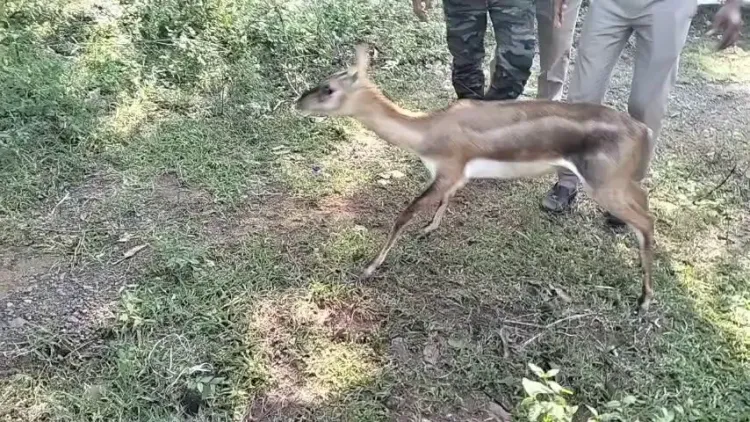
10 blackbucks were rescued from Balia village, Khallikot Range in Ganjam district following post-cyclone flooding.
After veterinary treatment, the animals were released into forests near Bania village, Chikiti Beat .
24-hour control rooms were activated across the Berhampur Forest Division and all ranges during the crisis.
Four ranges deployed dedicated Emergency Response Teams coordinating with SDMs, OFDC, and other departments.
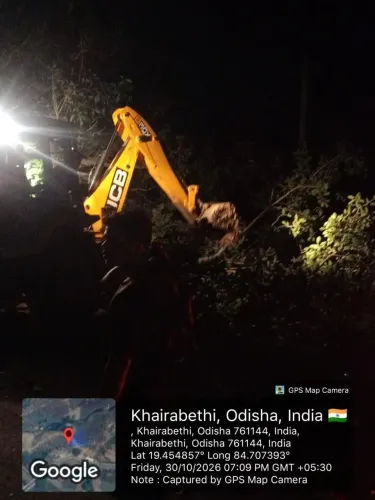
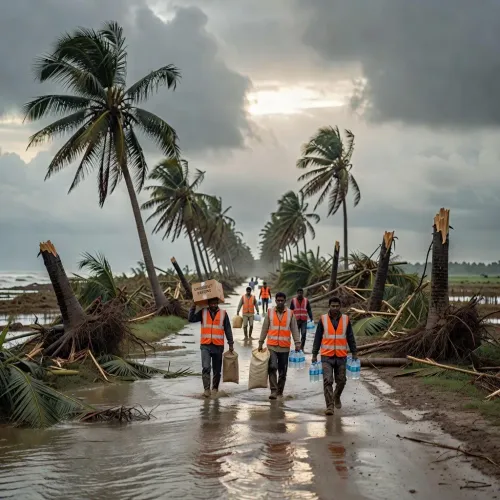
Teams cleared fallen trees and restored road access alongside wildlife rescue operations.
The operation reflects wildlife rescue protocols Odisha began institutionalising after Cyclone Fani in 2019 .
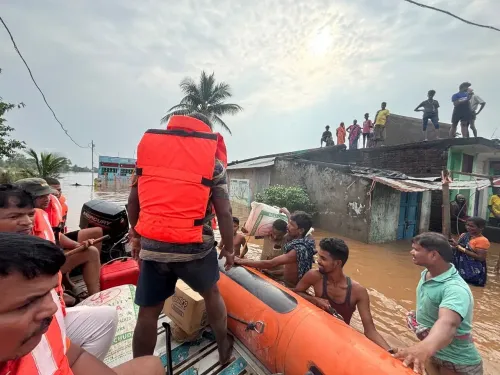
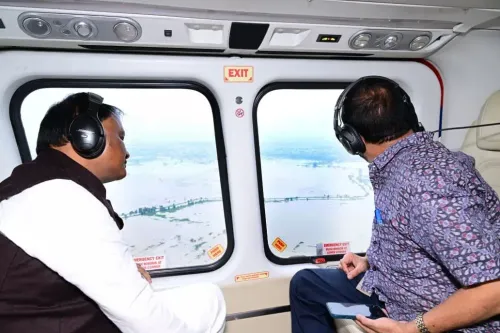
Ten blackbucks, stranded and at risk after post-cyclone flooding inundated their habitat, were pulled to safety from Balia village in Khallikot Range — a quiet but telling measure of how Odisha's forest machinery swings into action when disaster strikes. Odisha Chief Minister Mohan Charan Majhi shared details of the operation on Sunday, 1 November 2026, highlighting a coordinated wildlife rescue mission mounted in the aftermath of Cyclone 'Arnab'.
From Balia village to the forests of Chikiti Beat
The ten blackbucks were retrieved from Balia village, Khallikot Range, under the Berhampur Forest Division in Ganjam district. After veterinary care, the animals were released into forest land near Bania village, Chikiti Beat — returning them to a more secure, natural environment away from the flood-hit zone.
Blackbucks are a Schedule I species under the Wildlife (Protection) Act, 1972, the highest protection category under Indian law. Ganjam district has been a focus of blackbuck conservation efforts since the early 2000s, making a successful post-disaster rescue here more than routine — it is a test of those years of groundwork.
24-hour control rooms and four emergency response teams
The operation was far from improvised. Chief Minister Majhi noted that 24-hour control rooms were established across the Berhampur Forest Division and all its ranges. Four ranges had dedicated Emergency Response Teams deployed specifically for the crisis period.
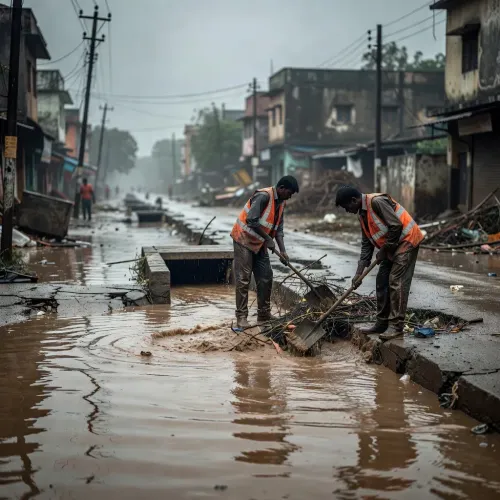
These teams worked in coordination with Sub-Divisional Magistrates (SDMs), the Odisha Forest Development Corporation (OFDC), and other government departments. Together, they cleared fallen trees, restored road access, and maintained continuous surveillance over wildlife in the affected zones — a multi-agency grid rarely seen outside a major cyclone response.
Odisha's template for cyclone-era wildlife protection
This rescue reflects a protocol that Odisha began formalising after Cyclone Fani in 2019 — integrating wildlife rescue into the state's broader disaster response architecture. Coastal Odisha's exposure to recurrent cyclones pushed forest divisions to build standing capacity: pre-positioned teams, inter-departmental coordination drills, and rapid veterinary support.
The Berhampur Forest Division, covering biodiversity-rich southern ranges, has been among the most active in applying this framework. Each cyclone adds to an institutional memory that makes the next response faster and more effective. Ten blackbucks walking free into the Chikiti forests is the human — and animal — face of that accumulation.
Eyes now turn to post-cyclone wildlife monitoring reports from Ganjam and whether this emergency mobilisation translates into longer-term infrastructure investment in Odisha's forest emergency response system.
Point of View
Not a lucky outcome. Odisha has quietly built one of India's more sophisticated cyclone-era wildlife protocols, and amplifying it publicly reinforces the administration's broader pitch of institutional competence. The integration of SDMs, OFDC, and forest divisions into a single operational grid is a structural bet that coordinated bureaucracy outperforms ad hoc heroism. Whether this model receives dedicated budget lines — rather than being absorbed into general disaster funds — will be the real test of Odisha's commitment to making wildlife protection storm-proof.
NationPress
1 Nov 2026
Frequently Asked Questions
Where were the blackbucks rescued in Odisha after the cyclone?
The ten blackbucks were rescued from Balia village in Khallikot Range, Ganjam district, which falls under the Berhampur Forest Division.
What happened to the rescued blackbucks after they were saved?
After receiving veterinary care, the blackbucks were released into forest land near Bania village in Chikiti Beat, returning them to a safer natural habitat.
What is a blackbuck and why is it protected in Odisha?
The blackbuck is a Schedule I species under the Wildlife (Protection) Act, 1972, the highest legal protection category in India. Ganjam district has been a conservation focus for the species since the early 2000s.
How did Odisha's forest department respond to the cyclone wildlife emergency?
The Berhampur Forest Division set up 24-hour control rooms across all ranges and deployed dedicated Emergency Response Teams in four ranges, coordinating with SDMs, OFDC, and other state agencies.
What is the OFDC and what role did it play in the blackbuck rescue?
OFDC stands for the Odisha Forest Development Corporation, a state public sector undertaking. It coordinated with forest range teams and SDMs to clear fallen trees, restore roads, and support the wildlife rescue mission.