Thiruvananthapuram waterways: 1,000 tonnes of plastic removed in 4 years
Synopsis
Thiruvananthapuram has quietly pulled off one of India's most credible urban plastic interventions — 1,000 tonnes removed from city rivers in four years using 15 TrashBoom barriers, CSR funding, and German technology. With UN Ocean Decade recognition and replication underway in other Indian cities, the Kerala capital's model is moving from local milestone to national blueprint.
Key Takeaways
More than 1,000 tonnes of plastic waste — roughly 50 million plastic bottles — have been recovered from Thiruvananthapuram's rivers and canals over four years .
A network of 15 floating TrashBoom barriers intercepts plastic daily across key waterways in the city.
The project, launched in 2022 , uses technology by Germany-based Plastic Fischer and is funded through CSR contributions .
Studies show nearly 79 per cent of waterway debris in Thiruvananthapuram is plastic; the Karamana and Killi rivers have among the highest microplastic concentrations in the region.
The programme has received recognition under the UN Ocean Decade and is being replicated in other Indian cities.
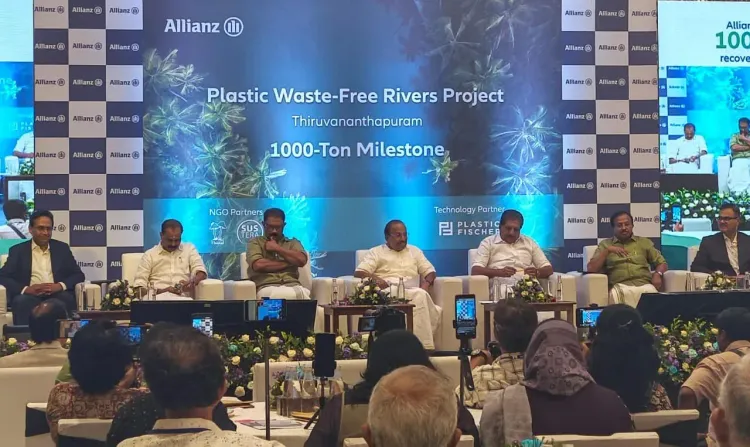
More than 1,000 tonnes of plastic waste have been recovered from the rivers and canals of Thiruvananthapuram over the past four years, intercepting the debris before it could reach the Arabian Sea. The milestone — equivalent to removing roughly 50 million plastic bottles from the city's waterways — marks a significant turning point in urban plastic management in Kerala.
How the System Works
At the core of the programme is a network of 15 floating TrashBoom barriers deployed across key waterway crossings in the state capital. The barriers trap floating plastic daily, after which the collected waste is transported to material recovery facilities for segregation. Recyclable plastic is repurposed locally, while non-recyclable material is sent for co-processing in cement plants — ensuring minimal landfill dependency.
The initiative, launched in 2022, was implemented using technology developed by Germany-based Plastic Fischer and has been funded through Corporate Social Responsibility (CSR) contributions from industries including technology companies and Global Capability Centres (GCCs) operating in Kerala.
What the Government Said
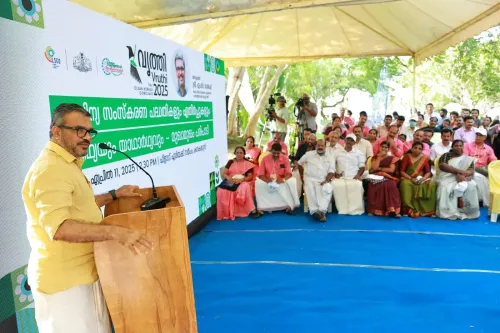
Industries, IT, AI and Startups Minister P.K. Kunhalikutty said the milestone reflected Kerala's capacity to align industrial growth with environmental responsibility. 'Global Capability Centres in Kerala are not merely engines of economic growth; they are responsible corporate citizens who invest in the communities and ecosystems that sustain them. This milestone reinforces a powerful message to global investors that Kerala's industrial growth is inseparable from its commitment to environmental excellence,' he said.
Water Resources Minister Mons Joseph described the project as a replicable model, distinguishing it from one-time clean-up drives. 'I urge corporates, local bodies and citizens alike to draw inspiration from this model,' he said. Local Self Government Minister K.M. Shaji called on panchayats, municipalities, and the Thiruvananthapuram Corporation to deepen collaboration with similar initiatives to strengthen grassroots waste management.
Scale of the Pollution Problem
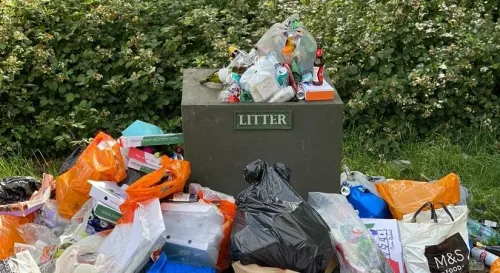
The project's significance is underscored by the severity of plastic contamination in the city's waterways. According to studies, nearly 79 per cent of debris along Thiruvananthapuram's waterways is plastic. The Karamana and Killi rivers — both of which empty into the sea — record some of the highest microplastic concentrations in the region. Beyond pollution, clogged waterways have historically worsened urban flooding during Kerala's monsoon season, making clearance a dual environmental and civic priority.
Recognition and Replication
The programme has earned recognition under the UN Ocean Decade framework. The model pioneered in Thiruvananthapuram is now being replicated across several other Indian cities, underlining its potential as a scalable, technology-backed solution to urban plastic pollution. As Indian cities increasingly grapple with waterway contamination, Thiruvananthapuram's four-year track record offers a data-backed template for sustained intervention rather than episodic clean-up campaigns.
Point of View
Pointing to an upstream source problem that barrier technology alone cannot solve. The TrashBoom model is a credible downstream fix, but without parallel action on single-use plastic reduction and municipal waste segregation, the barriers will keep filling indefinitely. The real test of scalability is whether the CSR funding model — which has worked in a GCC-dense city like Thiruvananthapuram — can be replicated in smaller, less corporate-funded urban centres where the plastic load is equally severe but the funding pipeline does not exist.
NationPress
7 Oct 2026
Frequently Asked Questions
How much plastic has been removed from Thiruvananthapuram's waterways?
More than 1,000 tonnes of plastic waste have been recovered from Thiruvananthapuram's rivers and canals over four years since the programme launched in 2022. That is roughly equivalent to removing 50 million plastic bottles from the city's waterways before they could reach the Arabian Sea.
How does the TrashBoom barrier system work?
Fifteen floating TrashBoom barriers are installed across key waterway crossings in Thiruvananthapuram to trap floating plastic daily. The collected waste is then transported to material recovery facilities, where recyclables are repurposed locally and non-recyclable material is co-processed in cement plants.
Who funded and implemented the Thiruvananthapuram plastic cleanup project?
The project has been funded through Corporate Social Responsibility (CSR) initiatives, with technology provided by Germany-based Plastic Fischer. Implementation involved tech companies and other organisations operating in Kerala, including Global Capability Centres.
Why are the Karamana and Killi rivers significant to this project?
The Karamana and Killi rivers, which flow through Thiruvananthapuram and empty into the Arabian Sea, record some of the highest microplastic concentrations in the region. Studies indicate that nearly 79 per cent of debris along the city's waterways is plastic, making these rivers a critical intervention point.
Is the Thiruvananthapuram model being adopted elsewhere?
Yes. The programme has earned recognition under the UN Ocean Decade framework and is now being replicated in several other Indian cities. Officials and ministers have called it a model for sustained, systematic intervention as opposed to one-time clean-up drives.