11 arrested in Kolkata after NEET protest turns violent, 2 held fleeing state

Synopsis
Kolkata police made 11 arrests within 24 hours of NEET protest violence at Esplanade — and none of those held are students. West Bengal invoked its Anti-Goon Act for the first time, while the Chief Minister named five individuals as 'goons' and said 70 non-students have been identified from the march. The crackdown raises pointed questions about who was really driving Friday's unrest.
Key Takeaways
11 people were arrested by Kolkata police on 25 July over violence during a NEET protest procession at Esplanade the previous day.
None of the arrested are students; 2 accused were held while allegedly attempting to flee to another state, traced to Andal, West Burdwan .
Chief Minister Suvendu Adhikari identified 70 non-students as participants in the procession and named 5 individuals as 'goons'.
Seven FIRs have been filed — six at Hare Street police station, one at Entally — with the Anti-Goon Act invoked for the first time.
Six journalists were reportedly seriously injured during the unrest at Dorina Crossing .
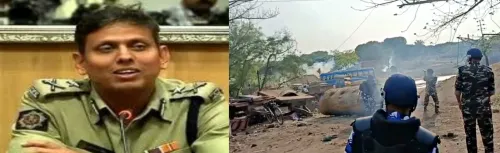
Kolkata police on Saturday, 25 July arrested 11 people in connection with violence that erupted during a student and youth procession in Esplanade, Kolkata the previous day, as the West Bengal government moved swiftly to invoke a newly enacted anti-goon law for the first time. Authorities confirmed that none of the arrested individuals were students, and two of the accused were apprehended while allegedly attempting to flee to another state.
Key Arrests and How They Were Traced
Two of the accused — Mohammad Afroz, a resident of the Rajabagan area of Metiabruz in Kolkata, and Mohammad Azad, a resident of Garden Reach — were tracked to Andal in West Burdwan district through video footage analysis. Investigators raided Andal after receiving a tip-off on Afroz's whereabouts, arresting both men there.
Among the others arrested is Arshad Ali (50), a resident of the Amherst Street police station area. Four individuals were held from the Jorasanko police station area: Irfan Khurshid, Mohammad Alamgir, Imran Ahmed, and Khalid Reza. Additionally, Mohammad Moinuddin from Tiljala, Zamir Ahmed from Beniapukur, and Mohsin Khan and Deepak Bhowmik from Karaya were also taken into custody.
What Triggered the Unrest
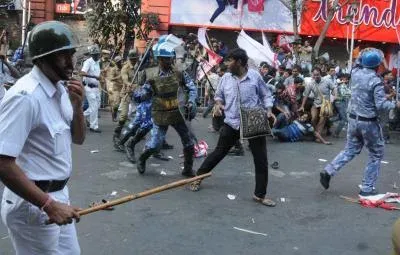
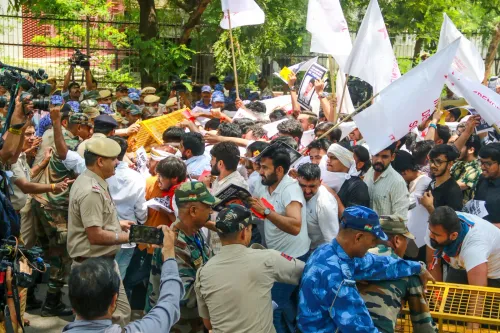
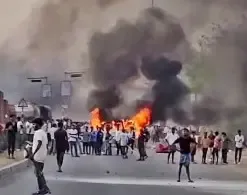
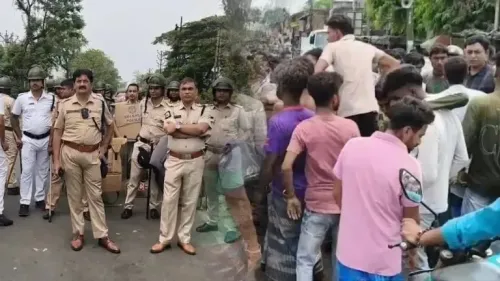
A procession was organised at Esplanade on Friday, 24 July, ostensibly against corruption in education and alleged leaks in the NEET examination. It is alleged that as the march reached Dorina Crossing, shoes and bottles were thrown at police, and journalists were targeted. According to the Chief Minister, the police had been ordered to exercise restraint and did not retaliate. Six journalists were reportedly seriously injured and subsequently hospitalised.
A total of seven cases have been registered in connection with Friday's incident — six at Hare Street police station and one at Entally. The Anti-Goon Act, a law recently passed by the state assembly, has been applied to these cases — marking its first invocation since enactment.
What the Chief Minister Said
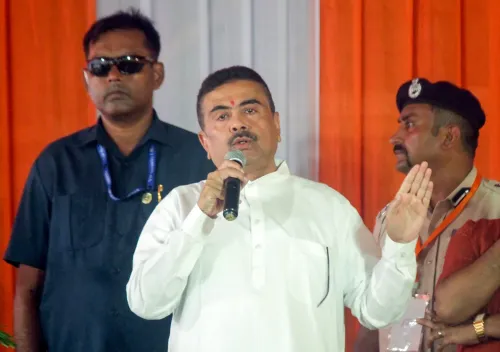
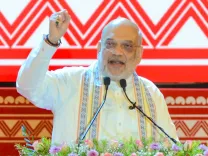
Chief Minister Suvendu Adhikari had warned of strict action on Friday night, and followed up with a statement in the State Assembly on Saturday morning. He said, 'Everyone saw that the police were restrained. That was the order. They did not fall into any trap. There was a procession. After reaching the Dorina Crossing, shoes and bottles started being thrown from there. Journalists were targeted. They wanted the police to lathicharge, to play a drama. But the police did not give that opportunity. Six journalists were seriously injured. They have been treated at the hospital.'
Adhikari also stated that 70 people who participated in the procession have been identified as non-students. He claimed that none of the 70 are affiliated with what he termed the 'Cockroach Janta Party' (CJP), and that they have no connection with the NEET movement. He named Mohammad Afroz among five individuals he described as 'goons' responsible for the unrest, calling him a 'notorious miscreant'.
Broader Context: NEET Protests Across India
The Kolkata protest was part of a wider wave of demonstrations across India over alleged irregularities in the NEET-UG 2024 examination, including paper leak allegations that have drawn national attention. The West Bengal government's decision to invoke the Anti-Goon Act signals an intent to distinguish between legitimate student protest and alleged infiltration by non-student elements — a distinction that critics and opposition groups may contest as the investigation unfolds.
With 70 more individuals identified but not yet arrested, further detentions are likely in the coming days as police continue to examine video evidence from Friday's procession.
Point of View
Chief Minister Adhikari is framing the narrative: this was not a student movement but an orchestrated provocation. That framing may be accurate, but it also conveniently sidesteps the legitimate grievances that drew genuine NEET protesters to Esplanade in the first place. The targeting of journalists — six of whom were seriously injured — is a serious allegation that deserves independent scrutiny, separate from the question of who threw the first bottle. As more arrests follow, the credibility of the investigation will depend on whether the evidence presented is forensic or political.
NationPress
26 Jul 2026
Frequently Asked Questions
Why were 11 people arrested in Kolkata on 25 July 2024?
The 11 individuals were arrested in connection with violence that broke out during a NEET protest procession at Esplanade, Kolkata on 24 July. Police allege that participants threw shoes and bottles at officers and attacked journalists; none of those arrested are students.
What is the Anti-Goon Act and why is it significant here?
The Anti-Goon Act is a law recently passed by the West Bengal state assembly. Its application to the NEET protest violence cases marks the first time the legislation has been invoked since its enactment, signalling the state government's intent to treat the accused as organised troublemakers rather than protesters.
Who is Mohammad Afroz and why was he named by the Chief Minister?
Mohammad Afroz is a resident of the Rajabagan area of Metiabruz in Kolkata. Chief Minister Suvendu Adhikari named him as one of five 'goons' responsible for Friday's unrest, calling him a 'notorious miscreant'. He was identified through video footage and arrested from Andal in West Burdwan district.
How many cases have been filed over the Kolkata NEET protest violence?
A total of seven FIRs have been registered — six at Hare Street police station and one at Entally police station in Kolkata. The Anti-Goon Act has been added to the charges against the accused.
What did Chief Minister Suvendu Adhikari say about the NEET protest?
Adhikari stated in the State Assembly on Saturday morning that 70 identified participants in the procession are not students and have no connection to the NEET movement. He said police exercised restraint on orders, and that six journalists were seriously injured during the violence at Dorina Crossing.