CM Bhajan Lal Launches Bharat Taxi Scheme in Jaipur
Synopsis
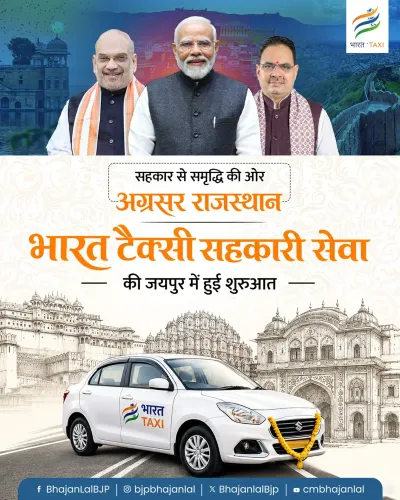
Rajasthan Chief Minister Bhajan Lal Sharma launched the Bharat Taxi scheme on 25 July 2026 in Jaipur, enabling taxi operators to become co-owners through a cooperative model aligned with the central government's 'Sahkar se Samriddhi' policy framework.
Key Takeaways
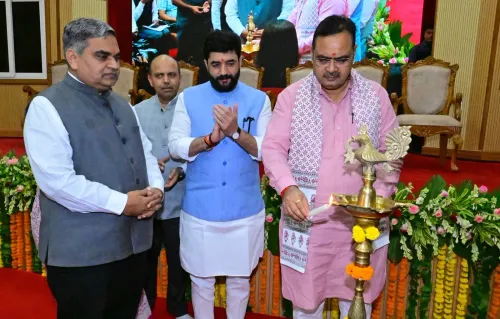
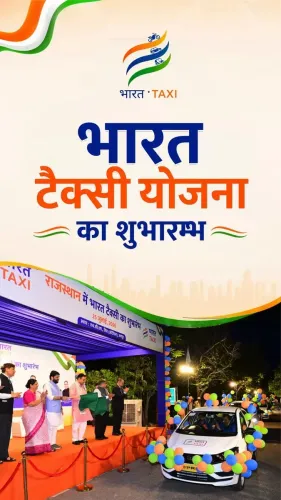
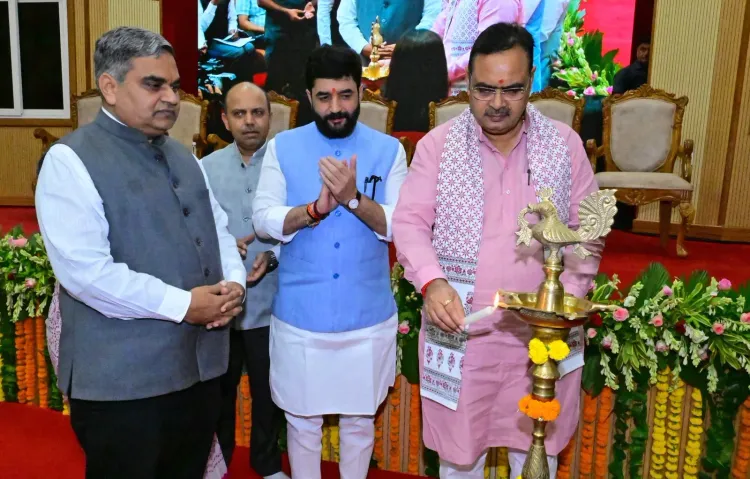
Rajasthan CM Bhajan Lal Sharma launched the Bharat Taxi scheme on 25 July 2026 at the Harish Chandra Mathur Rajasthan State Institute of Public Administration, Jaipur .
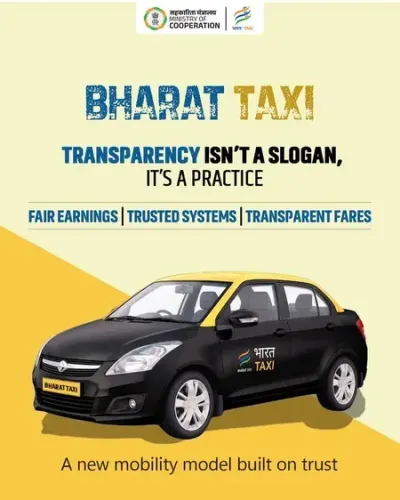
The scheme gives taxi operators — called sarathis — co-ownership stakes rather than employee status, distinguishing it from conventional gig or contractual arrangements.
The initiative is anchored in the 'Sahkar se Samriddhi' (prosperity through cooperation) framework championed by the central government since the Ministry of Cooperation was formed in July 2021 .
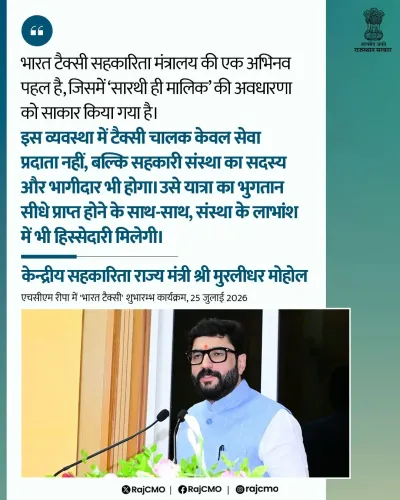
Union Minister of State for Cooperation Murlidhar Mohol and Rajasthan's State Cooperation Minister attended the launch, signalling central government backing.
The scheme targets Rajasthan's youth as its primary beneficiaries, aiming to create new avenues for self-reliance and self-employment.
Specific funding details, vehicle procurement norms, and loan linkages under the scheme have not yet been publicly confirmed.
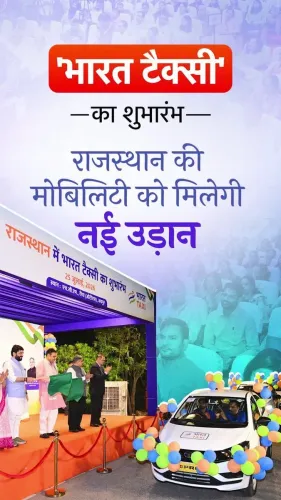
Rajasthan Chief Minister Bhajan Lal Sharma on Saturday, 25 July 2026 launched the Bharat Taxi scheme at the Harish Chandra Mathur Rajasthan State Institute of Public Administration in Jaipur, positioning the initiative as a cooperative-ownership model to generate self-employment among the state's youth.
What Was Launched
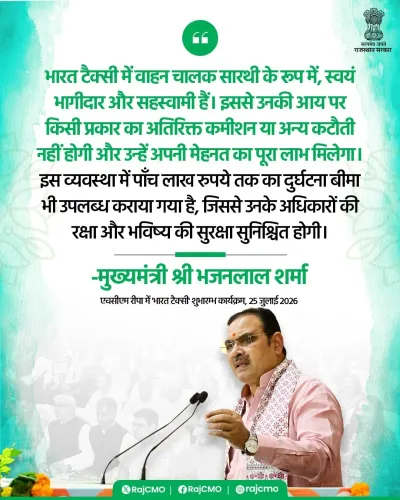
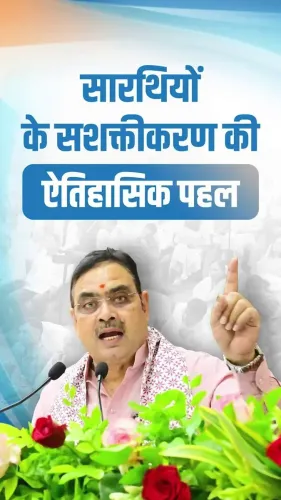
The scheme introduces a cooperative framework under which taxi operators — referred to as sarathi (drivers/partners) — will function not as employees but as co-owners of the enterprise. Sharma said in his post: 'is yojana se jude sarathi sirf karmchari nahin balki iske malik honge' ('the sarathis associated with this scheme will not merely be employees but will be its owners'). The launch was attended by Union Minister of State for Cooperation Murlidhar Mohol and Rajasthan's State Cooperation Minister, along with other elected representatives and dignitaries.
Context
The Bharat Taxi scheme is framed around the slogan 'Sahkar se Samriddhi' ('prosperity through cooperation'), a phrase that has anchored the central government's cooperative policy since the Ministry of Cooperation was established in July 2021. That ministry, headed by Union Home and Cooperation Minister Amit Shah, was created to provide focused policy support for modernising cooperatives across sectors ranging from credit and marketing to services. The Rajasthan launch signals an extension of the cooperative model into urban mobility and transport services.
Sharma credited Prime Minister Narendra Modi's 'visionary leadership' and Amit Shah's guidance for enabling the initiative, describing it as a step that would take India's cooperative sector to 'new heights.'
Policy Backdrop
India's cooperative movement has historically been concentrated in agriculture, dairy, and rural credit. The post-2021 policy push has sought to broaden cooperatives into logistics, services, and now mobility, converting what are typically gig or contractual arrangements into structured ownership stakes for workers. The Bharat Taxi scheme follows this template by giving drivers a proprietary stake rather than a wage relationship, which proponents argue improves income stability and accountability.
The Harish Chandra Mathur Rajasthan State Institute of Public Administration, a state-level training and policy institute, served as the venue — a setting commonly used by the Rajasthan government for flagship scheme launches tied to public administration and welfare.
Stakeholders and Impact
The primary beneficiaries identified are Rajasthan's youth seeking self-employment and existing taxi operators who may transition into the cooperative structure. By framing drivers as owners, the scheme aims to address income precarity common in platform-based or contractor-driven transport work. Murlidhar Mohol's presence at the launch signals central government endorsement and possible policy or financial linkages at the national level, though specific funding details and operational guidelines have not been publicly confirmed.
What's Next
Attention will now turn to the rollout timeline, vehicle procurement norms, and any loan or subsidy linkages that underpin the scheme's cooperative ownership model. Whether the Rajasthan Assembly takes up complementary budgetary or legislative measures to support Bharat Taxi will be a key indicator of how deeply the initiative is institutionalised beyond the launch event. The scheme's success could also serve as a template for other BJP-governed states seeking to extend the 'Sahkar se Samriddhi' framework into the service economy.
Point of View
Youth-facing welfare initiative ahead of future electoral cycles. By framing drivers as owners rather than gig workers, the scheme attempts to address a political vulnerability — precarious urban employment — using the ideological vocabulary of cooperative self-reliance rather than direct subsidy. The presence of a central minister at a state-level launch reinforces the Centre-state coordination that the Ministry of Cooperation has sought to project since 2021. Whether the scheme delivers durable income gains will depend entirely on the operational and financial architecture that follows the launch, which remains to be detailed.
NationPress
24 Oct 2026
Frequently Asked Questions
What is the Bharat Taxi scheme in Rajasthan?
The Bharat Taxi scheme is a Rajasthan government initiative launched on 25 July 2026 that enables taxi operators to become co-owners of a cooperative enterprise rather than working as employees or gig contractors. It aims to generate self-employment among the state's youth.
Who launched the Bharat Taxi scheme?
Rajasthan Chief Minister Bhajan Lal Sharma launched the scheme at the Harish Chandra Mathur Rajasthan State Institute of Public Administration in Jaipur on 25 July 2026 .
What does 'Sahkar se Samriddhi' mean?
Sahkar se Samriddhi translates to 'prosperity through cooperation.' It is the central government's guiding slogan for expanding India's cooperative sector across agriculture, credit, and now services like transport, under the framework of the Ministry of Cooperation established in July 2021 .
Who are the sarathis in the Bharat Taxi scheme?
Sarathis refers to the taxi drivers and operators who participate in the Bharat Taxi scheme. Under the cooperative model, they are designated as co-owners of the enterprise, not merely employees.
What is the role of Amit Shah in the Bharat Taxi scheme?
Union Home and Cooperation Minister Amit Shah heads the Ministry of Cooperation , which provides the national policy framework within which state-level cooperative initiatives like Bharat Taxi are developed. CM Sharma credited Shah's guidance as instrumental in enabling the scheme.