Fazilka women dedicate 1,100 rakhis to armed forces at Asafwala War Memorial
Synopsis
At the Asafwala War Memorial near the Pakistan border, 1,100 rakhis tied together a civilian gesture and a military tribute. Punjab Governor Gulab Chand Kataria led the ceremony, framing the Women Welfare Society's initiative as a reminder that in border districts like Fazilka, Raksha Bandhan is as much about soldiers on duty as brothers at home.
Key Takeaways
1,100 special rakhis prepared by the Women Welfare Society were dedicated to the armed forces on Sunday.
The state-level programme ‘ Rakhi Sarhad Ke Naam — Samman of National Defence, Pride of Sisters ’ was held at the Asafwala War Memorial near Fazilka , Punjab.
Punjab Governor Gulab Chand Kataria attended as chief guest, joined by Lieutenant General Shamsher Singh Virk and senior Army officers.
Organisers thanked the KGF team , Asafwala War Memorial Committee and the civil administration for their cooperation.
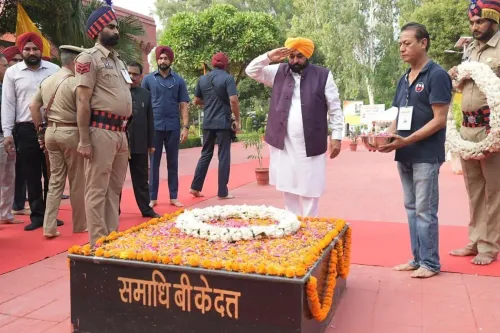
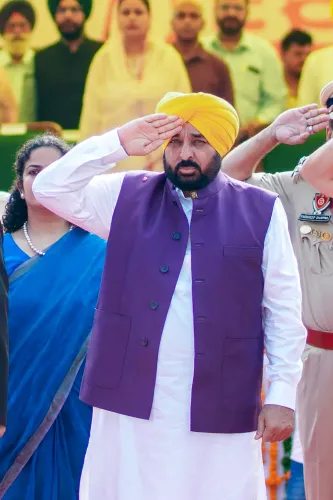
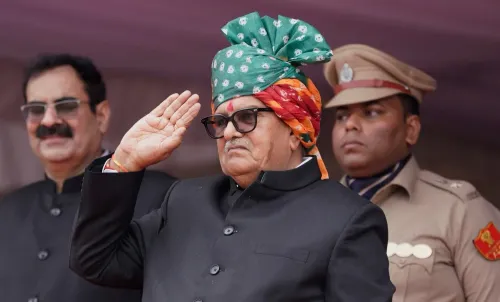
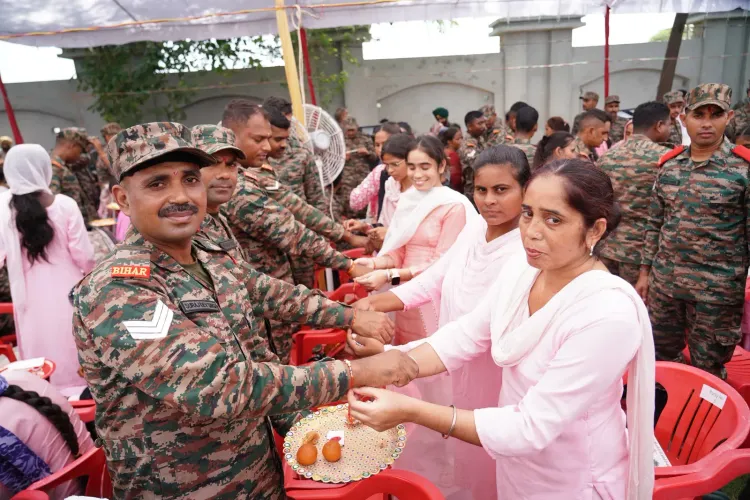
In a moving tribute to soldiers guarding the country's frontiers, 1,100 special rakhis prepared by the Women Welfare Society were dedicated to the armed forces on Sunday at the state-level programme ‘Rakhi Sarhad Ke Naam — Samman of National Defence, Pride of Sisters’, held at the historic Asafwala War Memorial in Punjab's Fazilka district. Punjab Governor Gulab Chand Kataria attended the event as chief guest, joined by senior Army officers including Lieutenant General Shamsher Singh Virk.
A Rakhi ceremony at the border
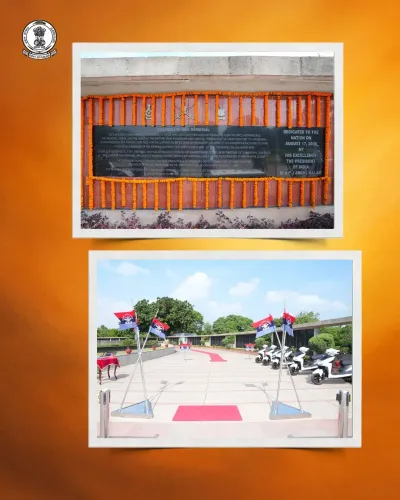
The programme unfolded a few kilometres from the international border, at a memorial that commemorates soldiers who fell defending Fazilka in past conflicts. The setting lent the ceremony added weight, framing the rakhis not just as a festive gesture but as a symbolic bond between civilians and those on frontline duty.
What the Governor said
Appreciating the rakhis crafted by the women members, Governor Kataria said society's respect and gratitude towards soldiers guarding the nation's borders “must always remain strong”. He praised the initiative for keeping the civilian-soldier bond visible, especially in a border district that has repeatedly borne the brunt of past hostilities.
Honouring service in harsh conditions
Speakers highlighted the conditions under which troops serve — from sub-zero postings in the high Himalayas to scorching desert sectors along the western border. Organisers said the dedication of 1,100 rakhis was meant as a collective expression of sisterhood, gratitude and remembrance for soldiers, including those who made the supreme sacrifice.
Connecting a new generation
The event also carried an outreach objective: familiarising younger participants with the sacrifices, discipline and dedication associated with the armed forces. Participation from women and citizens across sections was pitched as a message that the community stands with every soldier on duty.
Organisers and cooperation
The Women Welfare Society thanked the KGF team, the Asafwala War Memorial Committee and the civil administration for supporting the programme. Holding the ceremony at Asafwala, organisers said, reinforced themes of remembrance and national pride that the memorial has long symbolised.
With Raksha Bandhan increasingly being observed at border posts and memorials across India, the Fazilka initiative adds to a growing civilian tradition of routing the festival's symbolism towards the armed forces.
Point of View
And Asafwala itself is a memorial to soldiers who died defending it. A Governor-led ceremony here is less symbolism and more continuity — a reminder that in Punjab's border belt, the civilian-military bond isn't seasonal. The real test for such initiatives is whether they translate into sustained welfare engagement for veterans and martyrs' families, not just annual visuals.
NationPress
8 Oct 2026
Frequently Asked Questions
What is the 'Rakhi Sarhad Ke Naam' programme in Fazilka?
It is a state-level programme held on Sunday at the Asafwala War Memorial in Punjab's Fazilka district, where 1,100 special rakhis prepared by the local Women Welfare Society were dedicated to the armed forces. The full title of the event is ‘Rakhi Sarhad Ke Naam — Samman of National Defence, Pride of Sisters’.
Who attended the Fazilka rakhi ceremony as chief guest?
Punjab Governor Gulab Chand Kataria attended the programme as chief guest. Lieutenant General Shamsher Singh Virk and several senior Army officers were also present.
Why was the Asafwala War Memorial chosen for the event?
The Asafwala War Memorial, located a few kilometres from Fazilka, commemorates soldiers who died defending the area in past conflicts. Organisers said holding the ceremony there reinforced themes of remembrance, respect and national pride.
Who organised the rakhi initiative?
The initiative was led by the local Women Welfare Society, with support from the KGF team, the Asafwala War Memorial Committee and the civil administration.