Rijiju: 13,000+ tribal girls perform Dhimsa for PM Modi in Andhra Pradesh
Synopsis
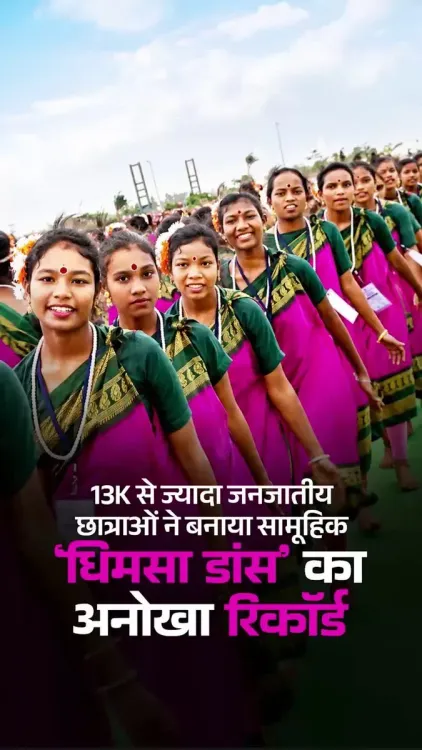
Over 13,000 tribal schoolgirls performed the traditional Dhimsa folk dance to welcome PM Modi in Andhra Pradesh, with Minister Kiren Rijiju calling it a historic record for India's tribal cultural pride under the Ek Bharat Shreshtha Bharat initiative.
Key Takeaways
More than 13,000 tribal schoolgirls performed the Dhimsa folk dance in Andhra Pradesh to welcome PM Narendra Modi on 1 August 2026 .
Union Minister Kiren Rijiju described the event as a 'historic record' for India's tribal cultural heritage.
The Dhimsa is a traditional dance of the Bagata and related tribal communities of the Eastern Ghats region.
The event was framed under the Ek Bharat Shreshtha Bharat scheme, launched in 2015 to promote cultural integration across states.
The claim of a new record has not been independently verified from prior public records.
Andhra Pradesh has a significant Scheduled Tribe population in its Eastern Ghats districts, giving the choice of dance form added political resonance.
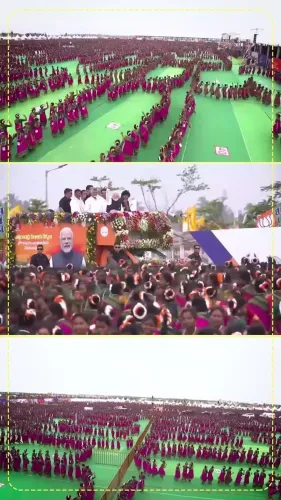
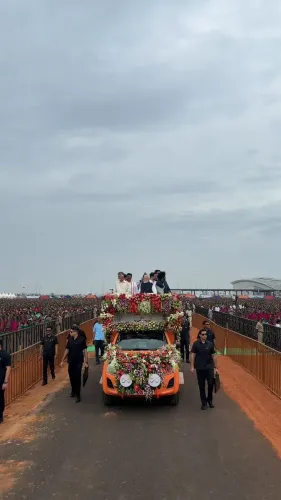
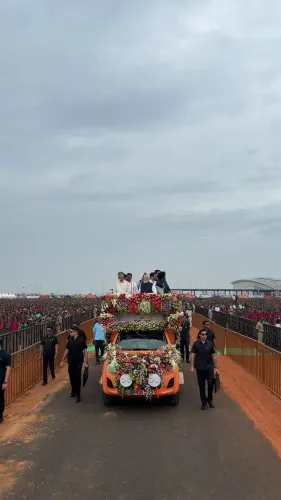
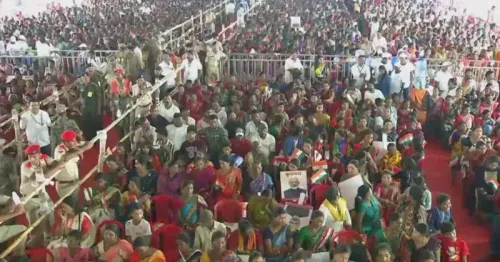
More than 13,000 tribal schoolgirls lined up in Andhra Pradesh on Saturday, 1 August 2026 to perform the traditional Dhimsa folk dance in honour of Prime Minister Narendra Modi — a display that Union Parliamentary Affairs and Minority Affairs Minister Kiren Rijiju called a historic record for India's tribal heritage.
Rijiju posted on X: 'Bharat ke janjatiya gaurav ka aitihasik record!' ('A historic record of India's tribal pride!'), saying the mass performance in Andhra Pradesh created a new benchmark for showcasing the country's rich tribal culture under the banner of #EkBharatShreshthaBharat.
What is Dhimsa — and why it matters here
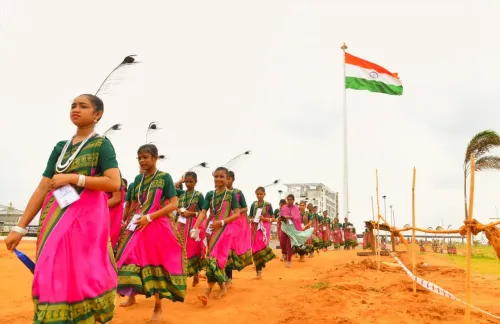
The Dhimsa is a vibrant folk dance rooted in the tribal communities of the Eastern Ghats — particularly among the Bagata and related groups of Andhra Pradesh and parts of Odisha. Performed traditionally at harvest festivals and community celebrations, it is characterised by rhythmic footwork, colourful costumes, and large group formations — making it visually arresting at scale.
Deploying it as a welcome for the Prime Minister places it squarely within a pattern the central government has cultivated: elevating regional tribal art forms as symbols of a unified national identity, not peripheral folk curiosities.
Ek Bharat Shreshtha Bharat — the scheme behind the spectacle
The event carries the hashtag of Ek Bharat Shreshtha Bharat, the cultural-integration initiative launched in 2015 to encourage state-to-state exchanges and mass cultural performances. The scheme has been a recurring vehicle for events of exactly this kind — large, student-led demonstrations of regional heritage during high-visibility official visits.
Andhra Pradesh has a substantial Scheduled Tribe population concentrated in the Eastern Ghats belt, and the choice of a tribal dance form — rather than a classical or mainstream Andhra tradition — signals a deliberate emphasis on that community's visibility during the PM's visit.
Rijiju's tribal advocacy in focus
As Minister of Minority Affairs and a BJP leader from Arunachal Pradesh — itself one of India's most tribally diverse states — Rijiju has consistently positioned tribal cultural preservation as a political and policy priority. His amplification of this event fits a broader ministerial posture: using high-profile moments to assert that tribal identity is central, not incidental, to the national story.
Whether the performance sets an official record — as the post claims — has not been independently verified. But the political signal is unmistakable: at a moment when the Centre is keen to demonstrate inclusive outreach ahead of future electoral cycles, 13,000 girls dancing in formation is a number designed to be remembered.
The question now is whether this cultural spectacle translates into sustained policy attention for Andhra Pradesh's tribal districts — or remains a striking image from a single afternoon.
Point of View
And the optics serve both the Centre's cultural-unity messaging and Andhra Pradesh's political landscape. However, critics of such events often argue that spectacle-driven tribal outreach needs to be matched by measurable progress on land rights, education, and healthcare in Scheduled Tribe regions. The real test is whether the cameras leave the dance floor and turn toward policy outcomes.
NationPress
15 Sept 2026
Frequently Asked Questions
What is the Dhimsa dance performed in Andhra Pradesh?
Dhimsa is a traditional folk dance of tribal communities such as the Bagata in the Eastern Ghats region of Andhra Pradesh and parts of Odisha, performed during festivals and community celebrations with rhythmic footwork and colourful costumes.
Why did 13,000 tribal girls perform Dhimsa for PM Modi?
The mass performance was organised to welcome Prime Minister Narendra Modi during his visit to Andhra Pradesh on 1 August 2026, framed as a celebration of India's tribal cultural heritage under the Ek Bharat Shreshtha Bharat initiative.
What is Ek Bharat Shreshtha Bharat?
Ek Bharat Shreshtha Bharat is a government scheme launched in 2015 to promote cultural exchanges and national integration between Indian states, often featuring large student-led cultural performances during official events.
What did Kiren Rijiju say about the Dhimsa performance?
Union Minister Kiren Rijiju called it a 'historic record of India's tribal pride,' saying the performance by over 13,000 tribal schoolgirls set a new benchmark for showcasing the country's rich tribal culture.
Is the 13,000-participant Dhimsa performance an official world record?
The post claims it is a new record, but this has not been independently verified from prior public records. No official record-certifying body has been cited in connection with the event.