VB–G RAM G Act: 18 Ministries clear convergence plan for July 1 launch
Synopsis
Eighteen Union Ministries have cleared the Draft Convergence Framework for the VB–G RAM G Act, 2025, paving the way for its 1 July launch. With 318 permissible works notified and a 'Single Plan – Multi Funding' model at its core, the scheme is the Centre's most ambitious attempt yet to make Gram Sabha-led planning the engine of rural development.
Key Takeaways
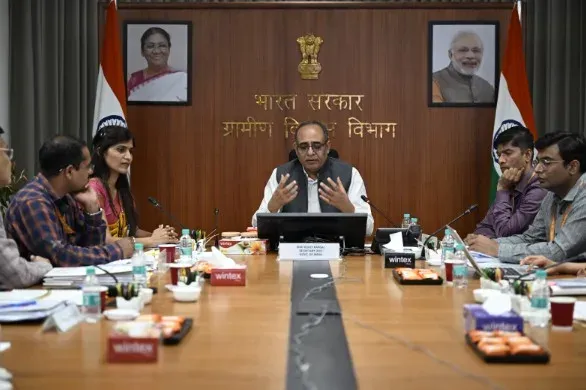
A high-level inter-Ministerial meeting chaired by Rohit Kansal , Union Rural Development Secretary, cleared the Draft Convergence Framework on 24 June .
Representatives from 18 Ministries and Departments participated in the consultation.
The VB–G RAM G Act, 2025 is set to commence on 1 July .
An interim list of 318 permissible works has been notified, covering irrigation, rural connectivity, climate resilience, and more.
The framework is built around the Viksit Gram Panchayat Plan (VGPP) and a 'Single Plan – Multi Funding' convergence model.
The Act organises interventions under four thematic areas : Water Security, Core Rural Infrastructure, Rural Livelihoods, and Extreme Weather Mitigation.
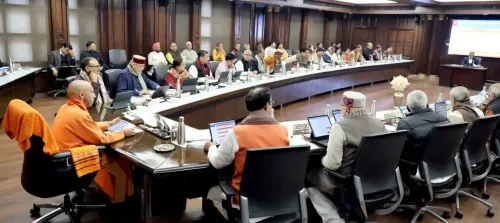
A high-level inter-Ministerial consultation on the Draft Convergence Framework under the Viksit Bharat – Guarantee for Rozgar and Ajeevika Mission (Gramin), or VB–G RAM G Act, 2025, was held in New Delhi on Wednesday, 24 June, chaired by Rohit Kansal, Secretary of the Union Ministry of Rural Development. Representatives and nodal officers from 18 Ministries and Departments of the Union government participated, as the Centre accelerates preparations for the Act's scheduled commencement on 1 July.
What the Convergence Framework Proposes
At the heart of the framework is the Viksit Gram Panchayat Plan (VGPP), the primary planning instrument at the Gram Panchayat level. The VGPP is prepared through community participation and approved by the Gram Sabha, integrating local development needs with resources available under various Central and state schemes.
The framework operationalises a 'Single Plan – Multi Funding' model, enabling different government schemes to work toward common rural development outcomes while retaining their individual mandates and funding structures. This bottom-up architecture ensures that development priorities identified at the Gram Sabha level are aggregated through Panchayati Raj Institutions (PRIs) and aligned with sectoral programmes across Ministries.
318 Permissible Works Notified for July 1 Rollout
To enable the scheme's launch on schedule, the Department of Rural Development has notified an interim list of 318 permissible works spanning natural resource management, irrigation, rural connectivity, community infrastructure, livelihood-supporting assets, climate resilience, and disaster preparedness. Participants at the meeting noted that the breadth of permissible works opens substantial convergence opportunities across sectors and schemes.
The Act organises rural development interventions under four thematic focus areas: Water Security; Core Rural Infrastructure; Rural Livelihoods; and Special Works for Mitigation of Extreme Weather Events.
What the Rural Development Secretary Said
Rohit Kansal emphasised that convergence is a core pillar of the VB–G RAM G Act and is essential for addressing interconnected rural challenges — including water security, livelihoods, infrastructure, climate resilience, and local economic development. He stressed that the 'Single Plan – Multi Funding' approach allows multiple schemes to converge on shared outcomes without dismantling their individual funding structures.
Key Discussions and Next Steps
The meeting covered strengthening technical and financial convergence, identifying schemes suitable for alignment, enhancing digital interoperability, and establishing institutional mechanisms for coordinated implementation and monitoring. Participating Ministries and Departments shared observations and suggestions on the Draft Framework, which the Department of Rural Development presented during the session.
This consultation forms part of a broader preparatory push ahead of the 1 July commencement date. With the framework now reviewed across 18 departments, the focus shifts to finalising implementation guidelines and activating Gram Sabha-level planning processes in time for the rollout.
Point of View
Each with distinct funding mandates and political priorities, can genuinely subordinate their programmes to a Gram Sabha-approved plan, or whether the VGPP becomes yet another planning document that sits above ground-level reality. The 318 permissible works list is broad enough to be useful, but breadth without a robust digital monitoring backbone risks diluting accountability. The 1 July deadline is ambitious; the quality of rollout in the first six months will reveal whether this is a governance shift or a rebranding exercise.
NationPress
23 Sept 2026
Frequently Asked Questions
What is the VB–G RAM G Act, 2025?
The Viksit Bharat – Guarantee for Rozgar and Ajeevika Mission (Gramin) Act, 2025, is a Union government legislation aimed at rural development through a whole-of-government, Panchayati Raj Institution-led planning model. It is scheduled to come into effect on 1 July 2025, with a 'Single Plan – Multi Funding' convergence framework at its core.
What is the Viksit Gram Panchayat Plan (VGPP)?
The VGPP is the primary planning instrument under the VB–G RAM G Act, prepared at the Gram Panchayat level through community participation and approved by the Gram Sabha. It integrates locally identified development needs with resources from Central and state schemes.
What are the 318 permissible works notified under the Act?
The Department of Rural Development has notified an interim list of 318 permissible works covering natural resource management, irrigation, rural connectivity, community infrastructure, livelihood-supporting assets, climate resilience, and disaster preparedness. This list enables the scheme to operationalise from 1 July.
Which Ministries participated in the convergence consultation?
Representatives and nodal officers from 18 Ministries and Departments of the Union government participated in the 24 June consultation, chaired by Rural Development Secretary Rohit Kansal.
What are the four thematic focus areas of the VB–G RAM G Act?
The Act organises rural development interventions under four themes: Water Security, Core Rural Infrastructure, Rural Livelihoods, and Special Works for Mitigation of Extreme Weather Events. These themes guide the convergence of various Central and state schemes.