Pre-Budget talks: 200+ stakeholders urge innovation-led growth
Synopsis
Over 200 voices from 13 sectors gave FM Nirmala Sitharaman a Budget wishlist that goes beyond tax relief. It includes India-specific AI models built for local hardware, a reading movement so every child can read a newspaper by Grade 5, rental housing as an affordability fix, and a push to move rural youth into non-farm jobs.
Key Takeaways
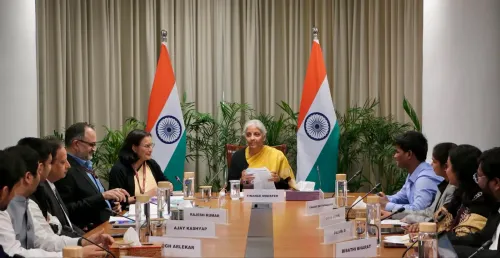
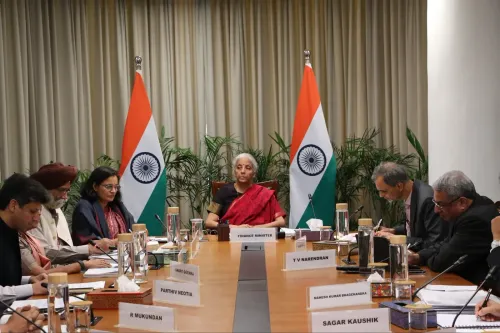
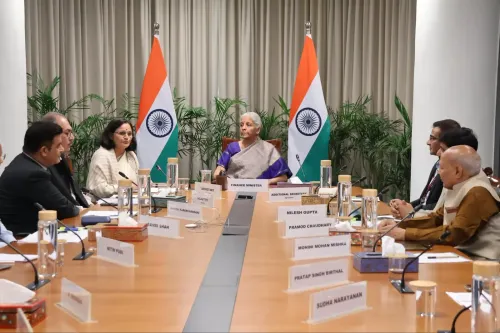
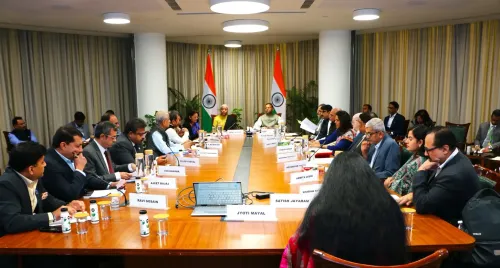
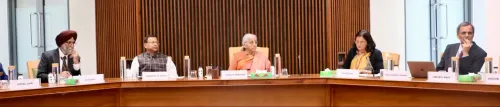
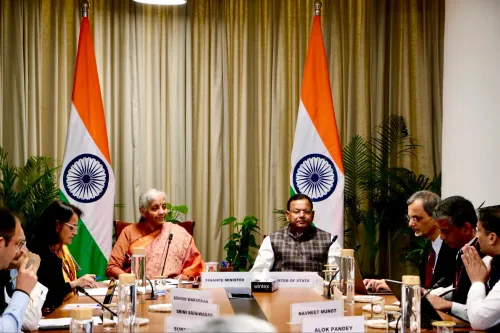
More than 200 stakeholders from 13 sectors joined pre-Budget consultations with FM Nirmala Sitharaman , according to a statement issued on 27 November 2026 .
Chief Economic Adviser Dr.
Anantha Nageswaran and DEA Secretary Anuradha Thakur took part in the discussions.
Proposals included sector-specific AI models optimised for locally available hardware and domestic manufacturing of biofertilisers .
Stakeholders sought a nationwide reading movement so every child can read a newspaper by Grade 5 .
They also urged promotion of rental housing , development of Tier-2 and Tier-3 cities , and support for rural youth moving into non-farm work.
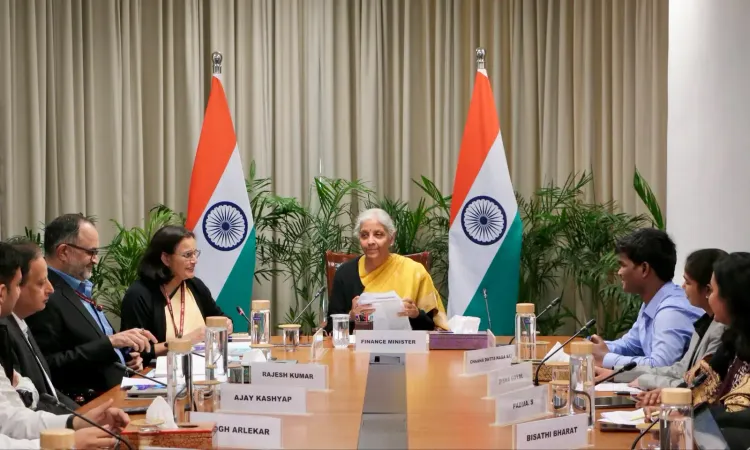
More than 200 stakeholders from 13 sectors and stakeholder groups took part in pre-Budget consultations with Finance Minister Nirmala Sitharaman in New Delhi, according to an official statement issued on 27 November 2026. Their recommendations centred on innovation-led growth, wider employment opportunities, stronger social and economic infrastructure, and a more resilient, future-ready economy.
The suggestions ranged from domestic biofertiliser manufacturing and sector-specific Artificial Intelligence models to a nationwide reading movement for schoolchildren and a push for urban rental housing.
Who Took Part in the Consultations
The participants included industry associations, domain experts, leaders of India Inc, academics, youth representatives and practitioners. They represented a broad cross-section of the economy: Agriculture and Rural Development; Manufacturing; MSMEs and Startups; Capital Markets and Banking, Financial Services and Insurance (BFSI); Information Technology; and Infrastructure, Energy and Sustainability.
Other groups covered Employment and Labour; Housing, Urbanisation and Culture; Health and Social Issues; Research & Development and Higher Education; School Education, Vocational Education, Skilling and Sports; Youth Affairs; and Economics.
According to the statement, Anuradha Thakur, Secretary, Department of Economic Affairs, and Dr. V. Anantha Nageswaran, Chief Economic Adviser, attended the discussions. Senior officials of the Ministry of Finance and Secretaries of the Ministries and Departments concerned also took part.
Key Recommendations on Growth and Technology
Stakeholders stressed the need for reforms that can speed up economic growth while keeping development broad-based and inclusive. The statement said the consultations produced a wide range of forward-looking proposals. These aim to strengthen India's human capital, innovation ecosystem, manufacturing competitiveness, agricultural productivity, housing security and educational outcomes.
Among the key suggestions were measures to promote domestic manufacturing of biofertilisers and advanced biotechnology-based agricultural inputs. Participants also proposed improving India's competitiveness in Artificial Intelligence by developing sector-specific AI models optimised for locally available hardware.
Notably, digital security also came up. Stakeholders proposed programmes to build cyber-hygiene awareness among MSMEs and smaller financial institutions, which often lack the resources of larger players to guard against cyber threats.
Jobs, Education and Housing in Focus
On employment, participants sought targeted interventions to help rural youth and workers move into productive non-farm employment and sustainable enterprises. This comes amid continuing policy attention on reducing dependence on farm income in rural India.
In education, stakeholders recommended a nationwide reading movement so that every child can read and comprehend a newspaper by the end of Grade 5. In housing, they highlighted rental housing as a significant route to expanding affordable housing in urban areas.
Suggestions were also made to speed up the development of Tier-2 and Tier-3 cities. Participants said this would support young Indians as they move from education to employment and entrepreneurship.
What Happens Next
Pre-Budget consultations are an annual exercise in which the Finance Ministry gathers inputs from industry, experts and civil society before drafting the Union Budget. The statement did not say which proposals the government is likely to adopt.
The coming weeks will show how far the Finance Ministry builds these ideas on AI, rural jobs, foundational literacy and urban housing into the next Budget.
Point of View
So the real test is what makes it into the Finance Bill and outlays. Several of these ideas are notable because they target structural gaps, not tax breaks. A Grade 5 newspaper-reading goal admits that foundational literacy remains weak, and the push for rural non-farm jobs reflects how much of India's workforce is still stuck in low-productivity agriculture. If the Budget translates even a few of these into funded, measurable schemes, the exercise will have been more than ritual.
NationPress
27 Nov 2026
Frequently Asked Questions
How many stakeholders took part in the pre-Budget consultations with Nirmala Sitharaman?
More than 200 stakeholders from 13 sectors and stakeholder groups took part, according to an official statement. They included industry associations, domain experts, India Inc leaders, academics and youth representatives.
What were the key recommendations made in the pre-Budget consultations?
Stakeholders proposed domestic manufacturing of biofertilisers, sector-specific AI models optimised for local hardware, cyber-hygiene programmes for MSMEs, and support for rural youth moving into non-farm jobs. They also recommended promoting rental housing and developing Tier-2 and Tier-3 cities.
Which sectors were represented in the consultations?
The 13 groups included agriculture and rural development, manufacturing, MSMEs and startups, capital markets and BFSI, IT, and infrastructure, energy and sustainability. Employment and labour, housing, health, R&D and higher education, school education and skilling, youth affairs, and economics were also represented.
What is the proposed nationwide reading movement?
It is a recommendation to ensure that every child can read and comprehend a newspaper by the end of Grade 5. Stakeholders raised it as part of their suggestions to improve educational outcomes.
Which senior officials attended the pre-Budget consultations?
DEA Secretary Anuradha Thakur and Chief Economic Adviser Dr. V. Anantha Nageswaran attended alongside Finance Minister Nirmala Sitharaman. Senior Finance Ministry officials and Secretaries of the Ministries and Departments concerned also took part.